HEURE 220 SUR 336Rigidité artérielle diminuant
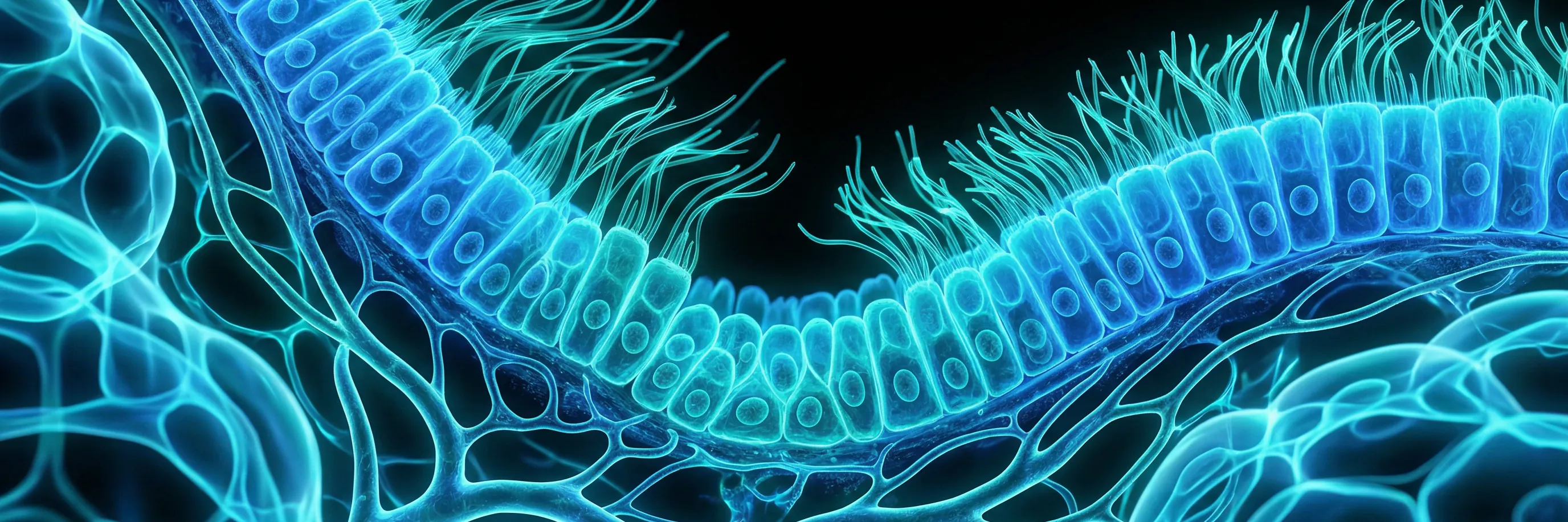
À l'heure 220 d'arrêt du vapotage (jour 10), la nicotine a été complètement éliminée de votre organisme. Rigidité artérielle diminuant : La vitesse d'onde de pouls, une mesure de rigidité artérielle élevée chez les vapoteurs, diminue. Le système cardiovasculaire se répare discrètement pendant le sommeil, contribuant à une vitalité matinale améliorée. Ceci est un stade normal et documenté du sevrage du vapotage.
CE QUI SE PASSE DANS VOTRE CORPS
La vitesse d'onde de pouls, une mesure de rigidité artérielle élevée chez les vapoteurs, diminue. L'amélioration de la compliance artérielle réduit la post-charge cardiaque et la pression systolique, diminuant la charge de travail cardiovasculaire. Pour les vapoteurs en particulier, les formulations de sels de nicotine utilisées dans les appareils modernes délivrent la nicotine plus efficacement que la nicotine base libre des cigarettes, ce qui signifie que vos récepteurs ont été exposés à des concentrations de pointe plus élevées.
En ce moment — « Rigidité artérielle diminuant » — votre corps est complètement libre de nicotine et se concentre sur la récupération neurologique et tissulaire.
Jour 10 : la plupart des anciens vapoteurs rapportent un véritable tournant vers ce moment — la transition entre se sentir mal et se sentir mieux. Les envies sont réduites à 1-2 par jour et plus brèves. La qualité du sommeil s'améliore car la régulation circadienne de votre cerveau se stabilise sans l'interférence de la nicotine. Votre peau peut être visiblement plus saine grâce à une circulation améliorée qui apporte plus d'oxygène et de nutriments au tissu dermique.
CE QUE VOUS RESSENTEZ
Le système cardiovasculaire se répare discrètement pendant le sommeil, contribuant à une vitalité matinale améliorée.
Ces premières heures matinales peuvent être particulièrement difficiles pour les anciens vapoteurs — beaucoup vapotaient dès le réveil, parfois avant même de sortir du lit. L'absence de ce rituel matinal se ressent cruellement en ce moment. Si vous êtes réveillé et en difficulté, sachez que les niveaux de cortisol culminent naturellement entre 6h et 8h, ce qui amplifie les symptômes de sevrage.
Le changement d'identité est particulièrement important pour les anciens vapoteurs. La culture du vapotage comporte une forte composante d'identité sociale — connaissances des appareils, préférences d'arômes, compétitions de vapeur, communautés en ligne. Quitter le vapotage signifie quitter un écosystème social, pas seulement un mode de délivrance de nicotine. C'est là que beaucoup de vapoteurs peinent : la perte n'est pas seulement chimique, elle est culturelle. Mais c'est aussi là où vit la liberté. Vous construisez une identité qui ne dépend pas d'un appareil fonctionnant sur batterie et du cycle de produits d'une entreprise.
QUE FAIRE MAINTENANT
Surveillez votre tension artérielle si vous avez accès à un tensiomètre à domicile et notez la tendance à l'amélioration.
Vous avez dépassé la phase aiguë. L'approche tactique se déplace maintenant de la survie minute par minute vers la construction de schémas durables. Commencez à faire de l'exercice si ce n'est pas déjà fait — même 20 minutes de cardio modéré accélère la récupération des récepteurs de dopamine et procure une amélioration naturelle de l'humeur qui remplace partiellement ce que le vapotage faisait artificiellement.
Commencez à construire votre identité de « non-vapoteur » par petites touches. Remarquez les saveurs des aliments que vous ne pouviez pas goûter avant. Appréciez que vos vêtements ne portent plus cette douceur subtile de l'aérosol de vapoteuse. Comptez l'argent que vous auriez dépensé en pods ou jetables cette semaine.
À QUOI S'ATTENDRE CETTE HEURE
En ces premières heures matinales du jour 10 d'arrêt du vapotage, les symptômes de sevrage sont relativement gérables. Votre corps est complètement libéré de la nicotine — tous les symptômes restants sont une adaptation neurologique, pas un sevrage chimique. La phase du Tournant (Jours 8-10) est quand beaucoup d'anciens vapoteurs remarquent le passage de la souffrance à la récupération. Les symptômes physiques s'atténuent, et les mécanismes de réparation de votre corps fonctionnent à plein régime.
CHANGEMENTS CORPORELS
Niveau de nicotine : 0% — complètement éliminée de votre circulation sanguine. Votre corps a atteint l'élimination complète de la nicotine à l'heure 72.
La régulation négative des récepteurs nicotiniques de l'acétylcholine s'effectue activement dans votre cerveau. La densité de récepteurs développée par l'exposition aux sels de nicotine haute concentration est élaguée vers les niveaux de base des non-vapoteurs.
Votre tissu pulmonaire récupère de l'exposition chronique à l'aérosol de propylène glycol et de glycérine végétale. La réponse inflammatoire déclenchée par le dépôt de particules ultrafines s'apaise, et vos voies respiratoires retrouvent un fonctionnement normal.
SYMPTÔMES COURANTS AUJOURD'HUI
FOIRE AUX QUESTIONS
Est-il normal de se sentir ainsi 220 heures après avoir arrêté de vapoter ?
Oui. À l'heure 220 (jour 10), votre corps est complètement libéré de la nicotine et subit une adaptation neurologique. Les symptômes que vous ressentez — qui sont faibles à ce stade — font partie documentée du sevrage nicotinique et ils passeront.
Quand commence-t-on à se sentir mieux après avoir arrêté de vapoter ?
La plupart des personnes qui arrêtent brutalement le vapotage rapportent un tournant notable entre les jours 8-10. Vous êtes au jour 10 — en plein dans cette fenêtre. Le pire est derrière vous. Les envies deviennent moins fréquentes (typiquement 1-2 par jour au lieu de dizaines), le sommeil s'améliore, et beaucoup rapportent leur premier jour à se sentir vraiment bien. Le calendrier varie selon l'individu, mais la tendance est indéniable maintenant.
Obtenez des conseils heure par heure, des briefings par notifications push, et un accompagnement audio livré sur votre téléphone.