HOUR 168 OF 336Week 1 Complete
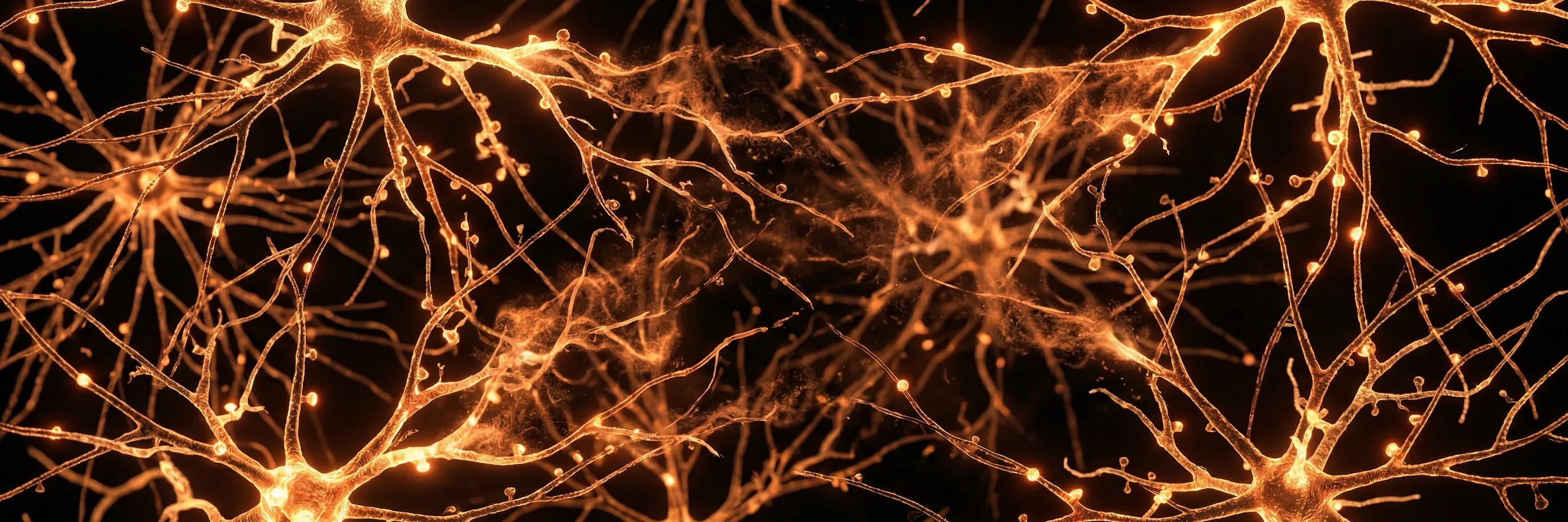
At hour 168 of quitting vaping — one full week — approximately 50% of the surplus nicotinic acetylcholine receptors in your brain have been pruned. Week 1 Complete: Seven full days — 168 hours — without nicotine. Surplus nAChR receptors are being removed; imaging shows this takes 6–12 weeks, most of it still ahead. Reward signalling is still below normal and recovers over weeks. Cravings are usually less frequent now and tied to cues — meals, stress, places. Sleep architecture is normalizing. This is a clinically significant milestone.
WHAT'S HAPPENING IN YOUR BODY
Seven full days — 168 hours — without nicotine. Surplus nAChR receptors are being removed; imaging shows this takes 6–12 weeks, most of it still ahead. Reward signalling is still below normal and recovers over weeks. Cravings are usually less frequent now and tied to cues — meals, stress, places. Sleep architecture is normalizing. This is a clinically significant milestone.
The neurological numbers tell the story: approximately 50% of the surplus nicotinic acetylcholine receptors that vaping built in your brain have been pruned. Receptor downregulation follows a logarithmic curve — fast at first, then gradually slowing — and you've passed the steepest part. Your dopamine synthesis capacity has recovered to 80-85% of its natural baseline, up from the 40-50% nadir during peak withdrawal.
In practical terms: things feel good again. Not amazing — the full recovery takes another week — but the joylessness and flat affect of early withdrawal have lifted. Food tastes better. Music sounds richer. Conversations are more engaging. Your brain's reward circuitry is starting to respond to natural stimuli with appropriate pleasure, rather than the muted, unsatisfying responses of the first few days.
Cravings have dropped from dozens per day (days 1-3) to an average of 3 per day at this point. Each craving is also shorter — lasting 60-90 seconds rather than the 3-5 minute waves of acute withdrawal. The nature of cravings has changed: they're driven by situational triggers and habit associations rather than acute receptor need. You may notice they're tied to specific moments: the morning coffee trigger, the post-meal pause, the evening wind-down. These are habit ghosts, not chemical commands.
Sleep architecture is normalizing. The vivid dreams of days 3-5 (REM rebound) have subsided. You're likely sleeping more deeply and waking less frequently. Circadian regulation, disrupted by nicotine's interaction with melatonin pathways, is re-establishing its natural rhythm.
Respiratory function continues to improve. FEV1 (forced expiratory volume in one second) is measurably better. The chronic micro-inflammation that vaping aerosol maintained in your airways is resolving. The alveolar clearance of ultrafine particles is well underway.
Cardiovascular recovery is tracking well. Heart rate variability — a marker of autonomic nervous system health — is increasing. Arterial stiffness is decreasing. Platelet aggregation (stickiness) has normalized, reducing clot risk. Your circulatory system is measurably healthier than it was one week ago.
This milestone is clinically significant for one reason beyond the physiology: the data shows that people who reach 7 days of cold turkey cessation have dramatically higher long-term success rates. You have crossed a threshold that most quitters don't reach. The statistics are now in your favor.
HOW YOU'RE FEELING
One week of quitting vaping produces a psychological shift that most people describe as the moment they start to believe it's actually possible. The first 72 hours felt like survival. Days 4-7 felt like endurance. But something changes around day 7 — a quiet, steady sense that the grip is loosening.
The psychological work of week one has been enormous. You've navigated every trigger in your weekly routine at least once without vaping: every morning, every meal, every work break, every evening, every social situation that would normally involve your device. Each trigger fired and each time you didn't respond with nicotine, the association weakened slightly.
The identity shift is solidifying. You've had an entire week of being a person who doesn't vape. The initial dissonance ("But I am a vaper") is fading into a new default. This isn't automatic — it requires active reinforcement. When someone asks about vaping, when you see someone hitting a vape, when an ad appears in your feed — each moment is an opportunity to strengthen the identity: "I don't vape."
Vaping culture may still pull at you. The device knowledge, the flavor preferences, the communities — these were part of your social identity. Releasing them isn't the same as losing them. It's graduating from them. You can know about pod systems without using one, the same way a recovered alcoholic can know about wine without drinking it.
The biggest psychological risk at day 7 is overconfidence. You feel better. Cravings are manageable. Sleep is improving. The temptation is to think "I've beaten this" and lower your guard. You haven't beaten it — you're beating it, present tense: the acute phase takes the full 14 days, and your receptors keep settling for weeks after. Stay focused for one more week.
WHAT TO DO RIGHT NOW
Celebrate this milestone — genuinely, not perfunctorily. Seven days of cold turkey vaping cessation is a real achievement. Share it with your accountability person. Record a voice memo to your future self describing how you feel. Write down three specific things that are better now than seven days ago (taste, breathing, sleep quality, steadier mood — pick three that are personally meaningful).
Your tactical focus this week shifts from crisis management to habit reconstruction. The acute withdrawal tools (breathing exercises, cold exposure, 90-second craving surfing) are still available but needed less frequently. What matters now is building the daily patterns that will sustain you through days 8-14 and beyond.
Exercise becomes your primary recovery accelerator. If you haven't established a daily movement habit, start now. Thirty minutes of moderate cardio daily accelerates dopamine receptor recovery measurably. It also occupies the time slots that vaping filled and provides natural mood enhancement.
Digital environment maintenance: your social media algorithms should be partially retrained by now, but check — are you still seeing vaping content? If so, spend 5 minutes reporting/hiding/blocking. The algorithm learns fast. By the end of week two, your feeds should be largely vape-free.
Body awareness: take stock of the week in physical terms. Resting heart rate closer to baseline, sleep consolidating, the morning throat scratch gone, taste sharper. Write the changes down somewhere visible — that record is what you will reread on a hard day.
Your next milestone is day 10 (hour 240) — the turning point where most people report feeling genuinely good, not just "less bad." Then day 14 (hour 336) — sprint complete, acute withdrawal over. One week to go.
WHAT TO EXPECT THIS HOUR
As the evening progresses on day 7 of quitting vaping, withdrawal symptoms are a milestone moment in your recovery. Your body is completely free of nicotine — all remaining symptoms are neurological adaptation, not chemical withdrawal. You're in the Peak Withdrawal phase (Days 4-7). Nicotine is long gone — what you're experiencing now is your brain's receptor system recalibrating to function without the constant flood of nicotine salts.
BODY CHANGES
Nicotine level: 0% — completely cleared from your bloodstream. Your body achieved full nicotine clearance at hour 72.
Nicotinic acetylcholine receptor downregulation is actively occurring in your brain. The receptor density built up from high-concentration nicotine salt exposure is being pruned back toward non-vaper baseline.
COMMON SYMPTOMS TODAY
FREQUENTLY ASKED QUESTIONS
Is it normal to feel this way 168 hours after quitting vaping?
Yes. At hour 168 (day 7), your body is completely free of nicotine and undergoing neurological adaptation. The symptoms you're experiencing — which are milestone at this stage — are a documented part of nicotine withdrawal and they will pass.
Why do I still feel bad on day 7 if nicotine is already out of my body?
Nicotine cleared your body around hour 72, but your brain is still recalibrating. Vaping caused your brain to grow extra nicotinic acetylcholine receptors to handle the constant nicotine supply. Now that supply is gone, those surplus receptors are being pruned — a process called downregulation. This takes days to weeks. What you're feeling isn't chemical withdrawal anymore; it's your brain physically rewiring itself. It's progress, even though it doesn't feel like it.
What's the significance of reaching 168 hours (day 7) without vaping?
Hour 168 is a major milestone. Week 1 Complete. Seven full days — 168 hours — without nicotine. Approximately 50% of surplus nAChR receptors have been pruned. Each milestone you reach increases your odds of staying quit — the data shows that people who reach day 7 are significantly more likely to stay quit long-term.
Get hour-by-hour guidance, push notification briefings, and audio coaching delivered to your phone.

