HOUR 153 OF 336Craving Frequency, Day 7
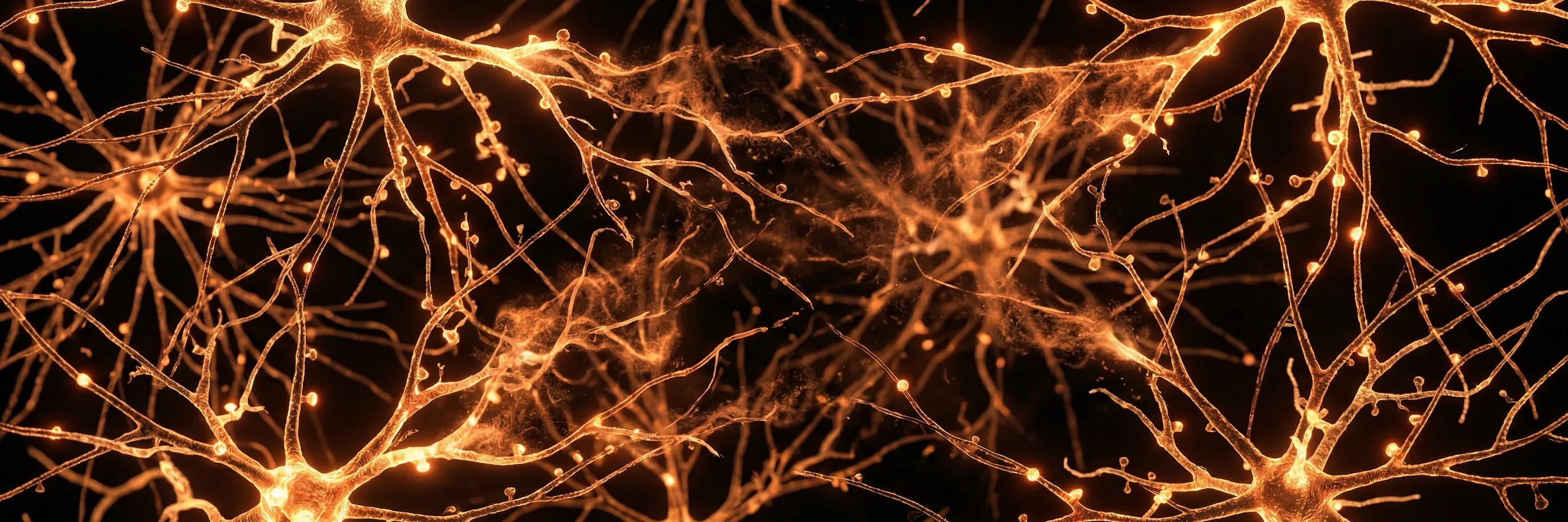
At hour 153 of quitting vaping (day 7), nicotine has been completely cleared from your body. Craving Frequency, Day 7: Cravings are usually less frequent now and tied to cues — meals, stress, places. Each episode tends to be shorter (2-3 minutes) and lower in peak intensity. The insula, which generates interoceptive awareness of craving states, is being modulated more effectively by prefrontal inhibitory control. Cravings feel like distant echoes rather than urgent demands — recognizable but no longer controlling. This is a normal and documented stage of vaping withdrawal.
WHAT'S HAPPENING IN YOUR BODY
Cravings are usually less frequent now and tied to cues — meals, stress, places. Each episode tends to be shorter (2-3 minutes) and lower in peak intensity. The insula, which generates interoceptive awareness of craving states, is being modulated more effectively by prefrontal inhibitory control.
At this moment — "Craving Frequency, Day 7" — your body is completely nicotine-free and focused on neurological and tissue recovery.
Day 7: you're approaching the halfway mark of neurological rewiring. Cravings are becoming less frequent — likely 3 or fewer per day, down from dozens in the first 72 hours. Each craving is also shorter in duration. Your lungs' inflammatory markers are decreasing measurably as the chronic aerosol exposure recedes further into the past.
Pay attention to your cravings today, because they've changed in a way that matters. You're probably down to about three a day. Each one lasts maybe two to three minutes. And here's the most important part — they feel different.
HOW YOU'RE FEELING
Cravings feel like distant echoes rather than urgent demands — recognizable but no longer controlling.
Mid-morning is when many former vapers feel the pull most strongly — this was prime vaping time during commutes, at desks, between meetings. The habitual pattern of reaching for your device during idle moments is deeply wired. Keep your hands occupied and your environment different from your vaping routine.
This phase is uniquely challenging for former vapers because of how integrated vaping becomes in daily life. Unlike cigarettes, which required stepping outside or finding a designated area, vapes could be used anywhere — bathroom breaks, car rides, under the desk, in bed before sleep. The trigger map for vapers is therefore much wider: almost every environment was a vaping environment. Social media compounds this: TikTok, Instagram, and YouTube algorithms may still be serving you vaping content, cloud-chasing videos, or new device reviews. Each one is a trigger. Consider this a good time to reset your algorithm by engaging with different content.
WHAT TO DO RIGHT NOW
Begin identifying which of today's cravings are genuine nicotine urges versus habitual behavioral patterns — distinguishing the two is critical for long-term maintenance.
Remove all vape devices, chargers, pods, and e-liquid from your home and car. Don't keep "just one" as backup.
Digital hygiene is critical this week. Your social media algorithm doesn't know you quit — it will keep serving vaping content until you retrain it. Spend 10 minutes today: unfollow vape brands and influencers, report vape ads as "not interested," and search for fitness, cooking, or hobby content to redirect the algorithm. This isn't avoidance — it's strategic environment design.
If you have friends who vape, you don't need to avoid them — but you need a script. "I quit vaping" invites follow-up questions and potential pressure. "I don't vape" shuts the conversation down cleanly. Practice it. Say it out loud before you need it.
WHAT TO EXPECT THIS HOUR
During this morning stretch on day 7 of quitting vaping, withdrawal symptoms are relatively manageable. Your body is completely free of nicotine — all remaining symptoms are neurological adaptation, not chemical withdrawal. You're in the Peak Withdrawal phase (Days 4-7). Nicotine is long gone — what you're experiencing now is your brain's receptor system recalibrating to function without the constant flood of nicotine salts.
BODY CHANGES
Nicotine level: 0% — completely cleared from your bloodstream. Your body achieved full nicotine clearance at hour 72.
Nicotinic acetylcholine receptor downregulation is actively occurring in your brain. The receptor density built up from high-concentration nicotine salt exposure is being pruned back toward non-vaper baseline.
COMMON SYMPTOMS TODAY
FREQUENTLY ASKED QUESTIONS
Is it normal to feel this way 153 hours after quitting vaping?
Yes. At hour 153 (day 7), your body is completely free of nicotine and undergoing neurological adaptation. The symptoms you're experiencing — which are low at this stage — are a documented part of nicotine withdrawal and they will pass.
Why do I still feel bad on day 7 if nicotine is already out of my body?
Nicotine cleared your body around hour 72, but your brain is still recalibrating. Vaping caused your brain to grow extra nicotinic acetylcholine receptors to handle the constant nicotine supply. Now that supply is gone, those surplus receptors are being pruned — a process called downregulation. This takes days to weeks. What you're feeling isn't chemical withdrawal anymore; it's your brain physically rewiring itself. It's progress, even though it doesn't feel like it.
Get hour-by-hour guidance, push notification briefings, and audio coaching delivered to your phone.

