HOUR 120 OF 336Day 5 Complete
At hour 120 of quitting vaping (day 5), nicotine has been completely cleared from your body. Day 5 Complete: Five full days nicotine-free. Surplus nAChR receptors are being removed; imaging shows this takes 6–12 weeks, most of it still ahead. Dopamine synthesis is beginning to recover. Cravings are usually less frequent now and tied to cues — meals, stress, places. The hardest neurochemical phase is behind you. Growing confidence tempered by awareness of vulnerability — a realistic but strengthening resolve. This is a normal and documented stage of vaping withdrawal.
WHAT'S HAPPENING IN YOUR BODY
Five full days nicotine-free. Surplus nAChR receptors are being removed; imaging shows this takes 6–12 weeks, most of it still ahead. Dopamine synthesis is beginning to recover. Cravings are usually less frequent now and tied to cues — meals, stress, places. The hardest neurochemical phase is behind you.
At this moment — "Day 5 Complete" — your body is completely nicotine-free and focused on neurological and tissue recovery.
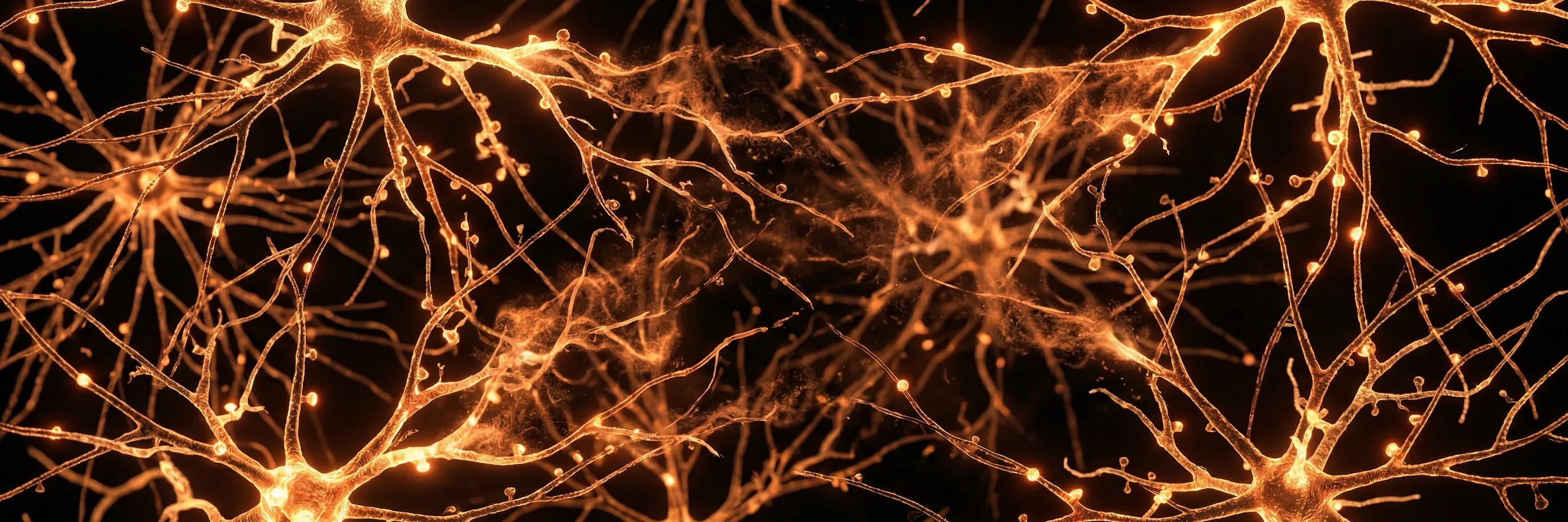
Day 5: approximately 36% of your surplus nAChR receptors have been pruned. The rate of downregulation follows a logarithmic curve — faster at first, then gradually slowing. Your prefrontal cortex, which relied on nicotine for artificial cognitive enhancement, is rebuilding its own acetylcholine production pathways. Concentration should start improving soon.
Your brain has now pruned an estimated thirty to forty percent of surplus nicotine receptors. Your dopamine system is recovering — it's not back to normal yet, but the machinery is spinning up. Things that felt flat a few days ago — music, food, a good conversation — might be starting to have a little more color to them. That's your natural reward system coming back online.
HOW YOU'RE FEELING
Growing confidence tempered by awareness of vulnerability — a realistic but strengthening resolve.
Evening is psychologically complex for former vapers. This was often the heaviest usage period — unwinding after the day, watching TV, scrolling social media, all with a vape in hand. The association between relaxation and vaping is particularly strong. Try to change your evening environment: sit in a different spot, watch something new, keep your hands busy with a hobby.
This phase is uniquely challenging for former vapers because of how integrated vaping becomes in daily life. Unlike cigarettes, which required stepping outside or finding a designated area, vapes could be used anywhere — bathroom breaks, car rides, under the desk, in bed before sleep. The trigger map for vapers is therefore much wider: almost every environment was a vaping environment. Social media compounds this: TikTok, Instagram, and YouTube algorithms may still be serving you vaping content, cloud-chasing videos, or new device reviews. Each one is a trigger. Consider this a good time to reset your algorithm by engaging with different content.
WHAT TO DO RIGHT NOW
Reward yourself with a non-food, non-substance treat you have been wanting — a book, a movie, a long bath — to reinforce the brain's association between abstinence and reward.
Remove all vape devices, chargers, pods, and e-liquid from your home and car. Don't keep "just one" as backup.
Digital hygiene is critical this week. Your social media algorithm doesn't know you quit — it will keep serving vaping content until you retrain it. Spend 10 minutes today: unfollow vape brands and influencers, report vape ads as "not interested," and search for fitness, cooking, or hobby content to redirect the algorithm. This isn't avoidance — it's strategic environment design.
If you have friends who vape, you don't need to avoid them — but you need a script. "I quit vaping" invites follow-up questions and potential pressure. "I don't vape" shuts the conversation down cleanly. Practice it. Say it out loud before you need it.
WHAT TO EXPECT THIS HOUR
As the evening progresses on day 5 of quitting vaping, withdrawal symptoms are a milestone moment in your recovery. Your body is completely free of nicotine — all remaining symptoms are neurological adaptation, not chemical withdrawal. You're in the Peak Withdrawal phase (Days 4-7). Nicotine is long gone — what you're experiencing now is your brain's receptor system recalibrating to function without the constant flood of nicotine salts.
BODY CHANGES
Nicotine level: 0% — completely cleared from your bloodstream. Your body achieved full nicotine clearance at hour 72.
Nicotinic acetylcholine receptor downregulation is actively occurring in your brain. The receptor density built up from high-concentration nicotine salt exposure is being pruned back toward non-vaper baseline.
COMMON SYMPTOMS TODAY
FREQUENTLY ASKED QUESTIONS
Is it normal to feel this way 120 hours after quitting vaping?
Yes. At hour 120 (day 5), your body is completely free of nicotine and undergoing neurological adaptation. The symptoms you're experiencing — which are milestone at this stage — are a documented part of nicotine withdrawal and they will pass.
Why do I still feel bad on day 5 if nicotine is already out of my body?
Nicotine cleared your body around hour 72, but your brain is still recalibrating. Vaping caused your brain to grow extra nicotinic acetylcholine receptors to handle the constant nicotine supply. Now that supply is gone, those surplus receptors are being pruned — a process called downregulation. This takes days to weeks. What you're feeling isn't chemical withdrawal anymore; it's your brain physically rewiring itself. It's progress, even though it doesn't feel like it.
What's the significance of reaching 120 hours (day 5) without vaping?
Hour 120 is a major milestone. Day 5 Complete. Five full days nicotine-free. The brain has pruned an estimated 30-40% of surplus nAChR receptors. Each milestone you reach increases your odds of staying quit — the data shows that people who reach day 5 are significantly more likely to stay quit long-term.
Get hour-by-hour guidance, push notification briefings, and audio coaching delivered to your phone.

