JAM 36 DARI 336Eskalator Mukosiliari Mengaktif
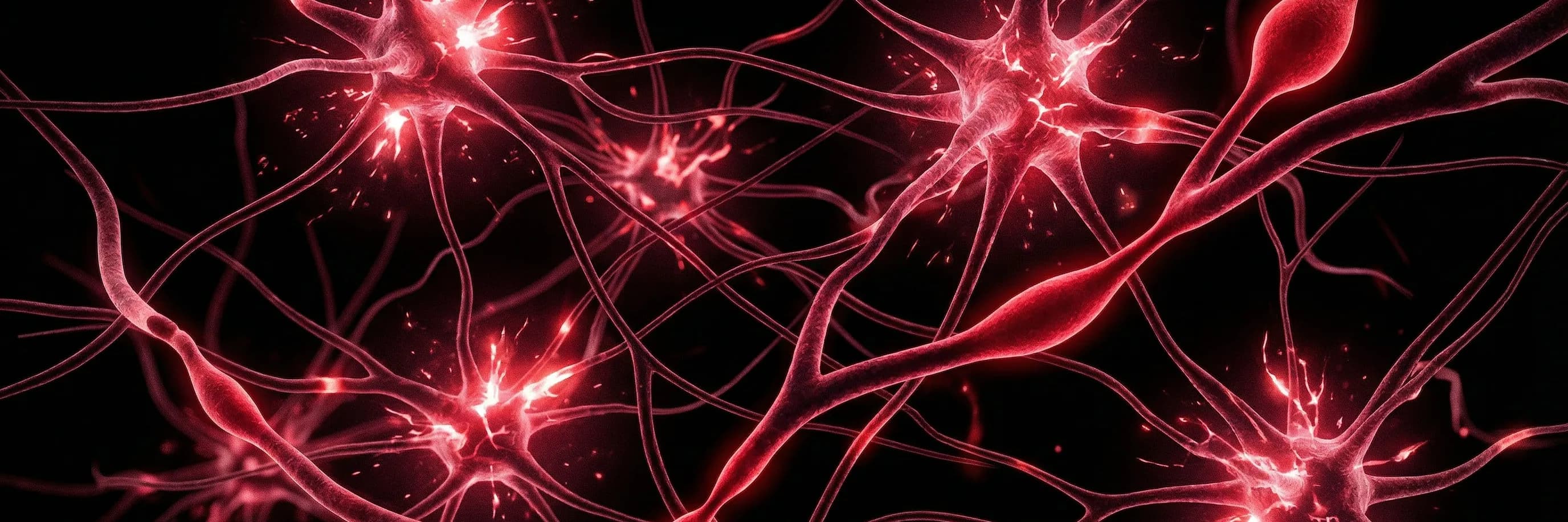
Pada jam ke-36 berhenti merokok (hari ke-2), nikotin telah sepenuhnya dibersihkan dari tubuh Anda. Eskalator Mukosiliari Mengaktif: Eskalator mukosiliari sekarang aktif secara fungsional. Batuk produktif yang berkembang dapat terasa mengecewakan, tetapi menandakan penyembuhan paru yang sesungguhnya. Ini adalah tahap normal dan terdokumentasi dari sindrom putus nikotin.
APA YANG TERJADI DALAM TUBUH ANDA
Eskalator mukosiliari sekarang aktif secara fungsional. Silia bergetar dengan koordinasi yang meningkat untuk mengangkut partikulat yang terperangkap dan deposit tar yang terakumulasi ke atas menuju faring untuk ekspektorasi. Asap rokok mengandung lebih dari 7.000 bahan kimia — nikotin yang membuat Anda kecanduan, tetapi produk sampingan pembakaran (tar, karbon monoksida, formaldehida, benzena) yang menyebabkan kerusakan fisik paling besar. Saat nikotin dibersihkan, paparan konstan terhadap racun-racun ini juga hilang.
Pada saat ini — "Eskalator Mukosiliari Mengaktif" — tubuh Anda sepenuhnya bebas nikotin dan fokus pada pemulihan neurologis dan jaringan.
Aliran darah Anda sekarang bebas nikotin — kondisi yang belum terjadi sejak Anda menjadi perokok reguler. Untuk seseorang yang merokok satu bungkus sehari, itu sekitar 200 dosis nikotin per hari, 7.300 per tahun, masing-masing memperkuat jalur saraf kecanduan. Semua input itu telah berhenti. Mekanisme perbaikan tubuh Anda, yang terus-menerus melawan kerusakan baru saat Anda merokok, sekarang dapat sepenuhnya fokus pada penyembuhan. Lebih dari 7.000 bahan kimia — karsinogen seperti benzena, formaldehida, dan akrolein — tidak lagi dikirim.
Anda memasuki jendela tersulit dari seluruh sprint ini. Antara sekarang dan jam empat puluh delapan adalah ketika putus obat fisik mencapai puncak bagi kebanyakan orang. Reseptor nikotin otak Anda berada pada keputusasaan maksimum — mereka telah kosong cukup lama untuk mulai mengirim sinyal distres pada volume penuh. Anda mungkin merasakan iritabilitas yang intens.
APA YANG ANDA RASAKAN
Batuk produktif yang berkembang dapat terasa mengecewakan, tetapi menandakan penyembuhan paru yang sesungguhnya.
Jam-jam pagi membawa beban pemicu yang berat bagi perokok — perjalanan kerja, istirahat kerja, kopi pertengahan pagi. Masing-masing adalah ritual merokok. Hari ini, setiap ritual yang Anda lalui tanpa rokok melemahkan asosiasi tersebut. Tidak terasa seperti kemajuan, tetapi memang begitu.
Merokok memiliki ritual bawaan — bungkus rokok, korek api, rokok pertama dengan kopi pagi, rokok setelah makan — masing-masing adalah pemicu yang terhubung ke rutina harian Anda. Puluhan tahun penelitian merokok menunjukkan bahwa elemen ritual — bungkus di saku Anda, korek api di tangan Anda, tarikan napas pertama di pagi hari — menciptakan ketergantungan psikologis yang berjalan paralel dan independen dari kecanduan nikotin. Anda sedang melawan keduanya secara bersamaan sekarang, dan itulah yang membuat 72 jam pertama sangat intens.
Jika Anda telah merokok selama bertahun-tahun atau puluhan tahun, tubuh Anda telah mengakumulasi kerusakan yang mulai membalik pada saat Anda berhenti. Setiap jam tanpa rokok adalah kemajuan yang terukur. Setiap jam Anda tidak menyalakan rokok, otak Anda merekam titik data baru: "Saya selamat dari pemicu ini tanpa rokok." Seiring waktu, titik-titik data ini terakumulasi menjadi default baru. Tetapi sekarang, default lama masih keras.
APA YANG HARUS DILAKUKAN SEKARANG
Lakukan 5 menit pernapasan diafragma terkontrol diikuti dengan 2-3 batuk paksa yang disengaja untuk membantu pembersihan mukosiliari dari puing-puing yang terperangkap.
Olahraga adalah intervensi keinginan terbaik. Bahkan 5 menit jalan cepat mengurangi intensitas keinginan sebesar 25-40% (diukur dalam studi klinis). Ini bekerja karena olahraga memicu pelepasan endorfin yang sebagian mengkompensasi defisit dopamin yang ditinggalkan oleh sindrom putus nikotin.
Hubungi orang pendukung Anda. Jika Anda memberitahu seseorang bahwa Anda berhenti, sekarang adalah saat investasi itu terbayar. Bahkan percakapan 2 menit menciptakan pengalihan kognitif yang cukup untuk melampaui keinginan, yang memuncak dan memudar dalam 60-90 detik.
APA YANG DIHARAPKAN JAM INI
Selama rentang pagi pada hari ke-2 berhenti merokok, gejala putus obat pada intensitas puncak — ini sesusah yang bisa didapat. Tubuh Anda sepenuhnya bebas nikotin — semua gejala yang tersisa adalah adaptasi neurologis, bukan putus obat kimiawi. Selama fase Putus Obat Akut (Hari 1-3), tubuh Anda fokus membersihkan nikotin dan metabolitnya. Nikotin dari rokok sedang dipecah dan dieliminasi. Setiap jam membawa kemajuan yang terukur.
PERUBAHAN TUBUH
Kadar nikotin: 0% — sepenuhnya dibersihkan dari aliran darah Anda. Tubuh Anda mencapai pembersihan nikotin penuh pada jam ke-72.
GEJALA UMUM HARI INI
PERTANYAAN YANG SERING DIAJUKAN
Apakah normal merasakan ini 36 jam setelah berhenti merokok?
Ya. Pada jam ke-36 (hari ke-2), tubuh Anda sepenuhnya bebas nikotin dan mengalami adaptasi neurologis. Gejala yang Anda alami — yang berada pada intensitas puncaknya sekarang — adalah bagian terdokumentasi dari sindrom putus nikotin dan akan berlalu.
Berapa banyak nikotin yang tersisa dalam tubuh saya setelah 36 jam?
Setelah 36 jam tanpa merokok, sekitar 0,0% nikotin tersisa dalam aliran darah Anda. Tubuh Anda sekarang 100% bebas nikotin. Semua gejala yang tersisa bersifat neurologis, bukan kimiawi.
Dapatkan panduan jam demi jam, briefing notifikasi push, dan pelatihan audio langsung ke ponsel Anda.