ГОДИНА 281 З 336Гіпокампальний нейрогенез
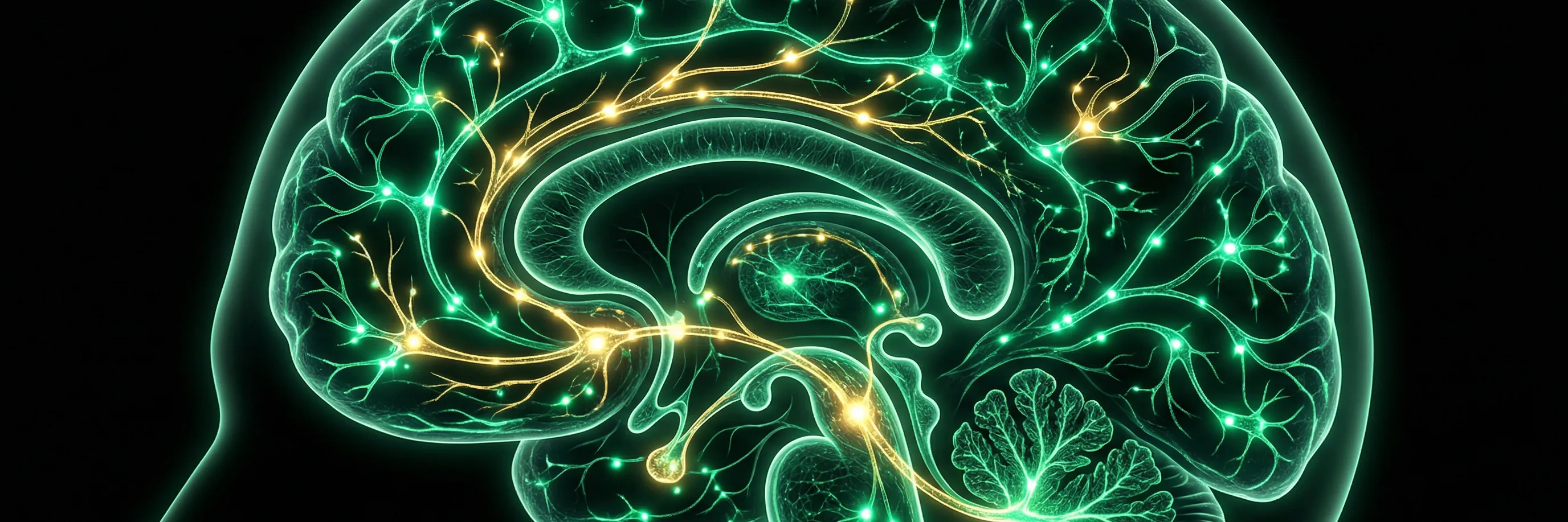
На 281-й годині кидання куріння (день 12) нікотин повністю виведено з вашого організму. Нові нейрони в зубчастій звивині підтримують консолідацію пам'яті та емоційну регуляцію. Формування та відтворення пам'яті посилюється — спогади кодуються більш насичено без втручання нікотину. Це нормальна та документована стадія нікотинової відміни.
ЩО ВІДБУВАЄТЬСЯ У ВАШОМУ ОРГАНІЗМІ
Гіпокампальний нейрогенез, пригнічений під час хронічного вживання нікотину, відновлюється. Нові нейрони в зубчастій звивині підтримують консолідацію пам'яті та емоційну регуляцію. Сигаретний дим містить понад 7000 хімічних речовин — нікотин викликає залежність, але продукти згоряння (смола, чадний газ, формальдегід, бензен) завдають найбільшої фізичної шкоди. Коли нікотин виводиться, припиняється постійний вплив цих токсинів.
Зараз — «Гіпокампальний нейрогенез» — ваш організм повністю вільний від нікотину і зосереджений на неврологічному відновленні та регенерації тканин.
День 12: ваша імунна система функціонує на повну потужність вперше з моменту початку куріння. Кількість лейкоцитів нормалізувалася. Мукоциліарна система очищення ваших легенів працює ефективно, виводячи накопичені роками відкладення. Механізми відновлення ДНК вашого організму усунули більшість оксидативних пошкоджень від канцерогенів сигарет. Ризик раку вже знижується.
ЯК ВИ СЕБЕ ПОЧУВАЄТЕ
Формування та відтворення пам'яті посилюється — спогади кодуються більш насичено без втручання нікотину.
Післязаобідній час часто був періодом «винагороджувальної сигарети» для курців — перекур після обіду, перерва в робочому дні, момент розслаблення. Потяг, який ви відчуваете, — це не голод чи нудьга; це ваша система винагороди просить свій запланований стимул. Дайте їй щось інше: прогулянку, розмову, фрукт.
Нейронні шляхи, які колись спонукали вас запалити сигарету, згасають. Ранкова кава-тригер, потяг після їжі, реакція на стрес — всі вони перезаписуються новими моделями. Роки куріння створили глибокі борозни в вашому мозку, але чотирнадцять днів стабільного некуріння встановили конкуруючі шляхи, які стають сильнішими з кожним днем. У вас все ще можуть бути епізодичні думки про куріння, але зверніть увагу, як вони змінилися: вони тихіші, менш наполегливі, більше схожі на спогади, ніж на команди. Ось різниця між потягом і думкою.
ЩО РОБИТИ ПРЯМО ЗАРАЗ
Вивчіть сьогодні щось нове, навіть коротко — ваш гіпокамп налаштований на кодування і краще утримає інформацію.
Захист від майбутніх ризиків для курців: Топ-тригери рецидиву для колишніх курців у перші 1-3 місяці: (1) вживання алкоголю, особливо в соціальних умовах, де інші курять, (2) серйозний життєвий стрес (втрата роботи, конфлікт у стосунках, втрата), (3) ностальгічні думки («я справді насолоджувався курінням» — ваш мозок романтизує залежність). Майте план для кожного випадку. SOS-функція застосунку 336 надає 60-секундну дихальну вправу для екстрених випадків з потягом.
Відстеження віх: Поставте 30 днів як наступну ціль. Через 30 днів без куріння ваші легені досягнуть значного прогресу в очищенні від смолистих відкладень. Через 90 днів ваш кровообіг помітно поліпшиться. Через 1 рік ваш додатковий ризик коронарної хвороби серця зменшиться вдвічі порівняно з нинішнім курцем.
ЧОГ ОЧІКУВАТИ ЦЮ ГОДИНУ
Цього пополудня на 12-й день кидання куріння симптоми відміни відносно керовані. Ваш організм повністю вільний від нікотину — всі симптоми, що залишилися, є неврологічною адаптацією, а не хімічною відміною. Ви досягли фази Нового базового рівня (дні 11-14). Ваш мозок і тіло встановлюють свою нову норму без куріння. Фізіологічна залежність подолана — залишається будувати звички та ідентичність вашого життя без куріння.
ЗМІНИ В ОРГАНІЗМІ
Рівень нікотину: 0% — повністю виведено з кровотоку. Ваш організм досяг повного очищення від нікотину на 72-й годині.
Ваші легеневі війки — крихітні волосоподібні структури, які були паралізовані сигаретним димом — регенерують і починають виводити накопичені смолу та сміття з ваших дихальних шляхів. Ось чому ви можете більше кашляти: це ознака одужання, а не пошкодження.
ПОШИРЕНІ ЗАПИТАННЯ
Чи нормально так почуватися через 281 годину після кидання куріння?
Так. На 281-й годині (день 12) ваш організм повністю вільний від нікотину і проходить неврологічну адаптацію. Симптоми, які ви відчуваете — вони слабкі на цій стадії — є документованою частиною нікотинової відміни і пройдуть.
Чи захищений я від рецидиву після 12 днів без куріння?
Після 12 днів ваша фізіологічна залежність значною мірою подолана — щільність рецепторів мозку наближається до базового рівня некурця. Але ризик рецидиву не падає до нуля. Найризиковіші моменти в наступному місяці — вживання алкоголю, екстремальний стрес і ностальгія за ритуалом. Ваш захист: ідентичність. Ви не «людина, яка кинула курити» — ви «людина, яка не курить».
Отримайте покроковий посібник, сповіщення з брифінгами та аудіо-коучинг безпосередньо на ваш телефон.