GIỜ 276 TRONG TỔNG SỐ 336Sản Xuất Surfactant Bình Thường
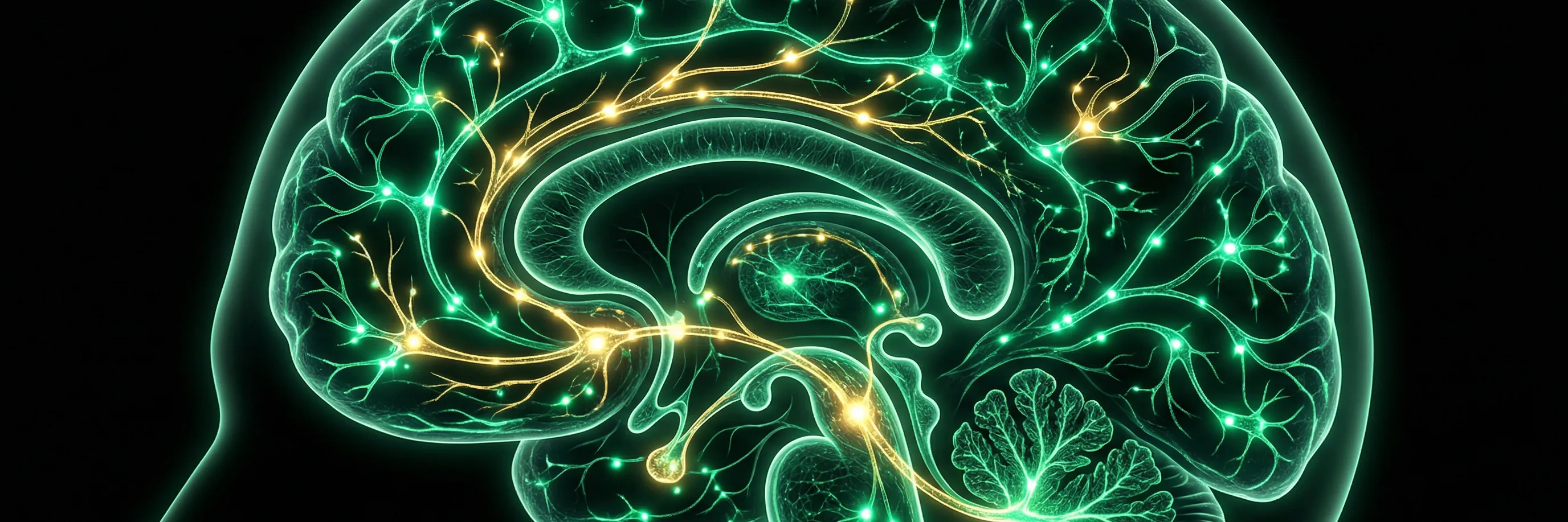
Tại giờ 276 kể từ khi bỏ thuốc lá (ngày 12), nicotine đã được thải hoàn toàn khỏi cơ thể bạn. Sản Xuất Surfactant Bình Thường: Các tế bào pneumocyte loại II đang sản xuất surfactant phổi với tốc độ bình thường. Mỗi hơi thở có hiệu quả cơ học hơn — phổi đang hoạt động gần hơn với thông số thiết kế của chúng. Đây là giai đoạn bình thường và được ghi nhận trong quá trình cai thuốc lá.
ĐIỀU GÌ ĐANG DIỄN RA TRONG CƠ THỂ BẠN
Các tế bào pneumocyte loại II đang sản xuất surfactant phổi với tốc độ bình thường. Chất quan trọng này làm giảm căng thẳng bề mặt trong phế nang, cải thiện độ tuân thủ của phổi và ngăn ngừa xẹp phế nang. Khói thuốc lá chứa hơn 7.000 hóa chất — nicotine là thứ gây nghiện, nhưng các sản phẩm cháy (nhựa đường, carbon monoxide, formaldehyde, benzene) mới là nguyên nhân gây tổn thương thể chất nhiều nhất. Khi nicotine được thải sạch, việc tiếp xúc liên tục với các độc tố này cũng chấm dứt.
Tại thời điểm này — "Sản Xuất Surfactant Bình Thường" — cơ thể bạn hoàn toàn không còn nicotine và tập trung vào việc phục hồi thần kinh và mô.
Ngày 12: hệ miễn dịch của bạn đang hoạt động với đầy đủ khả năng lần đầu tiên kể từ khi bạn bắt đầu hút thuốc. Số lượng bạch cầu đã bình thường hóa. Hệ thống thanh thải niêm mạc phổi của bạn đang hoạt động hiệu quả, quét sạch các cặn bã tích tụ qua nhiều năm. Cơ chế sửa chữa DNA của cơ thể đã xử lý phần lớn tổn thương oxy hóa từ các chất gây ung thư trong thuốc lá. Nguy cơ ung thư đã bắt đầu giảm.
CẢM GIÁC CỦA BẠN
Mỗi hơi thở có hiệu quả cơ học hơn — phổi đang hoạt động gần hơn với thông số thiết kế của chúng.
Những giờ sáng có mật độ kích hoạt cao đối với người hút thuốc — quãng đường đi làm, giờ nghỉ trong công việc, cà phê giữa buổi sáng. Mỗi hoạt động này từng là nghi thức hút thuốc. Hôm nay, mỗi lần bạn vượt qua mà không hút thuốc là làm yếu đi mối liên kết đó. Có thể không cảm nhận được tiến bộ, nhưng đó chính là tiến bộ.
Các đường dẫn thần kinh từng thúc đẩy bạn châm thuốc đang mờ dần. Kích hoạt cà phê sáng, cảm giác thèm sau bữa ăn, phản ứng với căng thẳng — tất cả đều đang được ghi đè bởi các mẫu hành vi mới. Nhiều năm hút thuốc đã tạo ra những đường rãnh sâu trong não bạn, nhưng 14 ngày liên tục không hút thuốc đã thiết lập những đường dẫn cạnh tranh trở nên mạnh hơn mỗi ngày. Bạn vẫn có thể thỉnh thoảng nghĩ về việc hút thuốc, nhưng hãy chú ý chúng đã thay đổi như thế nào: chúng yên lặng hơn, ít cấp thiết hơn, giống như ký ức hơn là mệnh lệnh. Đó là sự khác biệt giữa cơn thèm và một ý nghĩ.
VIỆC CẦN LÀM NGAY LÚC NÀY
Đứng thẳng và hít năm hơi thở chậm, tối đa — cảm nhận sự giãn nở được cải thiện khi độ tuân thủ của phổi tăng lên.
Phòng ngừa tương lai cho người hút thuốc: Các yếu tố kích hoạt tái nghiện hàng đầu cho cựu người hút thuốc trong 1-3 tháng đầu là (1) uống rượu, đặc biệt trong môi trường xã hội có người khác hút thuốc, (2) căng thẳng lớn trong cuộc sống (mất việc, xung đột tình cảm, mất mát), (3) suy nghĩ hoài niệm ("Tôi thực sự thích hút thuốc" — não bạn đang lãng mạn hóa cơn nghiện). Hãy có kế hoạch cho từng tình huống. Tính năng SOS của ứng dụng 336 cung cấp bài tập thở 60 giây cho trường hợp khẩn cấp về cơn thèm.
Theo dõi mốc: Đặt mục tiêu 30 ngày tiếp theo. Sau 30 ngày không hút thuốc, phổi bạn đã có tiến bộ đáng kể trong việc thanh thải cặn nhựa đường. Sau 90 ngày, lưu thông máu của bạn cải thiện rõ rệt. Sau 1 năm, nguy cơ bệnh tim mạch vành dư thừa giảm xuống còn một nửa so với người đang hút thuốc.
ĐIỀU MONG ĐỢI TRONG GIỜ NÀY
Trong khoảng thời gian sáng này của ngày 12 bỏ thuốc lá, các triệu chứng cai thuốc tương đối dễ kiểm soát. Cơ thể bạn hoàn toàn không còn nicotine — tất cả triệu chứng còn lại là sự thích nghi thần kinh, không phải cai hóa chất. Bạn đã đạt đến giai đoạn Nền Tảng Mới (Ngày 11-14). Não và cơ thể bạn đang thiết lập trạng thái bình thường mới mà không có thuốc lá. Cơn nghiện sinh lý đã bị phá vỡ — điều còn lại là xây dựng thói quen và bản sắc của cuộc sống không hút thuốc.
THAY ĐỔI CƠ THỂ
Mức nicotine: 0% — đã được thải hoàn toàn khỏi máu. Cơ thể bạn đạt được sự thanh thải nicotine hoàn toàn tại giờ 72.
Lông mao phổi của bạn — những cấu trúc nhỏ như sợi lông bị tê liệt bởi khói thuốc lá — đang tái tạo và bắt đầu quét sạch nhựa đường và cặn bã tích tụ ra khỏi đường thở. Đó là lý do bạn có thể ho nhiều hơn: đó là dấu hiệu của sự chữa lành, không phải tổn thương.
TRIỆU CHỨNG THƯỜNG GẶP HÔM NAY
CÂU HỎI THƯỜNG GẶP
Có bình thường khi cảm thấy như vậy sau 276 giờ bỏ thuốc lá không?
Có. Tại giờ 276 (ngày 12), cơ thể bạn hoàn toàn không còn nicotine và đang trải qua sự thích nghi thần kinh. Các triệu chứng bạn đang trải qua — ở mức độ thấp trong giai đoạn này — là một phần được ghi nhận của quá trình cai nicotine và chúng sẽ qua đi.
Tôi có an toàn khỏi tái nghiện sau 12 ngày không hút thuốc không?
Sau 12 ngày, cơn nghiện sinh lý của bạn phần lớn đã bị phá vỡ — mật độ thụ thể não đang tiến gần mức cơ bản của người không hút thuốc. Nhưng nguy cơ tái nghiện không giảm xuống bằng không. Những thời điểm có nguy cơ cao nhất trong tháng tới là uống rượu, căng thẳng cực độ và hoài niệm về nghi thức. Sự bảo vệ của bạn: cam kết bản sắc. Bạn không phải "người đã bỏ thuốc lá" — bạn là "người không hút thuốc."
Nhận hướng dẫn từng giờ, thông báo định kỳ và tư vấn audio được gửi thẳng đến điện thoại của bạn.