336 में से घंटा 272मुख म्यूकोसल हीलिंग
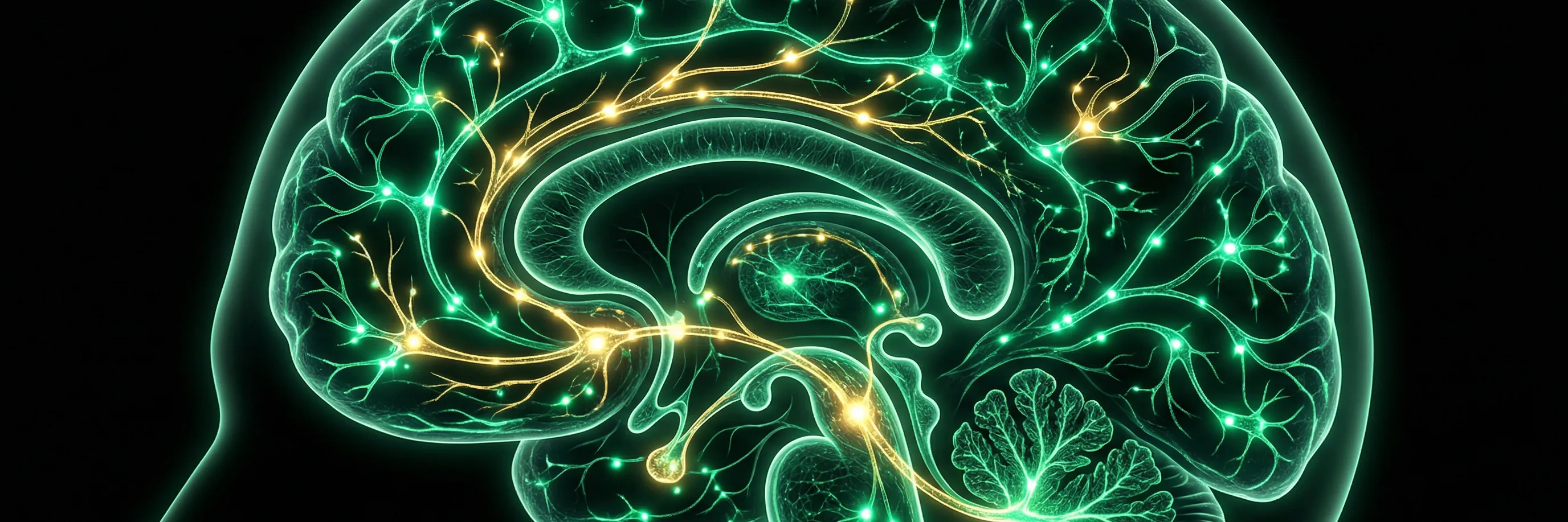
धूम्रपान छोड़ने के 272वें घंटे (12वां दिन), निकोटीन आपके शरीर से पूरी तरह साफ हो चुका है। मुख म्यूकोसल हीलिंग: तंबाकू के संपर्क से जुड़े ल्यूकोप्लाकिया और अन्य मुख म्यूकोसल घाव ठीक होना शुरू हो रहे हैं। मुंह साफ और ताज़ा लग रहा है — चल रहे शारीरिक परिवर्तन का एक निरंतर, निम्न स्तरीय अनुस्मारक। यह धूम्रपान छोड़ने की एक सामान्य और प्रलेखित अवस्था है।
आपके शरीर में क्या हो रहा है
तंबाकू के संपर्क से जुड़े ल्यूकोप्लाकिया और अन्य मुख म्यूकोसल घाव ठीक होना शुरू हो रहे हैं। मुख एपिथीलियम स्वस्थ, गैर-केरेटिनाइज्ड ऊतक के साथ पुनर्जीवित हो रहा है। सिगरेट के धुएं में 7,000 से अधिक रसायन होते हैं — निकोटीन आपको आदी बनाता है, लेकिन दहन के उप-उत्पाद (टार, कार्बन मोनोऑक्साइड, फॉर्मेल्डिहाइड, बेंजीन) सबसे अधिक शारीरिक नुकसान करते हैं। जैसे-जैसे निकोटीन साफ होता है, इन विषाक्त पदार्थों का निरंतर संपर्क भी समाप्त होता है।
इस समय — "मुख म्यूकोसल हीलिंग" — आपका शरीर पूरी तरह निकोटीन मुक्त है और न्यूरोलॉजिकल तथा ऊतक रिकवरी पर केंद्रित है।
12वां दिन: आपकी प्रतिरक्षा प्रणाली धूम्रपान शुरू करने के बाद पहली बार पूरी क्षमता से काम कर रही है। श्वेत रक्त कोशिकाओं की संख्या सामान्य हो गई है। आपके फेफड़ों का म्यूकोसिलियरी क्लीयरेंस सिस्टम प्रभावी रूप से काम कर रहा है, वर्षों के संचित तलछट को साफ कर रहा है। आपके शरीर के डीएनए रिपेयर मैकेनिज्म ने सिगरेट के कार्सिनोजेन्स से हुई अधिकांश ऑक्सीडेटिव क्षति का समाधान कर लिया है। कैंसर का जोखिम पहले से ही कम हो रहा है।
आप कैसा महसूस कर रहे हैं
मुंह साफ और ताज़ा लग रहा है — चल रहे शारीरिक परिवर्तन का एक निरंतर, निम्न स्तरीय अनुस्मारक।
सुबह के घंटे धूम्रपान करने वालों के लिए भारी ट्रिगर लोड लेकर आते हैं — यात्रा, काम का ब्रेक, मध्य सुबह की कॉफी। इनमें से हर एक धूम्रपान की रस्म थी। आज, इनमें से हर एक को बिना सिगरेट के गुजारना एसोसिएशन को कमजोर करता है। यह प्रगति जैसा महसूस नहीं होता, लेकिन यह है।
वे न्यूरल पाथवे जो कभी आपको सिगरेट जलाने के लिए प्रेरित करते थे, धुंधले पड़ रहे हैं। सुबह की कॉफी ट्रिगर, भोजन के बाद की इच्छा, तनाव की प्रतिक्रिया — ये सभी नए पैटर्न से अधिलेखित हो रहे हैं। वर्षों के धूम्रपान ने आपके मस्तिष्क में गहरे खांचे वाले रास्ते बनाए, लेकिन चौदह दिनों के निरंतर गैर-धूम्रपान ने प्रतिस्पर्धी रास्ते स्थापित किए हैं जो हर दिन मजबूत होते जा रहे हैं। आपके मन में अभी भी कभी-कभार धूम्रपान के विचार आ सकते हैं, लेकिन देखिए कि वे कैसे बदले हैं: वे शांत हैं, कम तत्काल हैं, आदेशों की तरह कम और यादों की तरह अधिक हैं। यही अंतर है लालसा और विचार के बीच।
अभी क्या करें
हर सुबह अपनी जीभ को धीरे से ब्रश करें और म्यूकोसल हीलिंग के साथ आने वाली मुंह की ताज़गी में सुधार पर ध्यान दें।
धूम्रपान करने वालों के लिए भविष्य की योजना: महीने 1-3 में पूर्व धूम्रपान करने वालों के लिए शीर्ष रिलैप्स ट्रिगर हैं (1) शराब पीना, विशेषकर सामाजिक परिस्थितियों में जहां दूसरे धूम्रपान करते हैं, (2) बड़ा जीवन तनाव (नौकरी का नुकसान, रिश्तों में संघर्ष, शोक), (3) नॉस्टेल्जिक सोच ("मैं वास्तव में धूम्रपान का आनंद लेता था" — आपका मस्तिष्क लत को रोमांटिक बना रहा है)। हर एक के लिए योजना बनाएं। 336 ऐप की SOS सुविधा तत्काल लालसा के लिए 60-सेकंड की सांस की कसरत प्रदान करती है।
माइलस्टोन ट्रैकिंग: 30 दिनों को अपना अगला लक्ष्य निर्धारित करें। 30 दिन धूम्रपान मुक्त रहने पर, आपके फेफड़ों ने टार जमा को साफ करने में महत्वपूर्ण प्रगति की होगी। 90 दिनों में, आपका रक्त प्रवाह मापने योग्य रूप से सुधरा होगा। 1 साल में, कोरोनरी हृदय रोग का आपका अतिरिक्त जोखिम वर्तमान धूम्रपान करने वाले के आधे तक गिर जाएगा।
इस घंटे क्या उम्मीद करें
धूम्रपान छोड़ने के 12वें दिन इस सुबह के विस्तार के दौरान, वापसी के लक्षण अपेक्षाकृत प्रबंधनीय हैं। आपका शरीर पूरी तरह निकोटीन मुक्त है — सभी शेष लक्षण न्यूरोलॉजिकल अनुकूलन हैं, रासायनिक वापसी नहीं। आप न्यू बेसलाइन चरण (दिन 11-14) में पहुंच गए हैं। आपका मस्तिष्क और शरीर धूम्रपान के बिना अपना नया सामान्य स्थापित कर रहे हैं। शारीरिक लत टूट गई है — जो बचा है वह आपके गैर-धूम्रपान जीवन की आदतें और पहचान बनाना है।
शारीरिक बदलाव
निकोटीन स्तर: 0% — आपके रक्तप्रवाह से पूरी तरह साफ हो गया। आपके शरीर ने 72वें घंटे में पूर्ण निकोटीन क्लीयरेंस प्राप्त कर लिया।
आपके फेफड़ों की सिलिया — वे छोटी बाल जैसी संरचनाएं जो सिगरेट के धुएं से पंगु हो गई थीं — पुनर्जीवित हो रही हैं और आपके वायुमार्ग से संचित टार और मलबे को साफ करना शुरू कर रही हैं। इसलिए आपको अधिक खांसी हो सकती है: यह उपचार का संकेत है, नुकसान का नहीं।
आज के सामान्य लक्षण
अक्सर पूछे जाने वाले प्रश्न
क्या धूम्रपान छोड़ने के 272 घंटे बाद ऐसा महसूस करना सामान्य है?
हां। 272वें घंटे (12वां दिन) में, आपका शरीर पूरी तरह निकोटीन मुक्त है और न्यूरोलॉजिकल अनुकूलन से गुजर रहा है। आप जो लक्षण अनुभव कर रहे हैं — जो इस चरण में कम हैं — ये निकोटीन वापसी का एक प्रलेखित हिस्सा हैं और ये चले जाएंगे।
क्या 12 दिन बिना धूम्रपान के बाद मैं रिलैप्स से सुरक्षित हूं?
12 दिनों के बाद, आपकी शारीरिक लत काफी हद तक टूट गई है — मस्तिष्क रिसेप्टर घनत्व गैर-धूम्रपान करने वाले बेसलाइन के करीब पहुंच रहा है। लेकिन रिलैप्स का जोखिम शून्य नहीं होता। अगले महीने में सबसे अधिक जोखिम वाले क्षण हैं शराब सेवन, अत्यधिक तनाव, और अनुष्ठान के लिए नॉस्टेल्जिया। आपका बचाव: पहचान की प्रतिबद्धता। आप "धूम्रपान छोड़ने वाले व्यक्ति" नहीं हैं — आप "ऐसे व्यक्ति हैं जो धूम्रपान नहीं करते।"
घंटे-दर-घंटे मार्गदर्शन, पुश नोटिफिकेशन ब्रीफिंग्स, और ऑडियो कोचिंग अपने फोन पर पाएं।