ЧАС 269 ИЗ 336Нормализация обновления эпидермиса
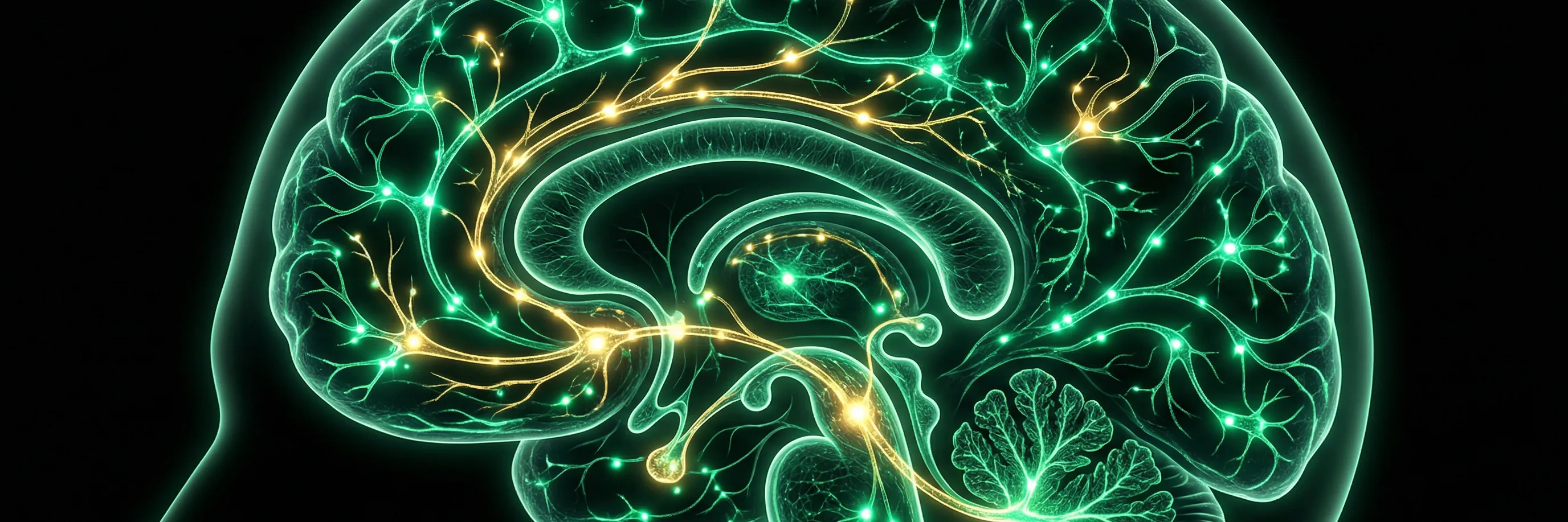
На 269-м часе отказа от курения (12-й день) никотин полностью выведен из вашего организма. Нормализация обновления эпидермиса: скорость пролиферации и дифференцировки кератиноцитов нормализуется. Лицо в зеркале выглядит заметно здоровее — изменения слишком постепенны для ежедневного наблюдения, но тем не менее реальны. Это нормальная и документированно подтвержденная стадия синдрома отмены курения.
ЧТО ПРОИСХОДИТ В ВАШЕМ ОРГАНИЗМЕ
Скорость пролиферации и дифференцировки кератиноцитов нормализуется. Барьерная функция кожи укрепляется по мере возвращения обновления эпидермиса к естественному 28-дневному циклу. Табачный дым содержит более 7000 химических веществ — никотин создает зависимость, но продукты горения (смолы, угарный газ, формальдегид, бензол) наносят наибольший физический вред. По мере выведения никотина прекращается постоянное воздействие этих токсинов.
В данный момент — «Нормализация обновления эпидермиса» — ваш организм полностью свободен от никотина и сосредоточен на неврологическом и тканевом восстановлении.
День 12: ваша иммунная система впервые с момента начала курения функционирует на полную мощность. Количество лейкоцитов нормализовалось. Мукоцилиарная система очистки ваших легких работает эффективно, выводя накопленные за годы отложения. Механизмы восстановления ДНК вашего организма устранили большую часть окислительных повреждений от канцерогенов сигарет. Риск рака уже снижается.
ЧТО ВЫ ЧУВСТВУЕТЕ
Лицо в зеркале выглядит заметно здоровее — изменения слишком постепенны для ежедневного наблюдения, но тем не менее реальны.
Раннее утро — это окно повышенного риска для бывших курильщиков. «Первая сигарета дня» часто была психологически наиболее закрепленной из всех ежедневных выкуриваемых сигарет — связанной с пробуждением, кофе и переходом от сна к бодрствованию. Ваш мозг сейчас ищет этот сигнал. Замените его чем-то физическим: потянитесь, плесните холодной водой на лицо, выйдите на свежий воздух.
Нейронные пути, которые когда-то заставляли вас закуривать, ослабевают. Триггер утреннего кофе, желание после еды, стрессовая реакция — все это перезаписывается новыми паттернами. Годы курения создали глубокие борозды в вашем мозгу, но четырнадцать дней последовательного некурения установили конкурирующие пути, которые становятся сильнее с каждым днем. У вас все еще могут возникать случайные мысли о курении, но заметьте, как они изменились: они тише, менее настойчивы, больше похожи на воспоминания, чем на команды. В этом разница между тягой и мыслью.
ЧТО ДЕЛАТЬ ПРЯМО СЕЙЧАС
Сделайте хорошо освещенное фото своего лица сегодня и сравните с тем, что было две недели назад — изменения поддаются измерению.
Профилактика рецидивов для курильщиков: Основные триггеры рецидива для бывших курильщиков в первые 1-3 месяца: (1) употребление алкоголя, особенно в социальных ситуациях, где другие курят, (2) серьезный жизненный стресс (потеря работы, конфликт в отношениях, утрата), (3) ностальгические мысли («мне действительно нравилось курить» — ваш мозг романтизирует зависимость). Имейте план для каждого случая. SOS-функция приложения 336 предоставляет 60-секундное дыхательное упражнение для экстренных случаев тяги.
Отслеживание вех: поставьте следующую цель — 30 дней. На 30-й день без курения ваши легкие достигнут значительного прогресса в очищении от смоляных отложений. На 90-й день ваше кровообращение заметно улучшится. Через год ваш избыточный риск ишемической болезни сердца снизится до половины от риска активного курильщика.
ЧТО ОЖИДАТЬ В ЭТОТ ЧАС
В эти ранние утренние часы 12-го дня отказа от курения симптомы отмены относительно управляемы. Ваш организм полностью свободен от никотина — все оставшиеся симптомы являются неврологической адаптацией, а не химической абстиненцией. Вы достигли фазы Нового Базиса (дни 11-14). Ваш мозг и тело устанавливают новую норму без курения. Физиологическая зависимость сломлена — остается формирование привычек и идентичности некурящей жизни.
ИЗМЕНЕНИЯ В ОРГАНИЗМЕ
Уровень никотина: 0% — полностью выведен из кровотока. Ваш организм достиг полного очищения от никотина на 72-м часе.
Ваши легочные реснички — крошечные волосовидные структуры, которые были парализованы табачным дымом, — регенерируют и начинают выметать накопившиеся смолы и мусор из дыхательных путей. Поэтому вы можете больше кашлять: это признак исцеления, а не повреждения.
ЧАСТЫЕ СИМПТОМЫ СЕГОДНЯ
ЧАСТО ЗАДАВАЕМЫЕ ВОПРОСЫ
Нормально ли чувствовать себя так через 269 часов после отказа от курения?
Да. На 269-м часе (12-й день) ваш организм полностью свободен от никотина и проходит неврологическую адаптацию. Симптомы, которые вы испытываете — а на этой стадии они слабые — являются документированной частью синдрома отмены никотина, и они пройдут.
Безопасен ли я от рецидива после 12 дней без курения?
После 12 дней ваша физиологическая зависимость в значительной степени сломлена — плотность рецепторов мозга приближается к базовому уровню некурящего. Но риск рецидива не падает до нуля. Моменты наивысшего риска в следующий месяц — употребление алкоголя, экстремальный стресс и ностальгия по ритуалу. Ваша защита: приверженность идентичности. Вы не «человек, который бросил курить» — вы «человек, который не курит».
Получайте почасовое руководство, уведомления с инструктажем и аудио-коучинг прямо на свой телефон.