UUR 267 VAN 336Coronaire Vasomotorische Tonus
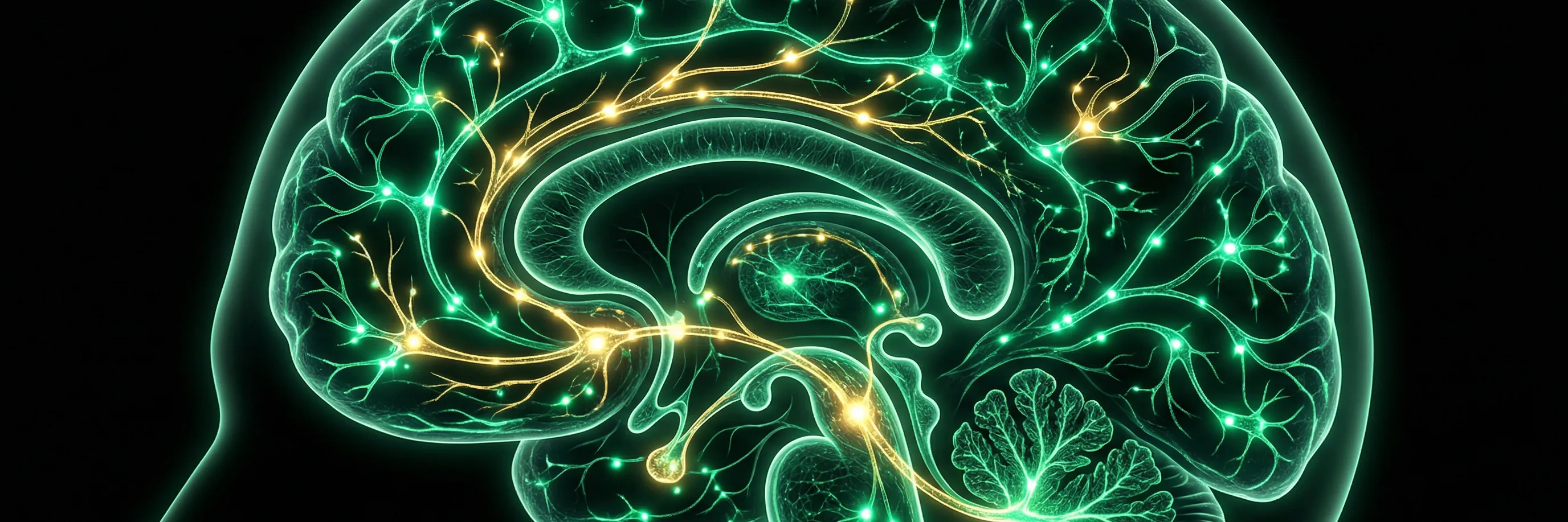
Op uur 267 van het stoppen met roken (dag 12) is nicotine volledig uit je lichaam weggewerkt. Coronaire Vasomotorische Tonus: Coronaire slagader endotheel functie verbetert. Het cardiovasculaire systeem werkt efficiënter in alle toestanden — rust, inspanning en herstel. Dit is een normale en gedocumenteerde fase van rookontwenning.
WAT ER IN JE LICHAAM GEBEURT
Coronaire slagader endotheel functie verbetert. Flow-gemedieerde dilatatie, een maatstaf voor vasculaire gezondheid, toont meetbare verbeteringen naarmate de beschikbaarheid van stikstofmonoxide toeneemt. Sigarettenrook bevat meer dan 7.000 chemicaliën — nicotine is wat je verslaafd maakt, maar de verbrandingsbijproducten (teer, koolmonoxide, formaldehyde, benzeen) veroorzaken de meeste fysieke schade. Naarmate nicotine wegtrekt, verdwijnt ook de constante blootstelling aan deze gifstoffen.
Op dit moment — "Coronaire Vasomotorische Tonus" — is je lichaam volledig nicotinevrij en gericht op neurologisch en weefselherstel.
Dag 12: je immuunsysteem functioneert op volle capaciteit voor het eerst sinds je begon met roken. Het aantal witte bloedcellen is genormaliseerd. Het mucociliaire klaringssysteem van je longen werkt effectief en veegt jarenlange afzettingen weg. De DNA-reparatiemechanismen van je lichaam hebben veel van de oxidatieve schade door sigarettencarcinogenen aangepakt. Het kankerrisico daalt al.
HOE JE JE VOELT
Het cardiovasculaire systeem werkt efficiënter in alle toestanden — rust, inspanning en herstel.
De vroege ochtend is een risicoperiode voor ex-rokers. De "eerste sigaret van de dag" was vaak de meest psychologisch versterkende van alle dagelijkse sigaretten — gekoppeld aan wakker worden, koffie en de overgang van slaap naar alertheid. Je hersenen zoeken nu naar dat signaal. Vervang het door iets fysieks: strekken, koud water in je gezicht, naar buiten gaan voor frisse lucht.
De neurale paden die je ooit aanzetten tot het opsteken van een sigaret vervagen. De koffie-trigger in de ochtend, de drang na het eten, de stressreactie — al deze worden overschreven door nieuwe patronen. Jaren van roken hebben diepe sporen in je hersenen gecreëerd, maar veertien dagen consequent niet-roken hebben concurrerende paden gevestigd die elke dag sterker worden. Je hebt misschien nog af en toe gedachten over roken, maar merk op hoe ze zijn veranderd: ze zijn stiller, minder urgent, meer als herinneringen dan commando's. Dat is het verschil tussen een craving en een gedachte.
WAT JE NU MOET DOEN
Monitor je bloeddruk als je toegang hebt tot een manchet — de cijfers verbeteren waarschijnlijk en het zien ervan versterkt de toewijding.
Toekomstbestendigheid voor rokers: De belangrijkste terugvaltriggers voor ex-rokers in maanden 1-3 zijn (1) alcohol drinken, vooral in sociale situaties waar anderen roken, (2) grote levensstress (baanverlies, relatieconflicten, rouw), (3) nostalgisch denken ("Ik genoot eigenlijk van roken" — je hersenen romantiseren de verslaving). Heb voor elk een plan. De SOS-functie van de 336 app biedt een 60 seconden durende ademhalingsoefening voor craving-noodgevallen.
Mijlpaalvolging: Stel 30 dagen als je volgende doel. Na 30 dagen rookvrij hebben je longen aanzienlijke vooruitgang geboekt in het wegwerken van teerafzettingen. Na 90 dagen is je bloedsomloop meetbaar verbeterd. Na 1 jaar daalt je extra risico op coronaire hartziekte tot de helft van dat van een huidige roker.
WAT JE DIT UUR KUNT VERWACHTEN
In deze vroege ochtenduren op dag 12 van het stoppen met roken zijn de ontwenningsverschijnselen relatief beheersbaar. Je lichaam is volledig vrij van nicotine — alle resterende symptomen zijn neurologische aanpassing, geen chemische ontwenning. Je hebt de Nieuwe Baseline fase bereikt (Dagen 11-14). Je hersenen en lichaam vestigen hun nieuwe normaal zonder roken. De fysiologische verslaving is doorbroken — wat overblijft is het opbouwen van de gewoonten en identiteit van je niet-rokende leven.
LICHAAMSVERANDERINGEN
Nicotinepeil: 0% — volledig weggewerkt uit je bloedbaan. Je lichaam bereikte volledige nicotineklaring op uur 72.
Je longcilia — de kleine haarachtige structuren die verlamd waren door sigarettenrook — regenereren en beginnen geaccumuleerde teer en puin uit je luchtwegen te vegen. Daarom hoest je misschien meer: het is een teken van genezing, niet van schade.
VEELVOORKOMENDE SYMPTOMEN VANDAAG
VEELGESTELDE VRAGEN
Is het normaal om me zo te voelen 267 uur na het stoppen met roken?
Ja. Op uur 267 (dag 12) is je lichaam volledig vrij van nicotine en ondergaat het neurologische aanpassing. De symptomen die je ervaart — die laag zijn in dit stadium — zijn een gedocumenteerd onderdeel van nicotineontwenning en ze zullen voorbijgaan.
Ben ik veilig voor terugval na 12 dagen zonder roken?
Na 12 dagen is je fysiologische verslaving grotendeels doorbroken — hersenreceptordichtheid nadert de baseline van niet-rokers. Maar het terugvalrisico daalt niet tot nul. De hoogste risicomomenten in de komende maand zijn alcoholconsumptie, extreme stress en nostalgie naar het ritueel. Je verdediging: identiteitsverbintenis. Je bent niet "een persoon die is gestopt met roken" — je bent "een persoon die niet rookt."
Krijg uur-voor-uur begeleiding, pushnotificatie briefings en audiocoaching direct op je telefoon.