HOUR 226 OF 336Repair Cells Back in Circulation
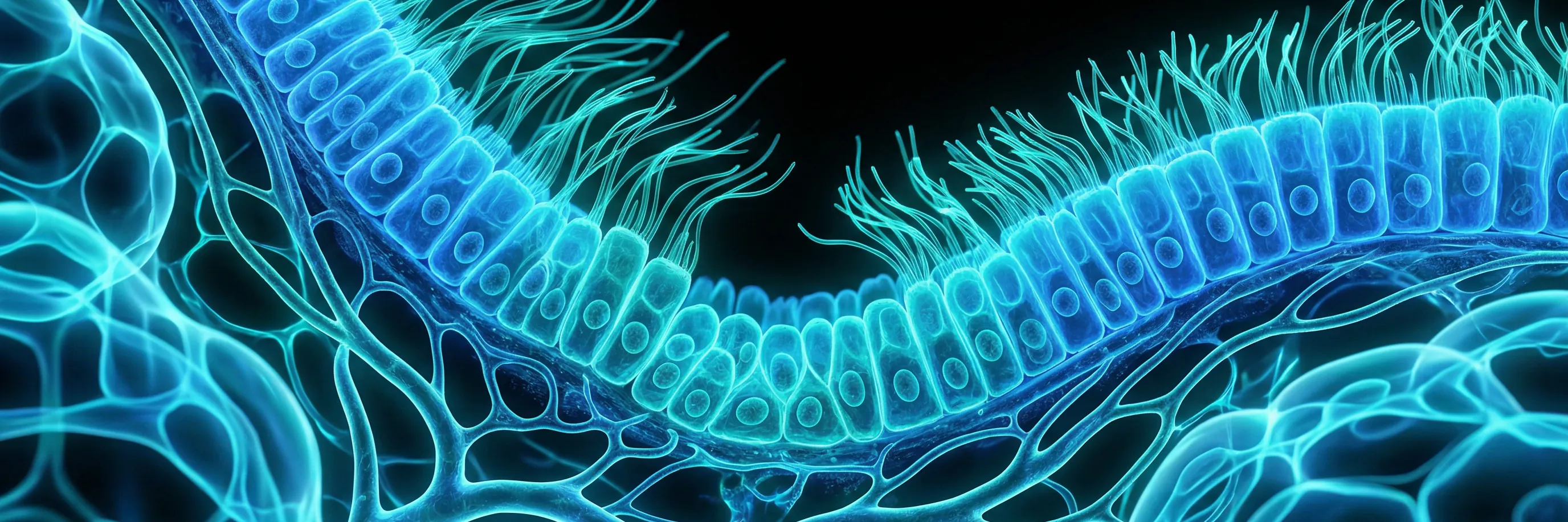
At hour 226 of quitting smoking (day 10), nicotine has been completely cleared from your body. Hematopoietic and mesenchymal stem cell mobilization is increasing now that nicotine-mediated bone marrow suppression has lifted, and those cells support repair across several organ systems at once. That is why the improvements at day 10 are not confined to your lungs: skin, gums, vessels and airways are all being resupplied. Ten days without cigarettes has taken the brake off your own regenerative capacity.
WHAT'S HAPPENING IN YOUR BODY
Hematopoietic and mesenchymal stem cell mobilization is increasing in the absence of nicotine-mediated bone marrow suppression. Enhanced stem cell availability supports tissue repair across multiple organ systems simultaneously. Cigarette smoke contains over 7,000 chemicals — the nicotine is what hooks you, but the combustion byproducts (tar, carbon monoxide, formaldehyde, benzene) are what cause the most physical damage. As nicotine clears, so does the constant exposure to these toxins.
At this moment — "Circulating Stem Cells Increasing" — your body is completely nicotine-free and focused on neurological and tissue recovery.
Day 10: the shift from suffering to recovery is tangible. Most former smokers report this as the first day they feel genuinely better. Cravings are infrequent (1-2 per day) and brief. Sleep architecture has stabilized. Lung capacity continues to improve. Your sense of taste and smell are noticeably sharper. Morning cough, while possibly still present, is productive and therapeutic — your lungs are cleaning house.
HOW YOU'RE FEELING
The body's regenerative capacity is being fully unleashed, contributing to a growing sense of physical renewal.
Morning hours carry heavy trigger load for smokers — the commute, the work break, the mid-morning coffee. Each of these was a smoking ritual. Today, each one you pass through without a cigarette weakens the association. It doesn't feel like progress, but it is.
For long-term smokers, the identity shift can feel profound. "I'm a smoker" may have been part of your self-concept for decades — a social identity, a stress management strategy, a way of taking breaks, a conversation starter. Releasing that identity doesn't mean erasing your history. It means recognizing that the person you are now has outgrown the habit. You're not giving something up. You're putting something down that no longer serves you. The language matters: "I don't smoke" is fundamentally different from "I'm trying to quit." One is an identity statement. The other is a struggle narrative.
WHAT TO DO RIGHT NOW
Engage in moderate exercise for 30 minutes to further stimulate beneficial stem cell mobilization.
Tactical focus shifts from crisis management to identity building. Start noticing the improvements: your sense of smell is sharper, food tastes better, you're not excusing yourself from conversations to step outside, your clothes don't reek of smoke, your car smells clean.
Body awareness helps: take stock of the past week physically. Breathing easier on stairs, the morning cough changing character as cilia clear, food tasting like food again. Write the changes somewhere visible. Make the benefit tangible.
WHAT TO EXPECT THIS HOUR
During this morning stretch on day 10 of quitting smoking, withdrawal symptoms are relatively manageable and physical renewal is broad rather than local. Nicotine has been at zero since hour 72, so what you feel is recovery compounding. This is a good hour to notice something concrete — breath on a hill, color in your face — because concrete evidence outperforms willpower. Cravings remain infrequent and short.
BODY CHANGES
Nicotine level: 0% — completely cleared from your bloodstream. Your body achieved full nicotine clearance at hour 72.
Nicotinic acetylcholine receptor downregulation is actively occurring in your brain. The excess receptors built up over years of smoking is being pruned back toward non-smoker baseline.
Your lung cilia — the tiny hair-like structures that were paralyzed by cigarette smoke — are regenerating and beginning to sweep accumulated tar and debris out of your airways. This is why you may be coughing more: it's a sign of healing, not damage.
FREQUENTLY ASKED QUESTIONS
Is it normal to feel this way 226 hours after quitting smoking?
Yes. At hour 226 (day 10), you are ten days past your last cigarette and completely nicotine-free since hour 72. Remaining symptoms are neurological adaptation, they are low at this stage, and they continue to resolve.
What is actually healing ten days after quitting cigarettes?
Stem cell mobilization is increasing without nicotine-mediated bone marrow suppression, supporting tissue repair across multiple organ systems simultaneously. In practice that means airway lining, gum tissue, blood vessel walls and skin are all repairing at the same time.
Is day 10 too early to notice real physical change from stopping smoking?
No. Most former smokers report day 10 as the first day they feel genuinely better: easier breathing on exertion, sharper taste and smell, steadier sleep, and cravings down to one or two brief episodes a day.
Get hour-by-hour guidance, push notification briefings, and audio coaching delivered to your phone.