HOUR 222 OF 336Smoker's Gums Turning Pink Again
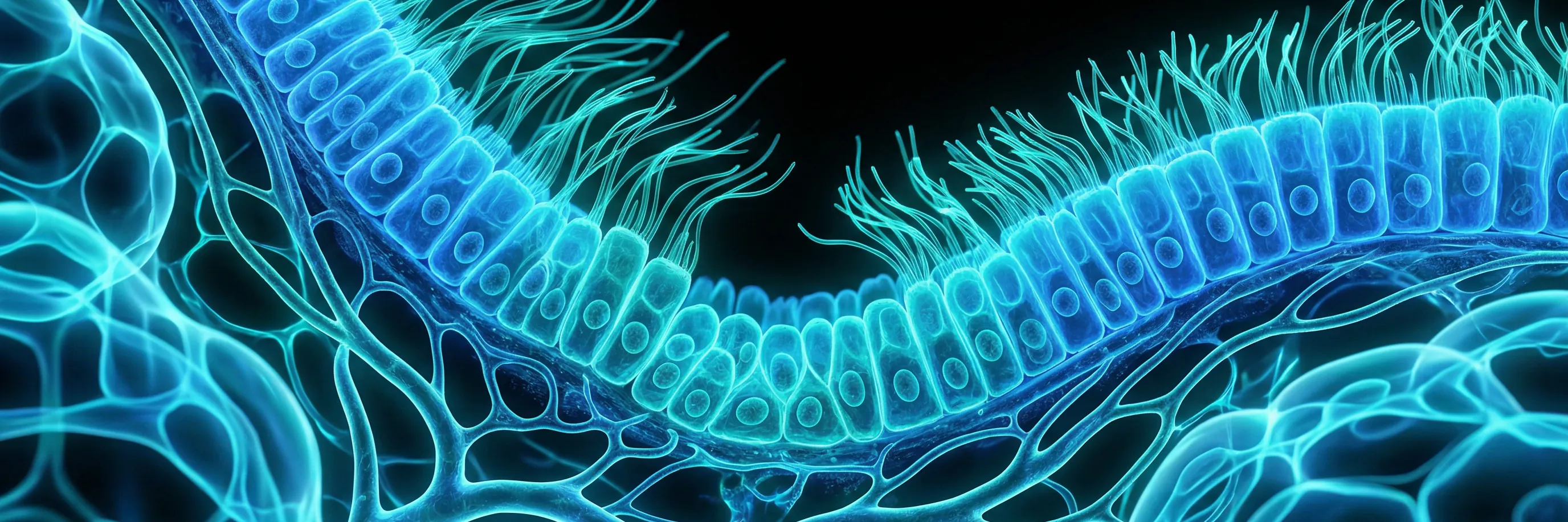
At hour 222 of quitting smoking (day 10), nicotine has been completely cleared from your body. Gum tissue is shifting from the pale, fibrotic look that cigarettes produce toward healthy pink, as microvascular perfusion in the gingiva approaches non-user levels. This is one of the few repairs you can watch in a mirror. Your mouth no longer tastes of smoke first thing in the morning.
WHAT'S HAPPENING IN YOUR BODY
Gum tissue color is transitioning from the pale, fibrotic appearance characteristic of smokers toward healthy pink coloration. Restored microvascular perfusion in the gingiva is approaching non-user levels by this stage. Cigarette smoke contains over 7,000 chemicals — the nicotine is what hooks you, but the combustion byproducts (tar, carbon monoxide, formaldehyde, benzene) are what cause the most physical damage. As nicotine clears, so does the constant exposure to these toxins.
At this moment — "Gingival Color Normalizing" — your body is completely nicotine-free and focused on neurological and tissue recovery.
Day 10: the shift from suffering to recovery is tangible. Most former smokers report this as the first day they feel genuinely better. Cravings are infrequent (1-2 per day) and brief. Sleep architecture has stabilized. Lung capacity continues to improve. Your sense of taste and smell are noticeably sharper. Morning cough, while possibly still present, is productive and therapeutic — your lungs are cleaning house.
HOW YOU'RE FEELING
Visible improvements in oral appearance reinforce the tangible benefits of cessation.
Early morning is a high-risk window for former smokers. The "first cigarette of the day" was often the most psychologically reinforced of all daily smokes — paired with waking up, coffee, and the transition from sleep to alertness. Your brain is looking for that signal right now. Replace it with something physical: stretch, splash cold water on your face, step outside for fresh air.
For long-term smokers, the identity shift can feel profound. "I'm a smoker" may have been part of your self-concept for decades — a social identity, a stress management strategy, a way of taking breaks, a conversation starter. Releasing that identity doesn't mean erasing your history. It means recognizing that the person you are now has outgrown the habit. You're not giving something up. You're putting something down that no longer serves you. The language matters: "I don't smoke" is fundamentally different from "I'm trying to quit." One is an identity statement. The other is a struggle narrative.
WHAT TO DO RIGHT NOW
Examine your gums in the mirror this morning and note the improved pink coloration as a marker of vascular recovery.
Tactical focus shifts from crisis management to identity building. Start noticing the improvements: your sense of smell is sharper, food tastes better, you're not excusing yourself from conversations to step outside, your clothes don't reek of smoke, your car smells clean.
Body awareness helps: take stock of the past week physically. Breathing easier on stairs, the morning cough changing character as cilia clear, food tasting like food again. Write the changes somewhere visible. Make the benefit tangible.
WHAT TO EXPECT THIS HOUR
In these early morning hours on day 10 of quitting smoking, withdrawal symptoms are relatively manageable and the changes are becoming visible. Nicotine has been at zero since hour 72, so the sharper taste of toothpaste and coffee is your recovered palate, not imagination. Brushing is a good anchor for the moment you used to light up before leaving the house. Cravings arrive rarely now and fade within three to five minutes.
BODY CHANGES
Nicotine level: 0% — completely cleared from your bloodstream. Your body achieved full nicotine clearance at hour 72.
Nicotinic acetylcholine receptor downregulation is actively occurring in your brain. The excess receptors built up over years of smoking is being pruned back toward non-smoker baseline.
Your lung cilia — the tiny hair-like structures that were paralyzed by cigarette smoke — are regenerating and beginning to sweep accumulated tar and debris out of your airways. This is why you may be coughing more: it's a sign of healing, not damage.
COMMON SYMPTOMS TODAY
FREQUENTLY ASKED QUESTIONS
Is it normal to feel this way 222 hours after quitting smoking?
Yes. At hour 222 (day 10), your body has been nicotine-free since hour 72 and symptoms are low. What is left is habit and cue response, which keeps weakening as receptor density falls toward non-smoker levels.
Do gums and teeth recover after you stop smoking cigarettes?
Gum tissue color is already transitioning from the pale, fibrotic appearance characteristic of smokers toward healthy pink, and restored gingival microvascular perfusion is approaching non-user levels by this stage. Circulation returning to the gums is the first and fastest oral change.
Why does food taste so different on day 10 without cigarettes?
Smoke dulls taste and smell receptors continuously. With no cigarettes for ten days, those senses are noticeably sharper, which is why meals, coffee and even ordinary air register more strongly than they did while you smoked.
Get hour-by-hour guidance, push notification briefings, and audio coaching delivered to your phone.