HORA 19 DE 336Motilidade Ciliar Reativando
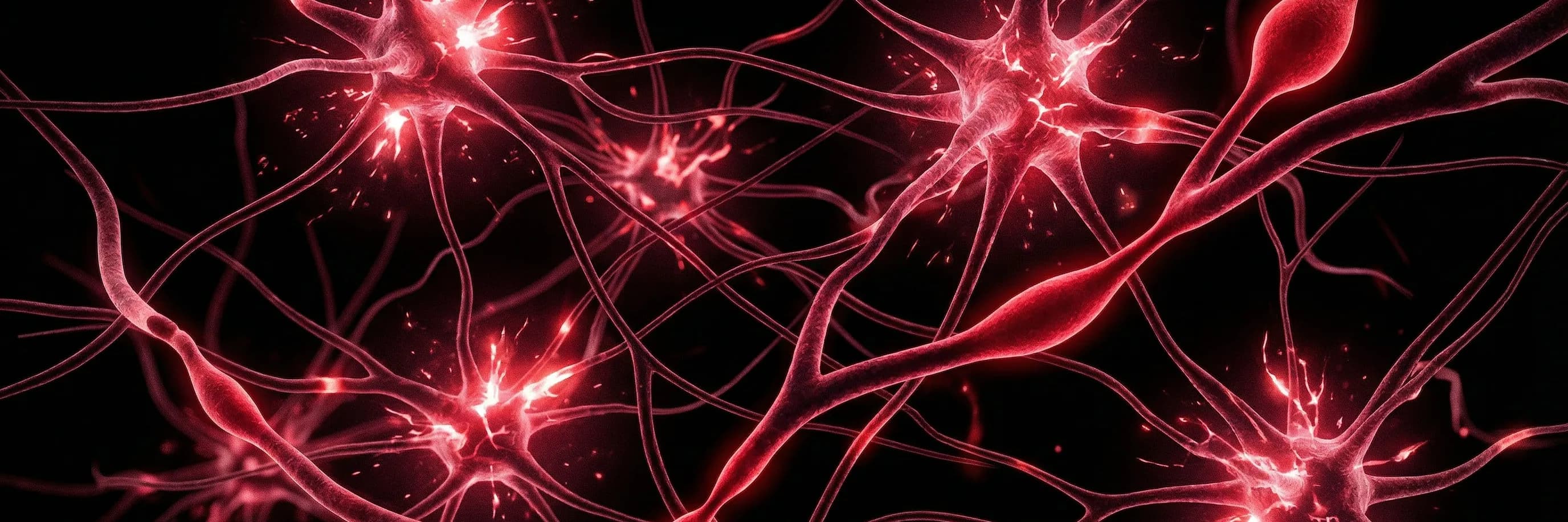
Na hora 19 de parar de fumar (dia 1), seu nível de nicotina no sangue caiu para 0,1% do que era quando você parou. Motilidade Ciliar Reativando: Os cílios do epitélio brônquico, paralisados pela exposição crônica ao alcatrão e toxinas, estão começando a recuperar a função motora. A interrupção do sono da primeira noite sem nicotina produz lentidão cognitiva mensurável e tempos de reação aumentados. Este é um estágio normal e documentado da abstinência do cigarro.
O QUE ESTÁ ACONTECENDO NO SEU CORPO
Os cílios do epitélio brônquico, paralisados pela exposição crônica ao alcatrão e toxinas, estão começando a recuperar a função motora. A frequência inicial de batimento ciliar é lenta, mas mensurável, marcando o início da restauração da depuração mucociliar. A fumaça do cigarro contém mais de 7.000 substâncias químicas — a nicotina é o que vicia, mas os subprodutos da combustão (alcatrão, monóxido de carbono, formaldeído, benzeno) são os que causam mais danos físicos. Conforme a nicotina sai do organismo, também sai a exposição constante a essas toxinas.
Neste momento — "Motilidade Ciliar Reativando" — seu corpo ainda está processando nicotina (0,1% restante).
A nicotina está em 0,1% — essencialmente um vestígio. A abstinência farmacocinética está quase completa. Seu corpo não esteve tão próximo de estar livre de nicotina desde antes de você se tornar um fumante regular. Os depósitos de alcatrão nas suas vias aéreas ainda estão presentes (levará semanas para sair), mas o dano ativo de cada novo cigarro parou permanentemente. A partir daqui, seu corpo muda inteiramente para adaptação neurológica e reparo dos tecidos.
Lá no fundo dos seus pulmões, algo está voltando à vida. Os cílios — estruturas microscópicas parecidas com cabelos que revestem suas vias aéreas — foram paralisados pelas toxinas que você estava inalando. O trabalho deles é varrer muco e detritos para fora dos seus pulmões, e eles não conseguiam fazer isso. Agora, na hora dezenove, eles estão começando a bater novamente.
COMO VOCÊ ESTÁ SE SENTINDO
A interrupção do sono da primeira noite sem nicotina produz lentidão cognitiva mensurável e tempos de reação aumentados.
A noite carrega associações poderosas para fumantes — o cigarro para relaxar, o cigarro depois do jantar, o cigarro na varanda antes de dormir. Estes são rituais de conforto, não apenas entrega de nicotina. Substituí-los requer não apenas evitar o cigarro, mas criar ativamente uma nova rotina de relaxamento. Uma bebida quente, alongamento leve, ou leitura podem sinalizar "o dia está terminando" para seu cérebro sem a fumaça.
O ato de fumar tem rituais incorporados — o maço, o isqueiro, o primeiro cigarro com o café da manhã, o cigarro pós-refeição — cada um é um gatilho conectado à sua rotina diária. Décadas de pesquisa sobre tabagismo mostram que os elementos rituais — o maço no seu bolso, o isqueiro na sua mão, a primeira tragada da manhã — criam dependência psicológica que funciona paralela e independente do vício em nicotina. Você está lutando contra ambos simultaneamente agora, e é isso que torna as primeiras 72 horas tão intensas.
Se você fumou por anos ou décadas, seu corpo acumulou danos que começam a se reverter no momento em que você para. Cada hora sem um cigarro é progresso mensurável. Cada hora que você não acende um cigarro, seu cérebro está registrando um novo ponto de dados: "Eu sobrevivi a esse gatilho sem um cigarro." Com o tempo, esses pontos de dados se acumulam em um novo padrão. Mas agora, o padrão antigo está alto.
O QUE FAZER AGORA
Inale vapor de uma tigela de água quente com 2 gotas de óleo de eucalipto por 5 minutos para apoiar a reabertura das vias aéreas e recuperação ciliar.
Técnica da água fria: Beba um copo cheio de água gelada o mais rápido que conseguir confortavelmente. A sensação fria e o ato de beber ocupam tanto sua fixação oral quanto seu nervo vago. Siga com uma bala forte de menta — o sabor intenso substitui a sensação de fumaça na garganta.
Escreva a vontade: gatilho, intensidade (1-10), hora, local. Esta prática — chamada de surfar no impulso na literatura clínica — transforma o sentimento avassalador em dados observáveis. A maioria das pessoas que rastreia as vontades descobre que elas são mais curtas e menos frequentes do que parecem no momento.
O QUE ESPERAR NESTA HORA
Conforme a noite progride no dia 1 de parar de fumar, os sintomas de abstinência são intensos — esta é uma das horas mais difíceis. Seu corpo ainda tem 0,1% de nicotina para eliminar. Durante a fase de Abstinência Aguda (Dias 1-3), seu corpo está focado em eliminar a nicotina e seus metabólitos. A nicotina dos cigarros está sendo quebrada e eliminada. Cada hora traz progresso mensurável.
MUDANÇAS NO CORPO
Nível de nicotina: 0,1% restante. As enzimas CYP2A6 do seu fígado estão ativamente convertendo nicotina em cotinina para eliminação renal.
O monóxido de carbono está saindo do seu sangue. Os níveis de carboxihemoglobina dos fumantes caem de 3-15% para menos de 1% nas primeiras 24 horas, melhorando dramaticamente a entrega de oxigênio para cada célula.
SINTOMAS COMUNS HOJE
PERGUNTAS FREQUENTES
É normal se sentir assim 19 horas depois de parar de fumar?
Sim. Na hora 19 (dia 1), seu corpo ainda está eliminando nicotina (0% restante). Os sintomas que você está experimentando — que são altos neste estágio — são uma parte documentada da abstinência da nicotina e vão passar.
Quanta nicotina resta no meu corpo após 19 horas?
Após 19 horas sem fumar, aproximadamente 0,1% de nicotina permanece na sua corrente sanguínea. A maior parte da nicotina foi eliminada. Seu corpo está nos estágios finais da abstinência farmacocinética.
Quando a vontade de fumar vai atingir o pico?
A vontade tipicamente atinge o pico entre as horas 24-72 após parar de fumar. Cada vontade dura 3-5 minutos — elas parecem infinitas, mas passam. Você está atualmente na hora 19, caminhando para a intensidade de pico. O importante a saber: cada vontade que você sobrevive sem fumar enfraquece a próxima.
Receba orientação hora a hora, briefings por notificação push e coaching de áudio direto no seu celular.