UUR 186 VAN 336TNF-Alpha Niveaus Dalen
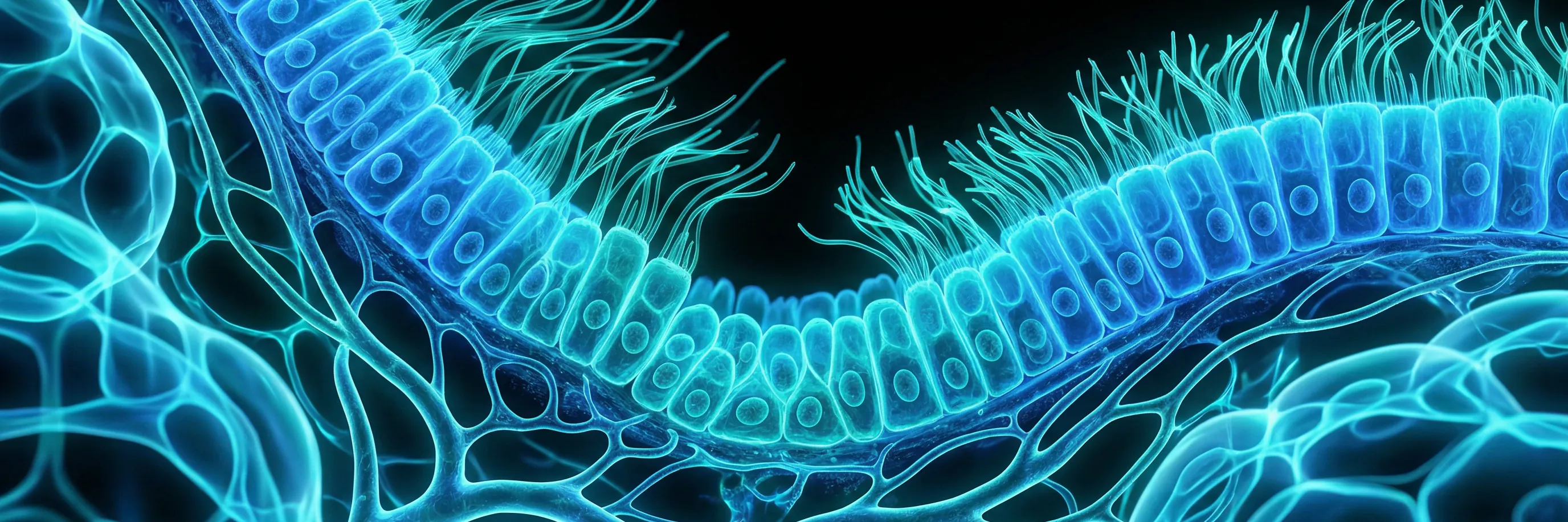
Op uur 186 van stoppen met roken (dag 8) is nicotine volledig uit je lichaam verdwenen. TNF-Alpha Niveaus Dalen: Tumor necrosis factor-alpha, een pro-inflammatoire cytokine chronisch verhoogd bij rokers, daalt. Avondontspanning wordt natuurlijker naarmate de associatie tussen tot rust komen en roken verzwakt. Dit is een normale en gedocumenteerde fase van nicotineonthouding.
WAT ER IN JE LICHAAM GEBEURT
Tumor necrosis factor-alpha, een pro-inflammatoire cytokine chronisch verhoogd bij rokers, daalt. Deze afname vermindert systemische inflammatoire signalering en ondersteunt weefselherstel in meerdere orgaansystemen. Sigarettenrook bevat meer dan 7.000 chemicaliën — nicotine verslaaft je, maar de verbrandingsbijproducten (teer, koolmonoxide, formaldehyde, benzeen) veroorzaken de meeste fysieke schade. Nu nicotine verdwijnt, verdwijnt ook de constante blootstelling aan deze toxinen.
Op dit moment — "TNF-Alpha Niveaus Dalen" — is je lichaam volledig nicotinevrij en gericht op neurologisch en weefselherstel.
Dag 8: weefselherstel versnelt in meerdere orgaansystemen. Je longen zijn het meest dramatisch: bronchiën zijn ontspannen, trilharen vegen actief teerdeeltjes uit luchtwegen, en nieuwe longblaasjes vervangen beschadigde cellen. FEV1 toont meetbare verbetering. Je hart- en vaatrisico is gedaald — arteriële stijfheid neemt af, bloedplaatjesplakkerigheid normaliseert. Je tandvlees krijgt betere bloedtoevoer, en de verkleuring van je tanden is gestopt.
HOE JE JE VOELT
Avondontspanning wordt natuurlijker naarmate de associatie tussen tot rust komen en roken verzwakt.
De middag is vaak wanneer rokers de "beloningssigarette" ervaren — een sigaret na de lunch, een pauze van de werkdag, een moment van ontspanning. Het verlangen dat je voelt is geen honger of verveling; het is je beloningssysteem dat vraagt om zijn geplande input. Geef het iets anders: een wandeling, een gesprek, een stukje fruit.
Voor langdurige rokers kan de identiteitsverandering diepgaand voelen. "Ik ben een roker" kan decennia deel hebben uitgemaakt van je zelfbeeld — een sociale identiteit, een strategie voor stressbeheersing, een manier om pauzes te nemen, een gespreksopener. Het loslaten van die identiteit betekent niet het uitwissen van je geschiedenis. Het betekent erkennen dat de persoon die je nu bent de gewoonte is ontgroeid. Je geeft niets op. Je legt iets neer dat je niet meer dient. De bewoordingen zijn belangrijk: "Ik rook niet" is fundamenteel anders dan "Ik probeer te stoppen." Het een is een identiteitsverklaring. Het ander is een strijd-verhaal.
WAT JE NU MOET DOEN
Creëer een nieuw avondontspanningsritueel zoals het zetten van kruidenthee ter vervanging van de na-diner sigarettenroutine.
Tactische focus verschuift van crisisbeheersing naar identiteitsopbouw. Begin de verbeteringen op te merken: je reukzin is scherper, eten smaakt beter, je hoeft je niet te excuseren uit gesprekken om naar buiten te gaan, je kleren stinken niet naar rook, je auto ruikt schoon.
Financieel bewustzijn helpt: bereken wat je de afgelopen week hebt bespaard. Als je een pakje per dag rookte voor €8-14 per pakje, heb je deze week alleen al €56-98 bespaard. Stuur dat geld ergens zichtbaar naartoe — een pot, een rekening, een aankoop die je hebt uitgesteld. Maak het voordeel tastbaar.
WAT JE DIT UUR KUNT VERWACHTEN
Deze middag op dag 8 van stoppen met roken zijn onthoudingsverschijnselen matig — merkbaar maar beheersbaar. Je lichaam is volledig vrij van nicotine — alle resterende symptomen zijn neurologische aanpassing, geen chemische onthouding. De Keerpuntfase (Dagen 8-10) is wanneer veel ex-rokers de verschuiving opmerken van lijden naar herstel. Fysieke symptomen verminderen, en je lichaamsherstelmechanismen draaien op volle toeren.
LICHAAMSVERANDERINGEN
Nicotineniveau: 0% — volledig uit je bloedbaan verdwenen. Je lichaam bereikte volledige nicotineklaring op uur 72.
Nicotinereceptor downregulatie vindt actief plaats in je hersenen. De overtollige receptoren die zich opbouwden tijdens jaren van roken worden teruggesnoeid naar het basisniveau van niet-rokers.
Je longtrilharen — de kleine haarachtige structuren die werden verlamd door sigarettenrook — regenereren en beginnen opgehoopte teer en vuil uit je luchtwegen te vegen. Daarom hoest je misschien meer: het is een teken van genezing, geen schade.
VEELGESTELDE VRAGEN
Is het normaal om me zo te voelen 186 uur na het stoppen met roken?
Ja. Op uur 186 (dag 8) is je lichaam volledig vrij van nicotine en ondergaat neurologische aanpassing. De symptomen die je ervaart — die matig zijn in dit stadium — zijn een gedocumenteerd onderdeel van nicotineonthouding en zullen voorbijgaan.
Wanneer begint het beter te voelen na het stoppen met roken?
De meeste mensen die cold turkey stoppen met roken melden een merkbare ommekeer tussen dagen 8-10. Je bent op dag 8 — precies in dat venster. Het ergste ligt achter je. Verlangen wordt minder frequent (typisch 1-2 per dag in plaats van tientallen), slaap verbetert, en veel mensen melden hun eerste dag van echt goed voelen. De tijdlijn varieert per individu, maar de trend is nu onmiskenbaar.
Krijg uur-voor-uur begeleiding, pushnotificatie briefings en audiocoaching direct op je telefoon.