HORA 183 DE 336Inflamación bronquial disminuyendo
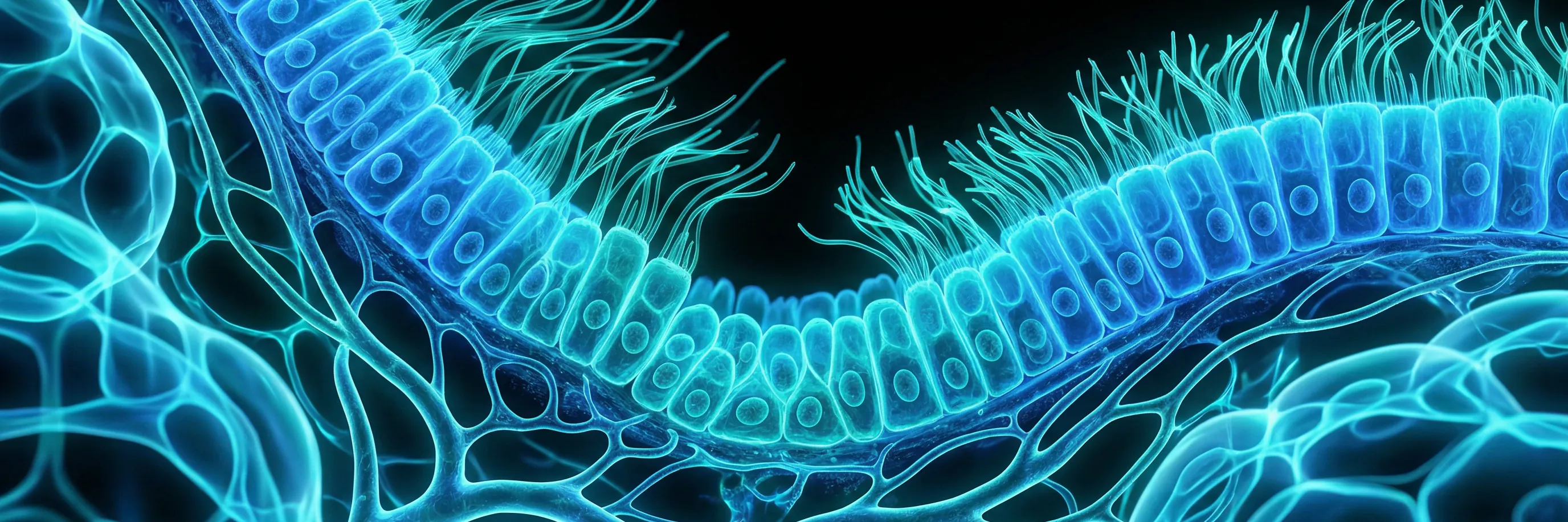
En la hora 183 de dejar de fumar (día 8), la nicotina ha sido completamente eliminada de tu cuerpo. Inflamación bronquial disminuyendo: La infiltración de células inflamatorias en el epitelio bronquial está disminuyendo. El cambio psicológico de identidad de 'fumador que está dejando de fumar' a 'no fumador' está comenzando a arraigarse. Esta es una etapa normal y documentada del síndrome de abstinencia del cigarrillo.
QUÉ ESTÁ PASANDO EN TU CUERPO
La infiltración de células inflamatorias en el epitelio bronquial está disminuyendo. Los recuentos de eosinófilos y neutrófilos en el líquido de lavado bronquial están disminuyendo, indicando resolución de la inflamación crónica de las vías respiratorias. El humo del cigarrillo contiene más de 7,000 químicos — la nicotina es lo que te engancha, pero los subproductos de la combustión (alquitrán, monóxido de carbono, formaldehído, benceno) son los que causan el mayor daño físico. A medida que la nicotina se elimina, también lo hace la exposición constante a estas toxinas.
En este momento — "Inflamación bronquial disminuyendo" — tu cuerpo está completamente libre de nicotina y enfocado en la recuperación neurológica y de tejidos.
Día 8: la reparación de tejidos se está acelerando en múltiples sistemas de órganos. Tus pulmones son los más dramáticos: los tubos bronquiales se han relajado, los cilios están barriendo activamente los depósitos de alquitrán de las vías respiratorias, y nuevas células alveolares están reemplazando las dañadas. El VEF1 está mostrando mejoría medible. Tu riesgo cardiovascular ha disminuido — la rigidez arterial está disminuyendo, la adherencia plaquetaria se está normalizando. Tu tejido de las encías está recibiendo mejor flujo sanguíneo, y la tinción en tus dientes ha dejado de progresar.
CÓMO TE ESTÁS SINTIENDO
El cambio psicológico de identidad de 'fumador que está dejando de fumar' a 'no fumador' está comenzando a arraigarse.
La tarde es a menudo cuando los fumadores experimentaban el "cigarrillo de recompensa" — un cigarro después del almuerzo, un descanso del día laboral, un momento de descompresión. La urgencia que sientes no es hambre o aburrimiento; es tu sistema de recompensa cerebral pidiendo su entrada programada. Dale algo más: una caminata, una conversación, una fruta.
Para fumadores de largo plazo, el cambio de identidad puede sentirse profundo. "Soy fumador" puede haber sido parte de tu autoconcepto por décadas — una identidad social, una estrategia de manejo del estrés, una forma de tomar descansos, un iniciador de conversación. Liberar esa identidad no significa borrar tu historia. Significa reconocer que la persona que eres ahora ha superado el hábito. No estás renunciando a algo. Estás dejando algo que ya no te sirve. El lenguaje importa: "No fumo" es fundamentalmente diferente de "Estoy tratando de dejar de fumar". Uno es una declaración de identidad. El otro es una narrativa de lucha.
QUÉ HACER AHORA MISMO
Escribe tres formas en que tu vida diaria ha mejorado desde que dejaste de fumar para reforzar tu identidad de no fumador.
El enfoque táctico cambia del manejo de crisis a la construcción de identidad. Comienza a notar las mejorías: tu sentido del olfato es más agudo, la comida sabe mejor, no te estás disculpando de las conversaciones para salir afuera, tu ropa no apesta a humo, tu auto huele limpio.
La conciencia financiera ayuda: calcula lo que has ahorrado en la semana pasada. Si fumabas una cajetilla al día a $8-14 por cajetilla, has ahorrado $56-98 solo esta semana. Redirige ese dinero a algún lugar visible — un frasco, una cuenta, una compra que has estado posponiendo. Haz tangible el beneficio.
QUÉ ESPERAR ESTA HORA
Esta tarde del día 8 de dejar de fumar, los síntomas de abstinencia son moderados — notables pero manejables. Tu cuerpo está completamente libre de nicotina — todos los síntomas restantes son adaptación neurológica, no abstinencia química. La fase de Punto de Inflexión (Días 8-10) es cuando muchos ex fumadores notan el cambio del sufrimiento a la recuperación. Los síntomas físicos están aliviándose, y los mecanismos de reparación de tu cuerpo están funcionando a pleno.
CAMBIOS CORPORALES
Nivel de nicotina: 0% — completamente eliminada de tu torrente sanguíneo. Tu cuerpo logró la eliminación completa de nicotina en la hora 72.
La regulación hacia abajo de receptores nicotínicos de acetilcolina está ocurriendo activamente en tu cerebro. El exceso de receptores acumulados durante años de fumar está siendo podado de vuelta hacia la línea base de no fumador.
Tus cilios pulmonares — las pequeñas estructuras parecidas a cabellos que fueron paralizadas por el humo del cigarrillo — se están regenerando y comenzando a barrer el alquitrán y los desechos acumulados de tus vías respiratorias. Por esto puedes estar tosiendo más: es una señal de sanación, no de daño.
SÍNTOMAS COMUNES HOY
PREGUNTAS FRECUENTES
¿Es normal sentirse así 183 horas después de dejar de fumar?
Sí. En la hora 183 (día 8), tu cuerpo está completamente libre de nicotina y experimentando adaptación neurológica. Los síntomas que estás experimentando — que son moderados en esta etapa — son una parte documentada del síndrome de abstinencia de la nicotina y van a pasar.
¿Cuándo comienza a sentirse mejor después de dejar de fumar?
La mayoría de personas que dejan de fumar de golpe reportan un cambio notable entre los días 8-10. Estás en el día 8 — justo en esa ventana. Lo peor ya pasó. Los antojos se vuelven menos frecuentes (típicamente 1-2 por día en lugar de docenas), el sueño mejora, y muchas personas reportan su primer día de sentirse genuinamente bien. El cronograma varía por individuo, pero la tendencia es inconfundible a estas alturas.
Obtén orientación hora por hora, briefings con notificaciones push y coaching de audio directo en tu teléfono.