HOUR 179 OF 336Smoke Damage Backlog Shrinking
At hour 179 of quitting smoking (day 8), nicotine has been completely cleared from your body. Smoke Damage Backlog Shrinking: systemic oxidative stress markers including F2-isoprostanes and malondialdehyde are declining, with the daily load of combustion byproducts now at zero. Vitality returns in small checkable ways: less breathlessness on stairs, fewer throat clearings, a steadier resting pulse. This is a normal and documented stage of smoking withdrawal.
WHAT'S HAPPENING IN YOUR BODY
Systemic oxidative stress markers including F2-isoprostanes and malondialdehyde are declining. Reduced free radical burden allows antioxidant defense systems to recover and begin repairing oxidative DNA damage. Cigarette smoke contains over 7,000 chemicals — the nicotine is what hooks you, but the combustion byproducts (tar, carbon monoxide, formaldehyde, benzene) are what cause the most physical damage. As nicotine clears, so does the constant exposure to these toxins.
At this moment — "Oxidative Stress Declining" — your body is completely nicotine-free and focused on neurological and tissue recovery.
Day 8: tissue repair is accelerating across multiple organ systems. Your lungs are the most dramatic: bronchial tubes have relaxed, cilia are actively sweeping tar deposits from airways, and new alveolar cells are replacing damaged ones. FEV1 is showing measurable improvement. Your cardiovascular risk has dropped — arterial stiffness is decreasing, platelet stickiness normalizing. Your gum tissue is receiving better blood flow, and the staining on your teeth has stopped progressing.
HOW YOU'RE FEELING
A growing sense of physical vitality is emerging as cellular oxidative damage repair progresses.
Morning hours carry heavy trigger load for smokers — the commute, the work break, the mid-morning coffee. Each of these was a smoking ritual. Today, each one you pass through without a cigarette weakens the association. It doesn't feel like progress, but it is.
For long-term smokers, the identity shift can feel profound. "I'm a smoker" may have been part of your self-concept for decades — a social identity, a stress management strategy, a way of taking breaks, a conversation starter. Releasing that identity doesn't mean erasing your history. It means recognizing that the person you are now has outgrown the habit. You're not giving something up. You're putting something down that no longer serves you. The language matters: "I don't smoke" is fundamentally different from "I'm trying to quit." One is an identity statement. The other is a struggle narrative.
WHAT TO DO RIGHT NOW
Consume foods rich in vitamins C and E today to support your body's antioxidant recovery systems.
Tactical focus shifts from crisis management to identity building. Start noticing the improvements: your sense of smell is sharper, food tastes better, you're not excusing yourself from conversations to step outside, your clothes don't reek of smoke, your car smells clean.
Body awareness helps: take stock of the past week physically. Breathing easier on stairs, the morning cough changing character as cilia clear, food tasting like food again. Write the changes somewhere visible. Make the benefit tangible.
WHAT TO EXPECT THIS HOUR
During this morning stretch on day 8 of quitting smoking, withdrawal is moderate — noticeable but handleable. Check something measurable today: how many stairs before you need a breath, how far you walk before slowing, how often you clear your throat. Those numbers are moving in your favor and they argue better than any pep talk. The Turning Point phase (Days 8-10) is when recovery becomes observable.
BODY CHANGES
Nicotine level: 0% — completely cleared from your bloodstream. Your body achieved full nicotine clearance at hour 72.
Nicotinic acetylcholine receptor downregulation is actively occurring in your brain. The excess receptors built up over years of smoking is being pruned back toward non-smoker baseline.
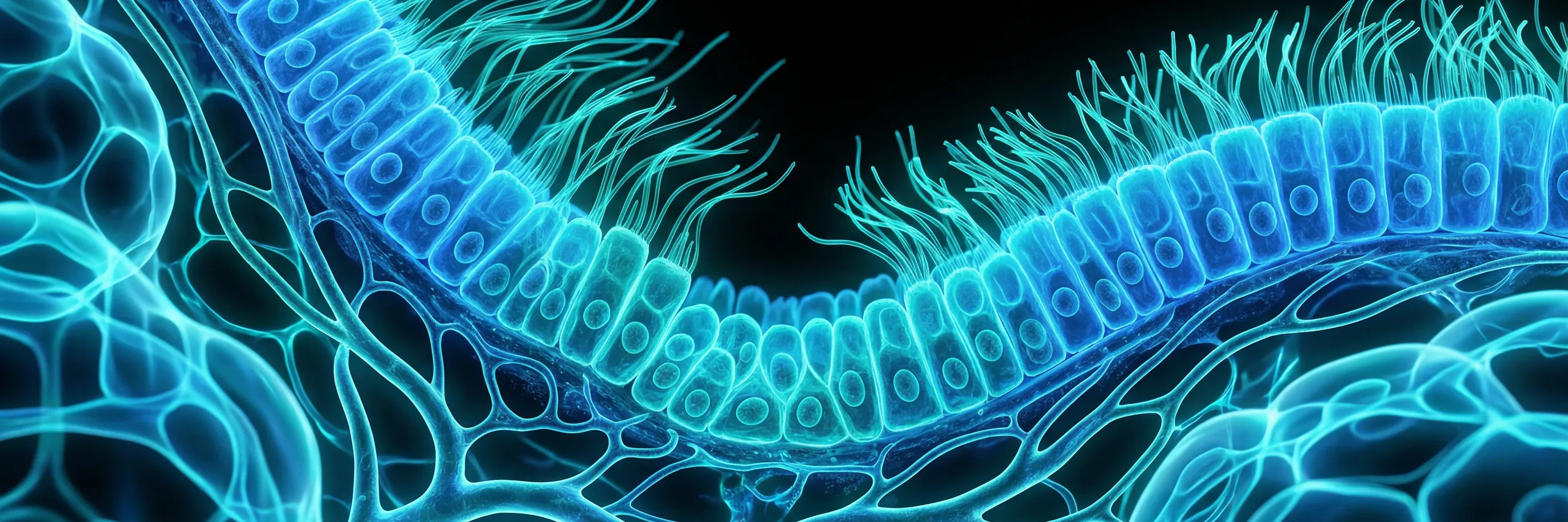
Your lung cilia — the tiny hair-like structures that were paralyzed by cigarette smoke — are regenerating and beginning to sweep accumulated tar and debris out of your airways. This is why you may be coughing more: it's a sign of healing, not damage.
COMMON SYMPTOMS TODAY
FREQUENTLY ASKED QUESTIONS
Is it normal to feel this way 179 hours after quitting smoking?
Yes. At hour 179 (day 8), your body has had no nicotine since hour 72, so what you are feeling is neurological adaptation, not chemical withdrawal. A mix of returning energy and residual fatigue is normal while oxidative damage from years of smoke is being repaired. The symptoms are medium at this stage — a documented part of nicotine withdrawal — and they will pass.
How do I know my body is actually recovering from smoking?
Measure something. Count the stairs before you need a breath, time a walk you take regularly, notice how often you clear your throat. Oxidative stress markers are falling and airway clearance is improving, and those changes show up in ordinary activity before they show up anywhere else.
Does the damage from years of smoking reverse?
Much of it improves. Inflammation falls, cilia regrow, vessels repair, and cardiovascular risk drops steadily from the day you stop. Some structural lung damage is permanent, which is precisely why the sooner you stop, the more you keep.
Get hour-by-hour guidance, push notification briefings, and audio coaching delivered to your phone.

