ГОДИНА 14 З 336Відновлення функції нейтрофілів
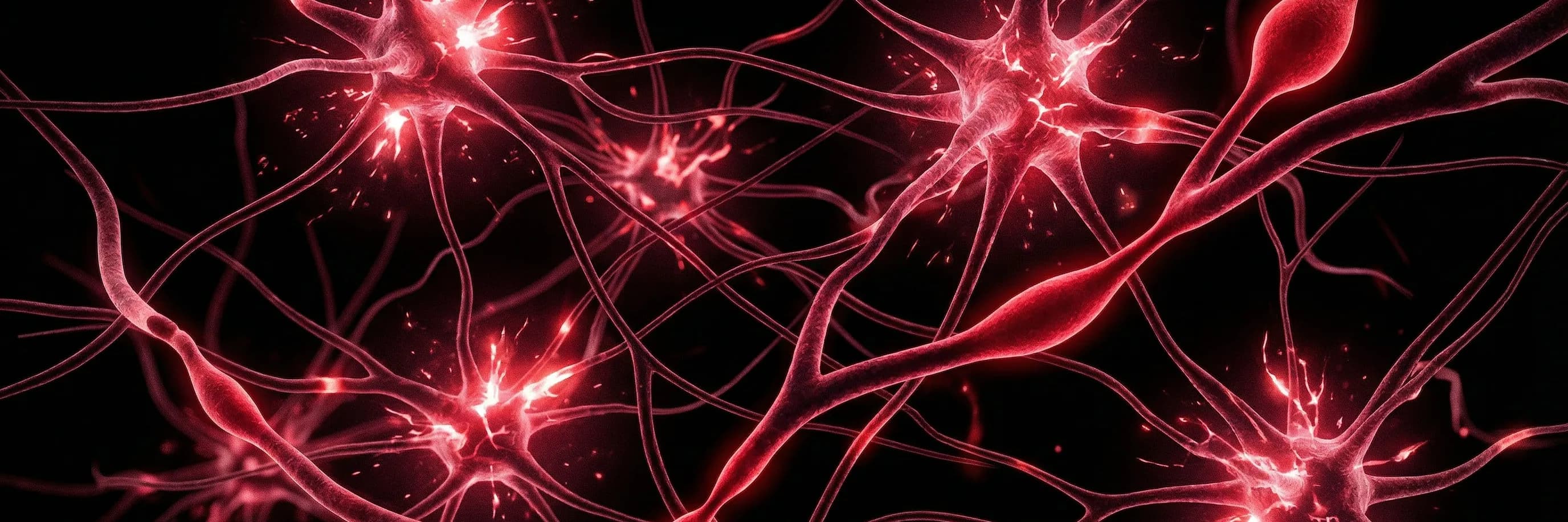
На 14-й годині кидання куріння (день 1) рівень нікотину в крові знизився до 0,8% від початкового рівня. Відновлення функції нейтрофілів: хемотаксис нейтрофілів та фагоцитарна активність, пригнічені хронічним впливом нікотину, починають відновлюватися. Толерантність до фрустрації помітно знижується, оскільки префронтальна кора борється без стимуляції нікотинових рецепторів. Це нормальна та документована стадія нікотинової абстиненції.
ЩО ВІДБУВАЄТЬСЯ У ВАШОМУ ОРГАНІЗМІ
Хемотаксис нейтрофілів та фагоцитарна активність, пригнічені хронічним впливом нікотину, починають відновлюватися. Здатність першої лінії оборони вродженої імунної системи поступово покращується. Сигаретний дим містить понад 7000 хімічних речовин — нікотин викликає залежність, але продукти горіння (смола, чадний газ, формальдегід, бензол) завдають найбільшої фізичної шкоди. З очищенням нікотину припиняється постійний вплив цих токсинів.
Зараз — на стадії "Відновлення функції нейтрофілів" — ваше тіло все ще переробляє нікотин (залишилося 0,8%).
Нікотин на рівні 0,8% — фактично сліди. Фармакокінетична абстиненція майже завершена. Ваше тіло не було настільки близьким до стану без нікотину з часів до початку регулярного куріння. Смолисті відкладення в дихальних шляхах все ще присутні (їх очищення займе тижні), але активна шкода від кожної нової сигарети назавжди припинилася. Тепер ваше тіло повністю переходить до неврологічної адаптації та відновлення тканин.
Ваша імунна система прокидається. Нейтрофіли — білі кров'яні клітини, що діють як перші рятувальники вашого тіла — були пригнічені нікотином. Їхня здатність виявляти та знищувати патогени була порушена. Це вже починає відновлюватися.
ЯК ВИ СЕБЕ ПОЧУВАЄТЕ
Толерантність до фрустрації помітно знижується, оскільки префронтальна кора борається без стимуляції нікотинових рецепторів.
День часто був часом "винагороджувальної сигарети" для курців — куріння після обіду, перерва в робочому дні, момент розслаблення. Потяг, який ви відчуваєте, — це не голод чи нудьга; це система винагороди вашого мозку, що запитує свою запланований стимул. Дайте їй щось інше: прогулянку, розмову, фрукт.
Куріння має вбудовані ритуали — пачка, запальничка, перша сигарета з ранковою кавою, куріння після їжі — кожен з них є тригером, вплетеним у вашу щоденну рутину. Десятиліття досліджень куріння показують, що ритуальні елементи — пачка в кишені, запальничка в руці, перша затяжка вранці — створюють психологічну залежність, що проходить паралельно та незалежно від нікотинової залежності. Зараз ви боретеся з обома одночасно, і саме це робить перші 72 години такими інтенсивними.
Якщо ви курили роками чи десятиліттями, ваше тіло накопичило шкоду, яка починає відновлюватися з моменту припинення. Кожна година без сигарети — це вимірний прогрес. Кожну годину, коли ви не запалюєте, ваш мозок записує нову точку даних: "Я пережив цей тригер без сигарети." З часом ці точки даних накопичуються в новий стандарт. Але зараз старий стандарт звучить голосно.
ЩО РОБИТИ ПРЯМО ЗАРАЗ
Тримайте кубик льоду в стиснутому кулаку протягом 60 секунд, щоб створити конкуруючий сенсорний сигнал, який перериває ланцюжки тяги.
Запишіть відчуття тяги: тригер, інтенсивність (1-10), час, місце. Ця практика — названа серфінгом спонукань у клінічній літературі — перетворює переважаюче відчуття в дані для спостереження. Більшість людей, які відстежують тягу, виявляють, що вона коротша та менш часта, ніж здається в моменті.
Порушіть ланцюжок ритуалу: якщо ваш тригер зараз — спілкування з друзями, які курять, особливо з алкоголем, майте готову заміщувальну поведінку до настання моменту. Змініть каву на чай, сядьте в іншій кімнаті, зробіть перерву в новому місці. Чекати до моменту накриття тяги, щоб вирішити що робити — занадто пізно.
ЧОГ ОЧІКУВАТИ ЦЮ ГОДИНУ
Цього дня о пообідній порі на 1-й день кидання куріння симптоми абстиненції інтенсивні — це одна з важчих годин. Вашому тілу ще потрібно очистити 0,8% нікотину. Протягом фази гострої абстиненції (дні 1-3) ваше тіло зосереджене на очищенні нікотину та його метаболітів. Нікотин від сигарет розщеплюється та виводиться. Кожна година приносить вимірний прогрес.
ЗМІНИ В ОРГАНІЗМІ
Рівень нікотину: залишилося 0,8%. Ферменти CYP2A6 вашої печінки активно перетворюють нікотин в котинін для ниркового виведення.
Чадний газ очищується з вашої крові. Рівні карбоксигемоглобіну курців знижуються з 3-15% до менше ніж 1% протягом перших 24 годин, різко покращуючи доставку кисню до кожної клітини.
ПОШИРЕНІ СИМПТОМИ СЬОГОДНІ
ПОШИРЕНІ ЗАПИТАННЯ
Чи нормально так почуватися через 14 годин після кидання куріння?
Так. На 14-й годині (день 1) ваше тіло все ще очищає нікотин (залишилося 1%). Симптоми, які ви відчуваєте — вони високі на цій стадії — є документованою частиною нікотинової абстиненції і вони минуть.
Скільки нікотину залишилося в моєму тілі через 14 годин?
Через 14 годин без куріння приблизно 0,8% нікотину залишається у вашому кровотоці. Більшість нікотину була виведена. Ваше тіло знаходиться в заключних стадіях фармакокінетичної абстиненції.
Коли відчуття тяги до куріння досягне піку?
Відчуття тяги зазвичай досягає піку між 24-72 годинами після кидання куріння. Кожна тяга триває 3-5 хвилин — вони здаються нескінченними, але проходять. Ви зараз на 14-й годині, наближаючись до пікової інтенсивності. Важливо знати: кожна тяга, яку ви переживаєте без куріння, послаблює наступну.
Отримайте покроковий посібник, сповіщення з брифінгами та аудіо-коучинг безпосередньо на ваш телефон.