ชั่วโมงที่ 120 จาก 336 ชั่วโมงห้าวันปลอดบุหรี่
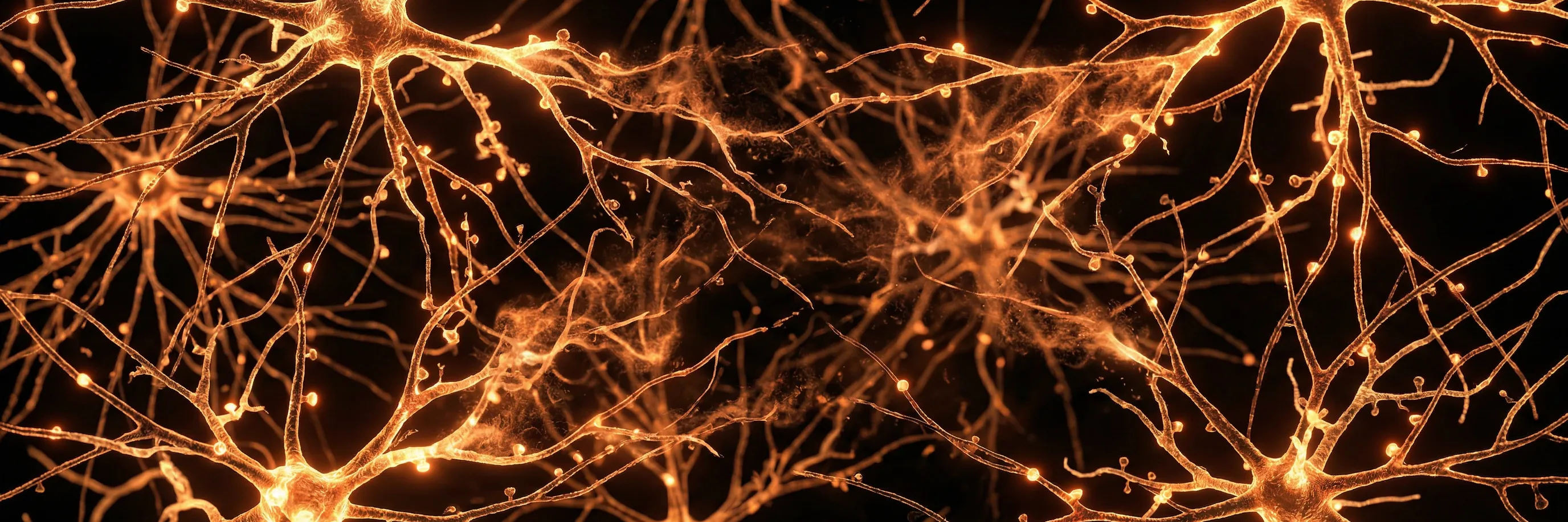
ในชั่วโมงที่ 120 ของการเลิกสูบบุหรี่ (วันที่ 5) นิโคตินถูกขจัดออกจากร่างกายของคุณอย่างสมบูรณ์แล้ว ห้าวันเต็มโดยไม่มีบุหรี่ สมองได้ตัดทอนตัวรับ nAChR ส่วนเกินไปประมาณ 30-40% และอาการอยากเฉลี่ยวันละ 4-5 ครั้ง ซึ่งตอนนี้เป็นเรื่องของสิ่งกระตุ้น ไม่ใช่เรื่องทางกาย ระยะเคมีที่ยากที่สุดอยู่ข้างหลังคุณแล้ว สิ่งที่เหลือคือนิสัย
สิ่งที่เกิดขึ้นในร่างกายของคุณ
ห้าวันเต็มปราศจากนิโคติน สมองได้ตัดทิ้งตัวรับ nAChR ส่วนเกินไปแล้วประมาณ 30-40% การสร้างโดพามีนเริ่มฟื้นตัว ความอยากเฉลี่ย 4-5 ครั้งต่อวันและเป็นเรื่องทางจิตใจมากกว่าทางร่างกาย ระยะที่ยากที่สุดทางระบบเคมีประสาทผ่านไปแล้ว ควันบุหรี่มีสารเคมีกว่า 7,000 ชนิด — นิโคตินเป็นสิ่งที่ทำให้เสพติด แต่ผลพลอยได้จากการเผาไหม้ (น้ำมันดิน คาร์บอนมอนอกไซด์ ฟอร์มัลดีไฮด์ เบนซีน) เป็นสิ่งที่สร้างความเสียหายต่อร่างกายมากที่สุด เมื่อนิโคตินถูกขจัด การได้รับสารพิษเหล่านี้อย่างต่อเนื่องก็หยุดลงด้วย
ในช่วงเวลานี้ — "วันที่ห้าเสร็จสมบูรณ์" — ร่างกายของคุณปราศจากนิโคตินอย่างสมบูรณ์และมุ่งเน้นการฟื้นฟูระบบประสาทและเนื้อเยื่อ
วันที่ 5: ตัวรับส่วนเกินประมาณ 36% ได้ถูกตัดทิ้งไปแล้ว ระบบหัวใจและหลอดเลือดของคุณแสดงสัญญาณการฟื้นตัว — ความเหนียวของเกล็ดเลือดกำลังปกติ ลดความเสี่ยงการเกิดลิ่มเลือด ความเครียดออกซิเดทีฟเรื้อรังจากผลพลอยได้ของการเผาไหม้ของบุหรี่กำลังลดลง จำนวนเม็ดเลือดขาวของคุณที่เพิ่มขึ้นระหว่างการสูบบุหรี่เพื่อต่อสู้กับการรุกรานอย่างต่อเนื่อง กำลังเริ่มปกติ
สมองของคุณตัดทิ้งตัวรับนิโคตินส่วนเกินไปแล้วประมาณ 30-40% ระบบโดพามีนของคุณกำลังฟื้นตัว — ยังไม่กลับสู่ปกติ แต่กลไกการทำงานกำลังเริ่มขึ้น สิ่งที่รู้สึกจืดชืดเมื่อไม่กี่วันก่อน — ดนตรี อาหาร การสนทนาที่ดี — อาจเริ่มมีสีสันมากขึ้น นั่นคือระบบรางวัลธรรมชาติของคุณกำลังกลับมาทำงาน
สิ่งที่คุณรู้สึก
ความมั่นใจที่เติบโตขึ้นผสมผสานกับการตระหนักในความเปราะบาง — ความตั้งใจที่สมจริงแต่แข็งแกร่งขึ้น
ช่วงเย็นมีความสัมพันธ์อันแน่นแฟ้นกับผู้สูบบุหรี่ — มวนผ่อนคลาย มวนหลังอาหาร มวนยามพักผ่อนที่ระเบียง เหล่านี้เป็นพิธีกรรมความสบายใจ ไม่ใช่แค่การส่งมอบนิโคติน การแทนที่ต้องการมากกว่าการหลีกเลี่ยงบุหรี่ แต่ต้องสร้างกิจวัตรผ่อนคลายแบบใหม่อย่างจริงจัง เครื่องดื่มอุ่น ๆ การยืดเส้นยืดสายเบา ๆ หรือการอ่านหนังสือสามารถส่งสัญญาณ "วันกำลังจะจบ" ไปยังสมองของคุณโดยไม่ต้องสูบบุหรี่
สำหรับผู้สูบบุหรี่ ระยะนี้ถูกครอบงำด้วยตัวกระตุ้นจากกิจวัตร — ความสัมพันธ์ที่ฝังลึกระหว่างช่วงเวลาเฉพาะในแต่ละวันกับการหยิบบุหรี่ สิ่งกระตุ้นทั่วไปที่สุด 5 อย่าง: กาแฟยามเช้า (ตัวกระตุ้นที่แรงที่สุดสำหรับผู้สูบบุหรี่ส่วนใหญ่) ความพึงพอใจหลังมื้ออาหาร การสังสรรค์ช่วงพักงาน การขับรถ และการผ่อนคลายยามเย็น ตัวกระตุ้นแต่ละอันเรียกเส้นทางประสาทเดียวกันที่นำไปสู่การสูบบุหรี่นับพันครั้งมาแล้ว ข้อเท็จจริงสำคัญ: ตัวกระตุ้นยังคงทำงาน แต่ความอยากที่เกิดขึ้นจะอ่อนแอลงทุกครั้งที่คุณไม่ตอบสนอง คุณไม่ได้แค่อดทนผ่านช่วงเวลาเหล่านี้ — คุณกำลังต่อสายใหม่อย่างจริงจังโดยเลือกตอบสนองแบบอื่น
สิ่งที่ต้องทำตอนนี้
ให้รางวัลตัวเองด้วยของขวัญที่ไม่ใช่อาหารและไม่ใช่สารเสพติดที่คุณต้องการมานาน — หนังสือ หนัง การอาบน้ำนาน ๆ — เพื่อเสริมสร้างความเชื่อมโยงของสมองระหว่างการงดเว้นกับรางวัล
กลยุทธ์ทางสังคมสำหรับผู้สูบบุหรี่: นี่เป็นสัปดาห์ที่ตัวกระตุ้นทางสังคมรุนแรงที่สุด หากที่ทำงานของคุณมีพื้นที่สูบบุหรี่ ให้หลีกเลี่ยง — แม้ว่าจะต้องสูญเสียการเชื่อมต่อทางสังคมชั่วคราวก็ตาม ไปพักที่อื่น เดิน อย่ายืน
หากคุณมีคู่ครองหรือเพื่อนร่วมห้องที่สูบบุหรี่ นี่เป็นสถานการณ์ที่ยากที่สุด คุยกันตรงไปตรงมา: "ฉันต้องการให้คุณไม่เสนอบุหรี่ให้ฉันและไม่สูบในพื้นที่ร่วมกันเป็นเวลา 2 สัปดาห์หน้า" คนส่วนใหญ่จะเคารพสิ่งนี้ หากไม่ นั่นบอกบางสิ่งที่สำคัญเกี่ยวกับความสัมพันธ์
ตัวกระตุ้นหลังอาหาร: บุหรี่หลังอาหารเป็นหนึ่งในความสัมพันธ์ที่แรงที่สุดของการสูบบุหรี่ แทนที่ด้วยการกระทำที่ส่งสัญญาณ "มื้ออาหารจบแล้ว" ไปยังสมองของคุณ: แปรงฟันทันที เดินเล็กน้อย หรือเคี้ยวหมากฝรั่งรสมิ้นต์แรง สัญญาณต้องเป็นทางกายภาพและทันที
สิ่งที่คาดหวังในชั่วโมงนี้
เมื่อค่ำคืบหน้าไปในวันที่ 5 ของการเลิกสูบบุหรี่ นี่เป็นช่วงเวลาหมุดหมายในการฟื้นตัวของคุณ ร่างกายของคุณปลอดนิโคตินอย่างสมบูรณ์ — อาการที่เหลือทั้งหมดเป็นการปรับตัวของระบบประสาท ไม่ใช่การถอนทางเคมี คุณอยู่ในระยะการถอนสูงสุด (วันที่ 4-7) วันที่ 6 และ 7 เป็นเขตของสิ่งกระตุ้นมากกว่าเรื่องเคมี ตอนนี้คุณนั่งผ่านสิ่งกระตุ้นประจำวันของคุณมาแล้วอย่างน้อยห้าครั้งทุกอัน ทำแบบนั้นต่อไป และปล่อยให้จำนวนครั้งไต่ขึ้นเรื่อย ๆ
การเปลี่ยนแปลงของร่างกาย
ระดับนิโคติน: 0% — ถูกขจัดออกจากกระแสเลือดอย่างสมบูรณ์ ร่างกายของคุณบรรลุการขจัดนิโคตินอย่างเต็มที่ที่ชั่วโมงที่ 72
การลดจำนวนตัวรับนิโคติน acetylcholine กำลังเกิดขึ้นอย่างแข็งขันในสมองของคุณ ตัวรับส่วนเกินที่สะสมมาหลายปีจากการสูบบุหรี่กำลังถูกตัดทิ้งกลับสู่ระดับพื้นฐานของผู้ไม่สูบบุหรี่
อาการทั่วไปวันนี้
คำถามที่พบบ่อย
เป็นเรื่องปกติหรือไม่ที่จะรู้สึกแบบนี้หลังจากเลิกสูบบุหรี่ 120 ชั่วโมง?
ใช่ ที่ชั่วโมงที่ 120 (วันที่ 5) ร่างกายของคุณปลอดนิโคตินอย่างสมบูรณ์และกำลังผ่านการปรับตัวของระบบประสาท การไปถึงหมุดหมายไม่ได้แปลว่าจะรู้สึกดี — ความมึนงง ความอ่อนล้า และความหงุดหงิด ล้วนมีการบันทึกไว้ในจุดนี้ และมันจะผ่านไป
การมาถึงชั่วโมงที่ 120 (วันที่ 5) โดยไม่สูบบุหรี่มีความสำคัญอย่างไร?
ชั่วโมงที่ 120 เป็นก้าวสำคัญ ห้าวันเต็มปลอดนิโคติน สมองได้ตัดทอนตัวรับ nAChR ส่วนเกินไปประมาณ 30-40% และอาการอยากลดลงเหลือราววันละ 4-5 ครั้ง แต่ละหมุดหมายที่คุณไปถึงเพิ่มโอกาสการเลิกอย่างถาวรอย่างมาก — ข้อมูลแสดงว่าคนที่ไปถึงวันที่ 5 มีแนวโน้มสูงกว่าอย่างมีนัยสำคัญที่จะเลิกได้ในระยะยาว
ห้าวันหลังบุหรี่มวนสุดท้าย ฉันผ่านช่วงที่แย่ที่สุดมาแล้วหรือยัง?
ส่วนที่เป็นเคมี ใช่ — นิโคตินอยู่ที่ศูนย์ตั้งแต่ชั่วโมงที่ 72 และช่วงเคมีประสาทที่หนักที่สุดอยู่ข้างหลังคุณแล้ว สิ่งที่เหลือคือการวางเงื่อนไข: บุหรี่ที่คุณผูกไว้กับกาแฟ มื้ออาหาร การขับรถ และการพักงาน อาการอยากเหล่านั้นกินเวลาสามถึงห้านาที และจางลงทุกครั้งที่คุณไม่ป้อนมัน
รับคำแนะนำทุกชั่วโมง การแจ้งเตือนสรุป และการโค้ชเสียงที่ส่งตรงถึงโทรศัพท์ของคุณ