JAM 110 DARI 336Penyesuaian Tingkat Metabolisme
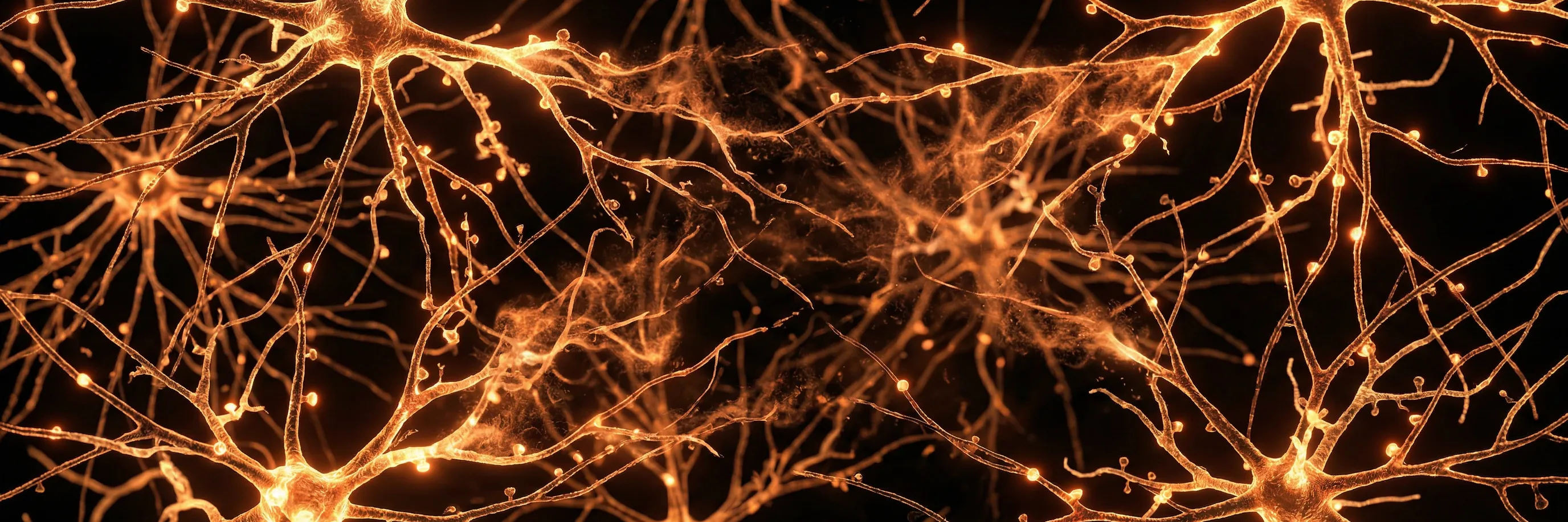
Pada jam ke-110 berhenti merokok (hari ke-5), nikotin telah sepenuhnya dibersihkan dari tubuh Anda. Penyesuaian Tingkat Metabolisme: Tingkat metabolisme istirahat telah menurun sekitar 150-200 kalori per hari dibandingkan dengan vaping aktif. Kekhawatiran tentang potensi kenaikan berat badan menambah lapisan stres tambahan pada pengalaman putus obat. Ini adalah tahap normal dan terdokumentasi dari putus nikotin.
APA YANG TERJADI DALAM TUBUH ANDA
Tingkat metabolisme istirahat telah menurun sekitar 150-200 kalori per hari dibandingkan dengan merokok aktif. Ini mencerminkan hilangnya efek termogenik nikotin melalui aktivasi uncoupling protein-1 di jaringan adiposa coklat. Manajemen berat badan memerlukan penyesuaian sadar. Asap rokok mengandung lebih dari 7.000 bahan kimia — nikotin yang membuat Anda kecanduan, tetapi produk sampingan pembakaran (tar, karbon monoksida, formaldehida, benzena) yang menyebabkan kerusakan fisik paling parah. Saat nikotin dibersihkan, demikian pula paparan konstan terhadap racun-racun ini.
Saat ini — "Penyesuaian Tingkat Metabolisme" — tubuh Anda sepenuhnya bebas nikotin dan fokus pada pemulihan neurologis dan jaringan.
Hari ke-5: sekitar 36% reseptor berlebih telah dipangkas. Sistem kardiovaskular Anda sudah menunjukkan perbaikan — kelengketan trombosit kembali normal, mengurangi risiko pembekuan. Stres oksidatif kronis dari produk sampingan pembakaran rokok mulai mereda. Jumlah sel darah putih Anda, yang meningkat selama merokok aktif karena sistem imun melawan serangan konstan, mulai kembali normal.
APA YANG ANDA RASAKAN
Kekhawatiran tentang potensi kenaikan berat badan menambah lapisan stres tambahan pada pengalaman putus obat.
Sore hari sering kali saat perokok mengalami "rokok hadiah" — sebatang rokok setelah makan siang, istirahat dari hari kerja, momen dekompresi. Dorongan yang Anda rasakan bukanlah lapar atau bosan; itu sistem reward otak Anda meminta masukan terjadwalnya. Berikan sesuatu yang lain: jalan kaki, percakapan, sepotong buah.
Bagi perokok, fase ini didominasi oleh pemicu rutinitas — asosiasi yang tertanam dalam antara momen harian tertentu dan meraih rokok. Lima yang paling umum: kopi pagi (pemicu tunggal terkuat bagi kebanyakan perokok), kepuasan setelah makan, sosialisasi istirahat kerja, mengemudi, dan relaksasi malam. Setiap pemicu mengaktifkan jalur neural yang sama yang mengarah ke rokok ribuan kali sebelumnya. Wawasan kunci: pemicu mengaktifkan, tetapi hasrat yang dihasilkannya semakin lemah setiap kali Anda tidak bertindak. Anda tidak hanya bertahan melalui momen-momen ini — Anda secara aktif mengubah kabelnya dengan memilih respons yang berbeda.
APA YANG HARUS DILAKUKAN SEKARANG
Tambahkan sesi latihan resistensi 15 menit (squat bodyweight, push-up, plank) untuk mengimbangi sebagian perlambatan metabolisme dan mempertahankan massa otot.
Strategi sosial untuk perokok: Ini adalah minggu di mana pemicu sosial mencapai puncak. Jika tempat kerja Anda memiliki area merokok, hindari — meskipun itu berarti kehilangan koneksi sosial sementara. Ambil istirahat di tempat lain. Berjalan, jangan berdiri.
Jika Anda memiliki pasangan atau teman sekamar yang merokok, ini adalah konfigurasi tersulit. Lakukan percakapan jujur: "Saya perlu Anda tidak menawarkan rokok dan tidak merokok di ruang bersama selama dua minggu ke depan." Kebanyakan orang akan menghargai ini. Jika tidak, itu memberi tahu Anda sesuatu yang penting tentang hubungan tersebut.
Pemicu makanan: Rokok setelah makan adalah salah satu asosiasi merokok terkuat. Gantikan dengan tindakan yang memberi sinyal "makan selesai" ke otak Anda: sikat gigi langsung, jalan kaki singkat, atau kunyah permen karet mint kuat. Sinyal perlu fisik dan langsung.
APA YANG DIHARAPKAN JAM INI
Sore ini pada hari ke-5 berhenti merokok, gejala putus obat sedang — terasa tetapi dapat ditangani. Tubuh Anda sepenuhnya bebas nikotin — semua gejala yang tersisa adalah adaptasi neurologis, bukan putus obat kimia. Anda berada dalam fase Puncak Putus Obat (Hari 4-7). Nikotin sudah lama hilang — yang Anda alami sekarang adalah sistem reseptor otak Anda yang menyesuaikan kembali untuk berfungsi tanpa hit nikotin reguler dari rokok.
PERUBAHAN TUBUH
Tingkat nikotin: 0% — sepenuhnya dibersihkan dari aliran darah Anda. Tubuh Anda mencapai pembersihan nikotin lengkap pada jam ke-72.
Downregulasi reseptor nikotinik asetilkolin sedang terjadi secara aktif di otak Anda. Reseptor berlebih yang terbentuk selama bertahun-tahun merokok sedang dipangkas kembali menuju baseline non-perokok.
GEJALA UMUM HARI INI
PERTANYAAN YANG SERING DIAJUKAN
Apakah normal merasakan ini 110 jam setelah berhenti merokok?
Ya. Pada jam ke-110 (hari ke-5), tubuh Anda sepenuhnya bebas nikotin dan mengalami adaptasi neurologis. Gejala yang Anda alami — yang sedang pada tahap ini — adalah bagian terdokumentasi dari putus nikotin dan akan berlalu.
Mengapa saya masih merasa buruk pada hari ke-5 jika nikotin sudah keluar dari tubuh saya?
Nikotin dibersihkan dari tubuh Anda sekitar jam ke-72, tetapi otak Anda masih menyesuaikan kembali. Merokok menyebabkan otak Anda menumbuhkan reseptor nikotinik asetilkolin ekstra untuk menangani pasokan nikotin konstan. Sekarang pasokan itu hilang, reseptor berlebih tersebut sedang dipangkas — proses yang disebut downregulasi. Ini membutuhkan waktu berhari-hari hingga berminggu-minggu. Yang Anda rasakan bukan lagi putus obat kimia; ini otak Anda yang secara fisik mengubah kabelnya sendiri. Ini kemajuan, meskipun tidak terasa seperti itu.
Dapatkan panduan jam demi jam, briefing notifikasi push, dan pelatihan audio langsung ke ponsel Anda.