HOUR 107 OF 336Immune Surveillance Strengthening
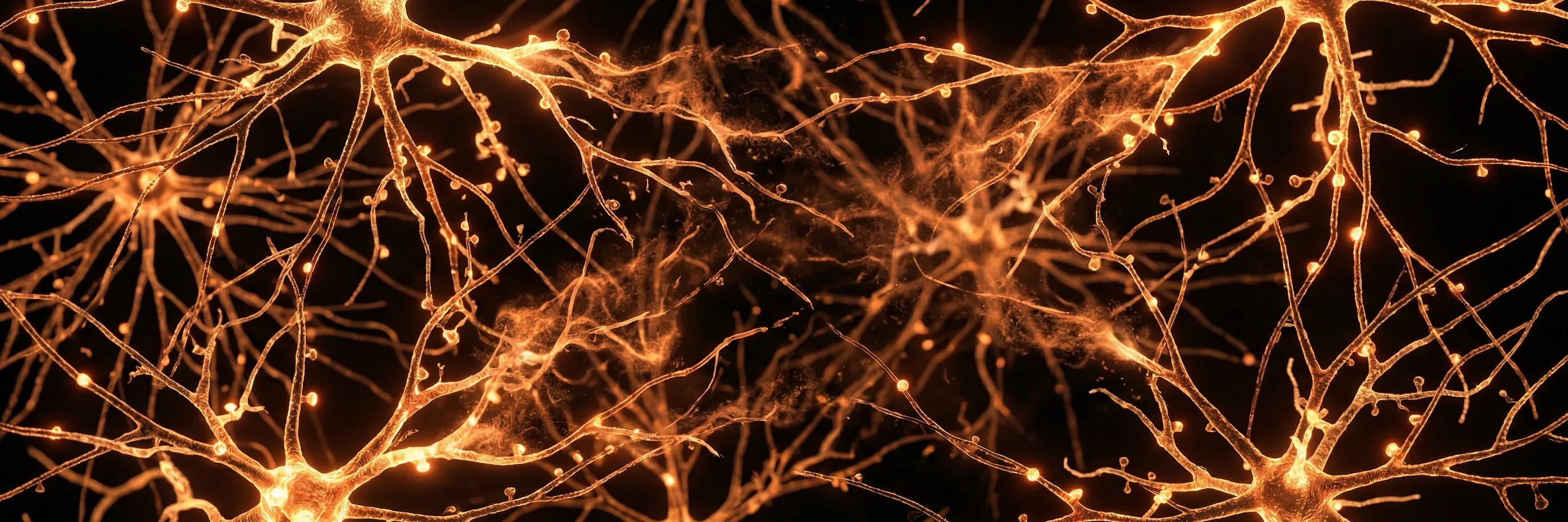
At hour 107 of quitting smoking (day 5), nicotine has been completely cleared from your body. Natural killer cell activity is recovering — nicotine had suppressed it by 30-40%. You will feel nothing from this, but your body's surveillance against infected and pre-cancerous cells is measurably stronger than on the day of your last cigarette. Not every gain on day 5 is one you can feel.
WHAT'S HAPPENING IN YOUR BODY
Natural killer (NK) cell cytotoxic activity is improving. Nicotine had suppressed NK cell function by 30-40% via nAChR-mediated inhibition of perforin and granzyme release. Restored NK function strengthens the body's first-line defense against virally infected and pre-cancerous cells. Cigarette smoke contains over 7,000 chemicals — the nicotine is what hooks you, but the combustion byproducts (tar, carbon monoxide, formaldehyde, benzene) are what cause the most physical damage. As nicotine clears, so does the constant exposure to these toxins.
At this moment — "Natural Killer Cell Recovery" — your body is completely nicotine-free and focused on neurological and tissue recovery.
Day 5: approximately 36% of surplus receptors have been pruned. Your cardiovascular system is already showing improvement — platelet stickiness is normalizing, reducing clot risk. The chronic oxidative stress from cigarette combustion byproducts is subsiding. Your white blood cell count, elevated during active smoking as your immune system fought constant insult, is beginning to normalize.
HOW YOU'RE FEELING
No subjective awareness of immune improvement, but the body's cancer surveillance system is measurably strengthening.
Morning hours carry heavy trigger load for smokers — the commute, the work break, the mid-morning coffee. Each of these was a smoking ritual. Today, each one you pass through without a cigarette weakens the association. It doesn't feel like progress, but it is.
For smokers, this phase is dominated by routine triggers — the deeply wired associations between specific daily moments and reaching for a cigarette. The five most common: morning coffee (the strongest single trigger for most smokers), post-meal satisfaction, work break socializing, driving, and the evening wind-down. Each trigger fires the same neural pathway that led to a cigarette thousands of times before. The key insight: the trigger fires, but the craving it produces is weaker each time you don't act on it. You're not just enduring these moments — you're actively rewiring them by choosing a different response.
WHAT TO DO RIGHT NOW
Get 7-8 hours of sleep tonight — a single night of sleep deprivation reduces NK cell activity by up to 70%, undermining the recovery you are building.
Social strategy for smokers: This is the week where social triggers peak. If your workplace has a smoking area, avoid it — even if it means losing the social connection temporarily. Take your breaks somewhere else. Walk, don't stand.
If you have a partner or roommate who smokes, this is the hardest configuration. Have an honest conversation: "I need you to not offer me cigarettes and not smoke in shared spaces for the next two weeks." Most people will respect this. If they don't, that tells you something important about the relationship.
Meal triggers: The post-meal cigarette is one of the strongest smoking associations. Replace it with an action that signals "meal is over" to your brain: brush your teeth immediately, take a short walk, or chew strong mint gum. The signal needs to be physical and immediate.
WHAT TO EXPECT THIS HOUR
During this morning stretch on day 5 of quitting smoking, withdrawal symptoms are moderate — noticeable but handleable. Your body is completely free of nicotine — all remaining symptoms are neurological adaptation, not chemical withdrawal. You're in the Peak Withdrawal phase (Days 4-7). Today's progress is mostly invisible, which makes it easy to discount. Judge the day by whether you smoked, not by how you felt. The two are not the same measurement.
BODY CHANGES
Nicotine level: 0% — completely cleared from your bloodstream. Your body achieved full nicotine clearance at hour 72.
Nicotinic acetylcholine receptor downregulation is actively occurring in your brain. The excess receptors built up over years of smoking is being pruned back toward non-smoker baseline.
COMMON SYMPTOMS TODAY
FREQUENTLY ASKED QUESTIONS
Is it normal to feel this way 107 hours after quitting smoking?
Yes. At hour 107 (day 5), your body is completely free of nicotine and undergoing neurological adaptation. Symptoms are medium at this stage. Meanwhile natural killer cell function, suppressed by 30-40% while you were smoking, is measurably recovering.
Why do I seem to catch colds right after quitting smoking?
Your airways are clearing a backlog and your immune profile is shifting, which can make ordinary illness more noticeable in the first weeks. The direction of travel is the opposite: natural killer function is climbing back from 30-40% suppression, so defence improves from here.
Is any of the damage from smoking already reversing at day 5?
Yes. Carbon monoxide is gone, platelet stickiness is normalizing, cilia are clearing your airways again, and immune surveillance is recovering. Not all smoking damage reverses, but a substantial amount of it starts moving in the first week.
Get hour-by-hour guidance, push notification briefings, and audio coaching delivered to your phone.

