HOUR 40 OF 336Kidneys Nearly Finished
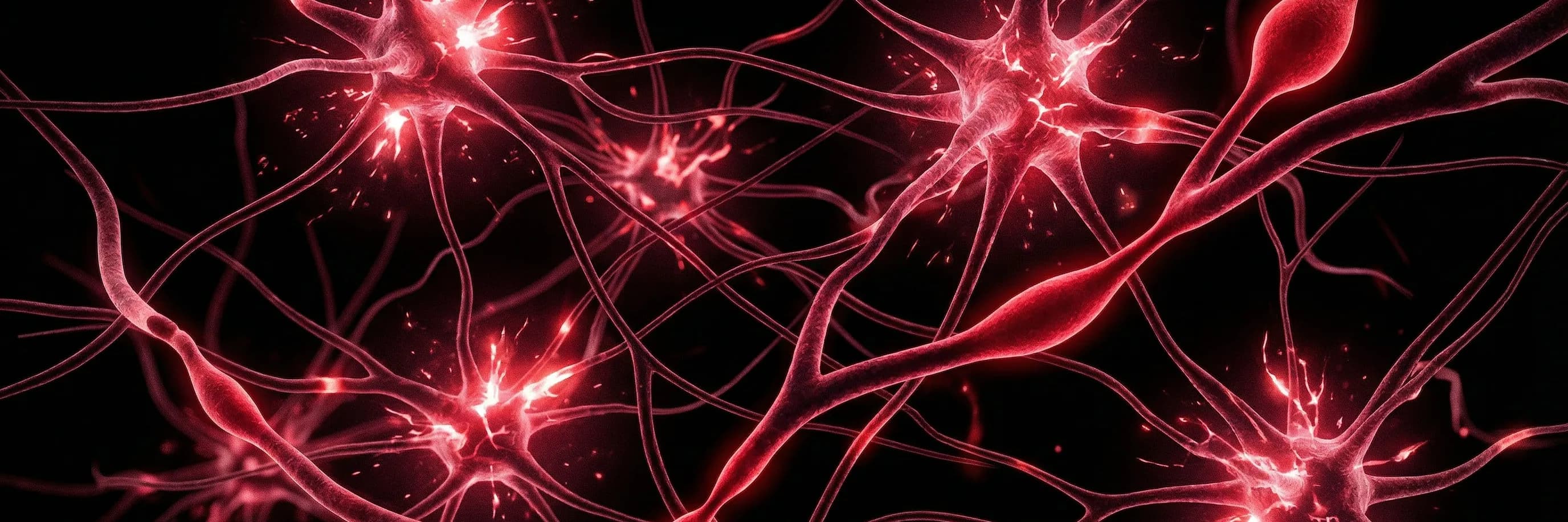
At hour 40 of quitting smoking (day 2), nicotine has been completely cleared from your body. Your kidneys have filtered and excreted the vast majority of nicotine and its metabolites, and urine cotinine is declining toward the threshold where a lab would classify you as a non-smoker. A false confidence can appear here — the I have got this feeling — and it precedes more relapses than despair. One cigarette to prove it would restart the clock.
WHAT'S HAPPENING IN YOUR BODY
Kidneys have filtered and excreted the vast majority of nicotine and its primary metabolites. Urine cotinine levels, while still detectable, are declining steadily toward the threshold of non-smoker classification. Cigarette smoke contains over 7,000 chemicals — the nicotine is what hooks you, but the combustion byproducts (tar, carbon monoxide, formaldehyde, benzene) are what cause the most physical damage. As nicotine clears, so does the constant exposure to these toxins.
At this moment — "Renal Nicotine Clearance Completing" — your body is completely nicotine-free and focused on neurological and tissue recovery.
Your bloodstream is now nicotine-free — a state it hasn't been in since you became a regular smoker. For someone who smoked a pack a day, that's roughly 200 doses of nicotine per day, 7,300 per year, each one reinforcing the neural pathways of addiction. All of that input has stopped. Your body's repair mechanisms, which were constantly fighting new damage while you smoked, can now focus entirely on healing. The 7,000+ chemicals — carcinogens like benzene, formaldehyde, and acrolein — are no longer being delivered.
Your kidneys have nearly finished the job. The vast majority of nicotine and its metabolites have been filtered out of your blood and excreted. Cotinine levels are dropping steadily toward the point where a lab test would classify you as a non-smoker. Your body is physically becoming a non-user's body.
HOW YOU'RE FEELING
A false sense of confidence may emerge briefly, sometimes called the 'I've got this' phenomenon, which can precede relapse if not managed.
Afternoon is often when smokers experienced the "reward cigarette" — a smoke after lunch, a break from the workday, a moment of decompression. The urge you feel isn't hunger or boredom; it's your brain's reward system asking for its scheduled input. Give it something else: a walk, a conversation, a piece of fruit.
Smoking has built-in rituals — the pack, the lighter, the first cigarette with morning coffee, the post-meal smoke — each one a trigger wired into your daily routine. Decades of smoking research show that the ritual elements — the pack in your pocket, the lighter in your hand, the first inhale of the morning — create psychological dependency that runs parallel to and independent of nicotine addiction. You're fighting both simultaneously right now, and that's what makes the first 72 hours so intense.
If you've smoked for years or decades, your body has accumulated damage that begins reversing the moment you stop. Every hour without a cigarette is measurable progress. Every hour you don't light up, your brain is recording a new data point: "I survived this trigger without a cigarette." Over time, these data points accumulate into a new default. But right now, the old default is loud.
WHAT TO DO RIGHT NOW
Increase water intake to 3 liters for the day to support continued renal clearance of cotinine and other residual metabolites.
When the craving hits — like driving, especially longer commutes where smoking was routine — use the 4-7-8 breathing technique: inhale 4 seconds, hold 7, exhale 8. The extended exhale activates your parasympathetic nervous system and lowers the cortisol spike driving the craving. It will pass in 90 seconds.
Cold water technique: Drink a full glass of ice water as fast as you comfortably can. The cold sensation and the act of drinking occupy both your oral fixation and your vagus nerve. Follow it with a strong mint — the sharp flavor replaces the throat sensation of smoke.
WHAT TO EXPECT THIS HOUR
This afternoon on day 2 of quitting smoking, withdrawal symptoms are at peak intensity — this is as hard as it gets. Your body is completely free of nicotine, so the remaining symptoms are neurological adaptation. Watch for the moment you feel suddenly capable and start thinking one cigarette would settle things; that thought is the most dangerous one on day 2. Your kidneys are days from clearing the last chemical evidence of smoking. Each hour brings measurable progress.
BODY CHANGES
Nicotine level: 0% — completely cleared from your bloodstream, with full clearance at hour 72. Your kidneys have excreted nearly all nicotine and its primary metabolites, and urine cotinine is falling toward non-smoker range.
COMMON SYMPTOMS TODAY
FREQUENTLY ASKED QUESTIONS
Is it normal to feel this way 40 hours after quitting smoking?
Yes. At hour 40 (day 2), your body is completely free of nicotine and undergoing neurological adaptation, and symptoms are at their peak intensity right now. Alternating despair and unearned confidence are both documented in the 24-72 hour window. Treat the confident hours with the same caution as the hard ones.
How much nicotine is left in my body after 40 hours?
After 40 hours without smoking, approximately 0.0% of nicotine remains in your bloodstream, and it is effectively zero by hour 72. Your kidneys have already excreted the bulk of the metabolites. All remaining symptoms are neurological, not chemical.
Would one cigarette really undo two days of quitting?
Chemically it re-doses receptors that are 40 hours into recalibration, and behaviorally it reconfirms that smoking is still an option when things get hard. You would be back at hour zero of the 24-72 hour peak you are currently most of the way through. The craving that is arguing for it lasts 3-5 minutes; the reset lasts days.
Get hour-by-hour guidance, push notification briefings, and audio coaching delivered to your phone.