GODZINA 322 Z 336Cancer Risk Trajectory Changed
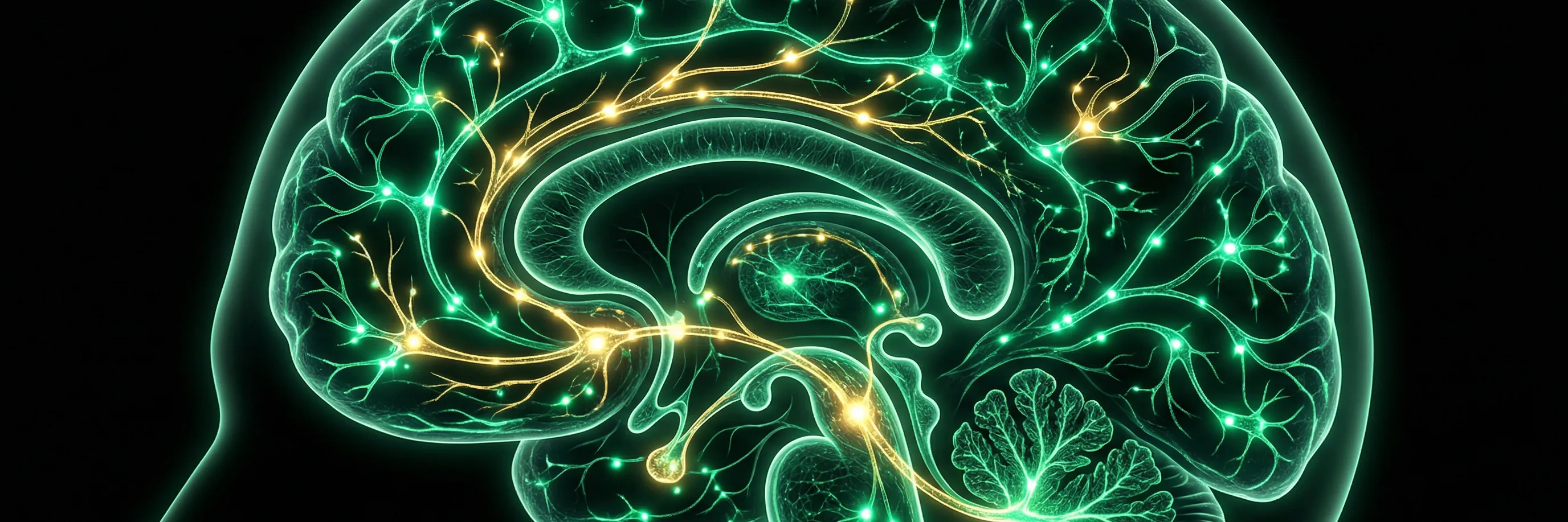
At hour 322 of quitting vaping (day 14), nicotine has been completely cleared from your body. Cancer Risk Trajectory Changed: The dose-response relationship between smoking and cancer risk has been interrupted. Each smoke-free hour bends the risk curve further — you are now on the trajectory of declining, not accumulating, cancer risk. This is a normal and documented stage of vaping withdrawal.
CO DZIEJE SIĘ W TWOIM CIELE
The dose-response relationship between vaping and cancer risk has been interrupted. While full risk normalization takes years, the exponential damage accumulation curve has been permanently broken. For vapers specifically, the nicotine salt formulations used in modern devices deliver nicotine more efficiently than freebase nicotine in cigarettes, which means your receptors were exposed to higher peak concentrations.
At this moment — "Cancer Risk Trajectory Changed" — your body is completely nicotine-free and focused on neurological and tissue recovery.
Day 14: the finish line is in sight. Your brain receptor density, dopamine sensitivity, and cholinergic function are all approaching non-vaper baseline. The physiological addiction is broken. What remains is behavioral — the habit patterns, the associations, the situational triggers. These fade with time and practice, but they don't have the neurological urgency that drove the first two weeks.
JAK SIĘ CZUJESZ
Each smoke-free hour bends the risk curve further — you are now on the trajectory of declining, not accumulating, cancer risk.
Mid-morning is when many former vapers feel the pull most strongly — this was prime vaping time during commutes, at desks, between meetings. The habitual pattern of reaching for your device during idle moments is deeply wired. Keep your hands occupied and your environment different from your vaping routine.
Your brain is approaching the finish line of the sprint. The neural pathways associated with vaping — the hand-to-mouth circuit, the throat-hit anticipation, the flavor association network — are weakening through disuse. New pathways are forming around your non-vaping coping mechanisms. You may notice that when stress hits, your first thought is no longer "where's my vape?" but something else entirely — a walk, a glass of water, a deep breath. That's the rewiring made visible. Protect this progress fiercely.
CO ROBIĆ TERAZ
Stay current on age-appropriate cancer screenings and inform your physician of your quit date — it changes your risk profile for clinical decision-making.
Future-proofing for vapers: The highest-risk relapse scenarios in the next 30 days are (1) alcohol consumption, which lowers inhibition and often occurs in social settings where others vape, (2) extreme stress events that trigger the old "reach for the vape" circuit, and (3) the "just one puff won't hurt" thought, which is the single most dangerous idea in recovery. One puff re-sensitizes receptors within minutes.
Set your next milestone at 30 days. Then 90. At 90 days, relapse risk drops below 5% for cold turkey quitters. You're building something permanent.
CZEGO SPODZIEWAĆ SIĘ TEJ GODZINY
During this morning stretch on day 14 of quitting vaping, withdrawal symptoms are relatively manageable. Your body is completely free of nicotine — all remaining symptoms are neurological adaptation, not chemical withdrawal. You've reached the New Baseline phase (Days 11-14). Your brain and body are establishing their new normal without vaping. The physiological addiction is broken — what remains is building the habits and identity of your non-vaping life.
ZMIANY W CIELE
Nicotine level: 0% — completely cleared from your bloodstream. Your body achieved full nicotine clearance at hour 72.
Your lung tissue is recovering from chronic exposure to propylene glycol and vegetable glycerin aerosol. The inflammatory response triggered by ultrafine particle deposition is subsiding, and your airways are returning to normal function.
NAJCZĘŚCIEJ ZADAWANE PYTANIA
Is it normal to feel this way 322 hours after quitting vaping?
Yes. At hour 322 (day 14), your body is completely free of nicotine and undergoing neurological adaptation. The symptoms you're experiencing — which are low at this stage — are a documented part of nicotine withdrawal and they will pass.
Am I safe from relapse after 14 days without vaping?
After 14 days, your physiological addiction is largely broken — brain receptor density is approaching non-vaper baseline. But relapse risk doesn't drop to zero. The highest-risk moments in the next month are alcohol consumption, extreme stress, and nostalgia for the ritual. Your defense: identity commitment. You're not "a person who quit vaping" — you're "a person who doesn't vape."
Otrzymuj wskazówki godzina po godzinie, powiadomienia push z briefingami i coaching audio dostarczane na Twój telefon.