GODZINA 96 Z 336Cztery dni bez papierosa
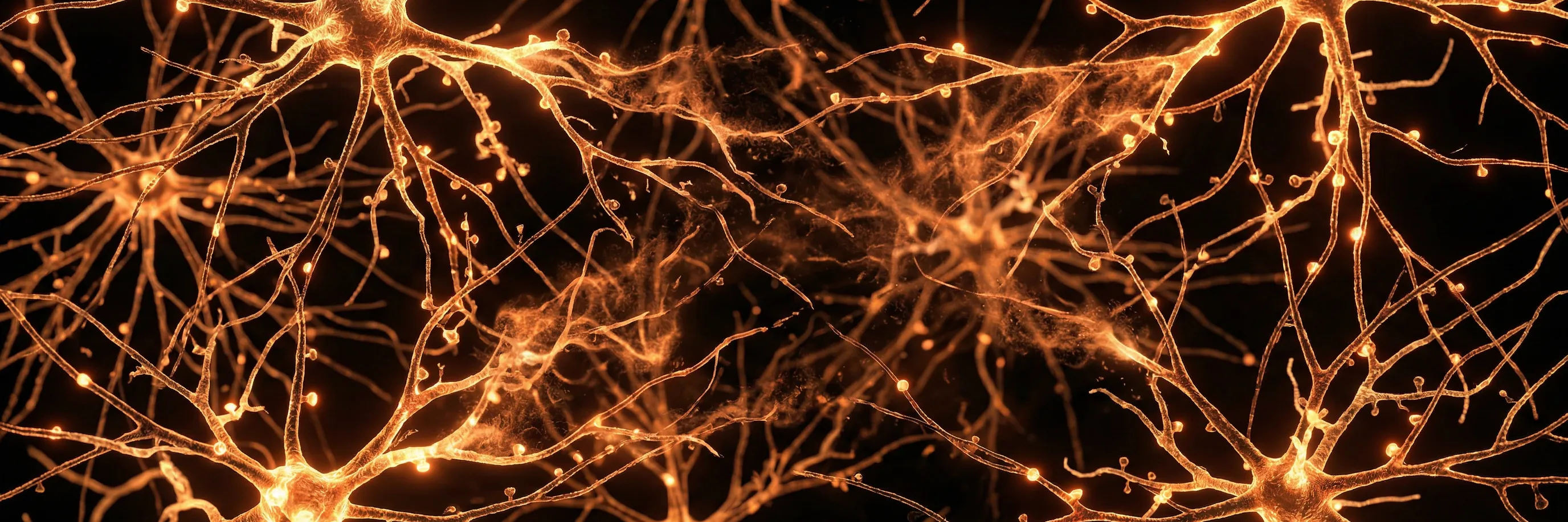
W 96. godzinie rzucania palenia (dzień 4) nikotyna została całkowicie usunięta z organizmu. Cztery pełne dni bez papierosa, a około 20-30% nadmiarowych receptorów nAChR zostało zlikwidowanych. Chemia jest zamknięta; to, co zostało, to pętle bodźcowe — kawa, samochód, fotel po kolacji — oduczane pojedynczo. To normalny i udokumentowany etap zespołu odstawiennego po paleniu.
CO DZIEJE SIĘ W TWOIM CIELE
Four full days without nicotine. Approximately 20-30% of surplus nAChR receptors have been pruned. The brain has survived the deepest dopamine trough and is now building new baseline signaling patterns that do not depend on exogenous nicotine. Cigarette smoke contains over 7,000 chemicals — the nicotine is what hooks you, but the combustion byproducts (tar, carbon monoxide, formaldehyde, benzene) are what cause the most physical damage. As nicotine clears, so does the constant exposure to these toxins.
At this moment — "Day Four Complete" — your body is completely nicotine-free and focused on neurological and tissue recovery.
Day 4: your brain is actively pruning surplus nicotinic acetylcholine receptors — the neurological infrastructure that cigarettes built over years. A pack-a-day habit delivered approximately 200 hits of nicotine daily. That network is being dismantled. Meanwhile, your lungs' mucociliary escalator is reactivating — the tiny cilia paralyzed by hot smoke are regenerating. You may notice increased coughing and mucus. This is healing, not a new symptom.
Here's the number that matters most right now: your brain has pruned roughly twenty to thirty percent of the surplus nicotine receptors it built while you were using nicotine. Those receptors were the source of your worst cravings — each one demanding nicotine it wasn't getting. A quarter of them are already gone. Your brain decided it didn't need them anymore.
JAK SIĘ CZUJESZ
A cautious sense of accomplishment mixed with awareness that the process is far from over.
Evening carries powerful associations for smokers — the wind-down smoke, the after-dinner cigarette, the nightcap on the porch. These are comfort rituals, not just nicotine delivery. Replacing them requires not just avoiding the cigarette but actively creating a new wind-down routine. A warm drink, light stretching, or reading can signal "day is ending" to your brain without the smoke.
For smokers, this phase is dominated by routine triggers — the deeply wired associations between specific daily moments and reaching for a cigarette. The five most common: morning coffee (the strongest single trigger for most smokers), post-meal satisfaction, work break socializing, driving, and the evening wind-down. Each trigger fires the same neural pathway that led to a cigarette thousands of times before. The key insight: the trigger fires, but the craving it produces is weaker each time you don't act on it. You're not just enduring these moments — you're actively rewiring them by choosing a different response.
CO ROBIĆ TERAZ
Mark this milestone visibly — place a physical checkmark on a calendar or update a tracking app, then tell one person you trust about reaching Day 4.
Social strategy for smokers: This is the week where social triggers peak. If your workplace has a smoking area, avoid it — even if it means losing the social connection temporarily. Take your breaks somewhere else. Walk, don't stand.
If you have a partner or roommate who smokes, this is the hardest configuration. Have an honest conversation: "I need you to not offer me cigarettes and not smoke in shared spaces for the next two weeks." Most people will respect this. If they don't, that tells you something important about the relationship.
Meal triggers: The post-meal cigarette is one of the strongest smoking associations. Replace it with an action that signals "meal is over" to your brain: brush your teeth immediately, take a short walk, or chew strong mint gum. The signal needs to be physical and immediate.
CZEGO SPODZIEWAĆ SIĘ TEJ GODZINY
Gdy wieczór 4. dnia rzucania palenia postępuje, docierasz do momentu kamienia milowego w swojej regeneracji. Cztery dni bez papierosa oznaczają, że uzależnienie chemiczne jest zamknięte — reszta opiera się na bodźcach, a bodźce da się oduczyć. Jesteś w fazie szczytowego odstawienia (dni 4-7). Spodziewaj się, że głód będzie nadchodził ze znajomych miejsc — kawa, samochód, chwila po kolacji — i że każdy napad potrwa trzy do pięciu minut i się skończy.
ZMIANY W CIELE
Nicotine level: 0% — completely cleared from your bloodstream. Your body achieved full nicotine clearance at hour 72.
Nicotinic acetylcholine receptor downregulation is actively occurring in your brain. The excess receptors built up over years of smoking is being pruned back toward non-smoker baseline.
NAJCZĘŚCIEJ ZADAWANE PYTANIA
Czy to normalne, że tak się czuję 96 godzin po rzuceniu palenia?
Tak. W 96. godzinie (dzień 4) nikotyny nie ma już w organizmie, a to, co czujesz, to mózg i płuca regenerujące się po latach papierosów. Osiągnięcie kamienia milowego i jednoczesne kiepskie samopoczucie jest w dniu 4 zupełnie normalne. Objawy są na tym etapie nasilone, ale to udokumentowana część zespołu odstawiennego po paleniu i przeminą.
Jakie znaczenie ma osiągnięcie 96 godzin bez palenia?
Godzina 96 to ważny kamień milowy. Cztery pełne dni bez nikotyny, a około 20-30% nadmiarowych receptorów nAChR zostało zlikwidowanych. To właśnie te receptory były źródłem najgorszego głodu — każdy z nich domagał się nikotyny, której nie dostawał, a jednej czwartej z nich już nie ma. Każdy osiągnięty kamień milowy dramatycznie zwiększa Twoje szanse na trwałe zaprzestanie palenia.
Co zmienia się między dniem 4 a dniem 14 rzucania papierosów?
Chemia się kończy, a zaczyna praca nad nawykiem. Rekalibracja receptorów trwa i do dnia 14 zbliża się do poziomu osoby niepalącej. W tym samym oknie wyostrzają się węch i smak, a kaszel regeneracyjny wygasa w kolejnych tygodniach. Głód staje się wyłącznie bodźcowy, więc od teraz chodzi o to, by przejść przez każdą palaczową sytuację raz — bez papierosa.
Otrzymuj wskazówki godzina po godzinie, powiadomienia push z briefingami i coaching audio dostarczane na Twój telefon.