Does nicotine withdrawal cause headaches, and how long do they last?
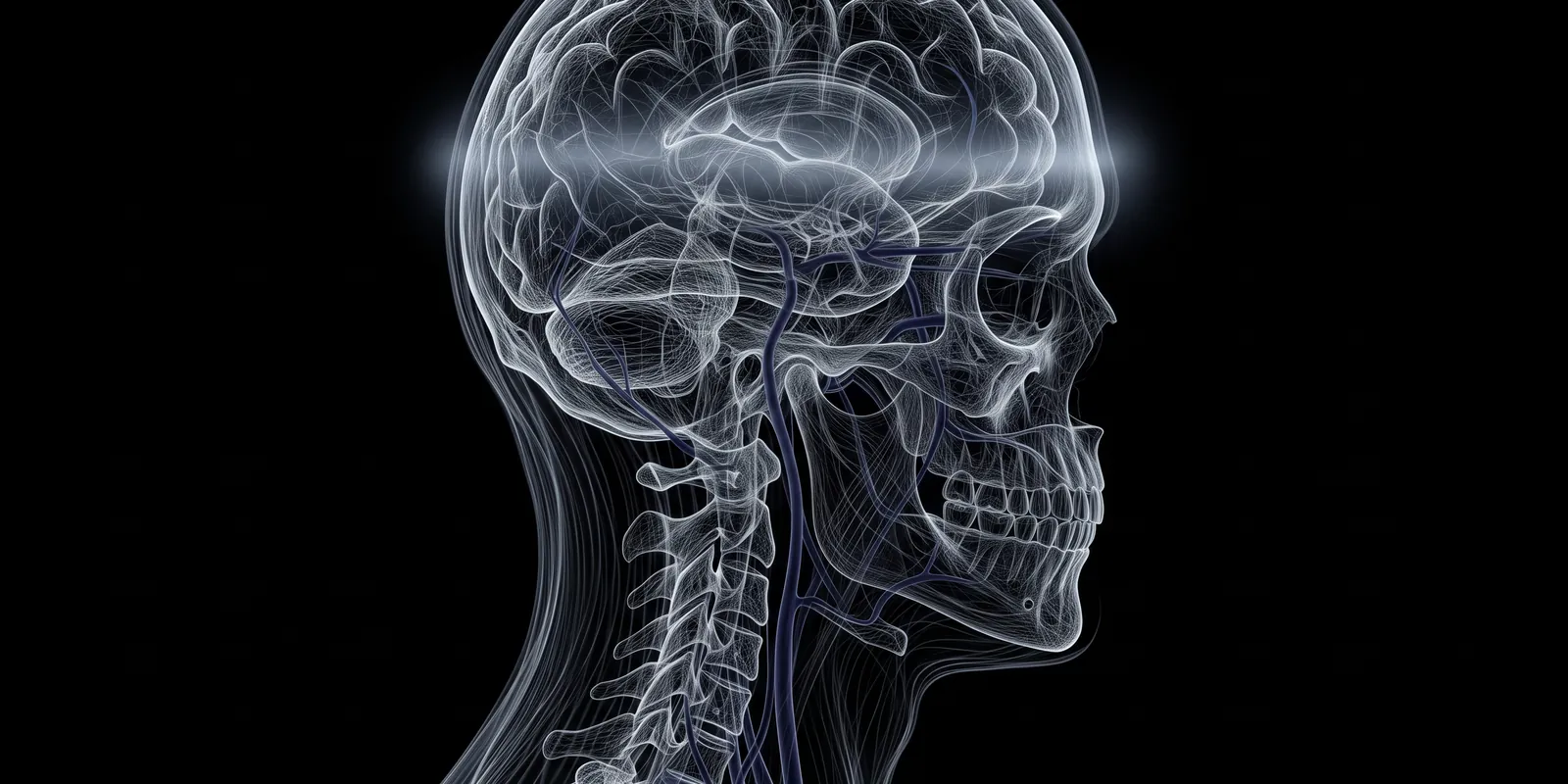
Headaches are often reported after stopping nicotine, but they are a minor and poorly studied part of withdrawal, not a core symptom. Headache is not among the seven withdrawal symptoms in DSM-5, the US National Cancer Institute lists it as a less common symptom, and the main review of controlled studies concluded that headache was not a consistent effect of abstinence. When headaches do occur they tend to fall in the first days, when withdrawal as a whole is at its worst, and settle within two to four weeks. Much of the cause is probably indirect: broken sleep, muscle tension, missed meals and caffeine. In smokers, quitting slows the breakdown of caffeine, so the same coffee intake can more than double the level in the blood. That effect comes from smoke, not nicotine, so it is not expected in people who only vape. Only one trial has tracked headache in people stopping vaping. It followed 59 daily vapers, all former smokers, through six days without nicotine and found no significant rise.
Where headache sits in the withdrawal picture
DSM-5, the diagnostic manual used by psychiatrists, defines tobacco withdrawal by seven symptoms: irritability, frustration or anger; anxiety; difficulty concentrating; increased appetite; restlessness; depressed mood; and insomnia. Headache is not on the list. The US National Cancer Institute places headaches in a second tier of “other, less common” symptoms, alongside fatigue, dizziness, coughing, mouth ulcers and constipation.
The most thorough review of the research, by the withdrawal researcher John Hughes, went further. Looking at controlled studies of people who stopped smoking, it concluded that several physical symptoms, headaches among them, did not appear to be reliable effects of abstinence. The headache specialists’ own classification has named entries for headache caused by withdrawal from caffeine, opioids and oestrogen. Nicotine does not have one.
None of this means the headaches people report are imagined. It means that when researchers compare people who have quit with people who have not, headache does not show up consistently as something nicotine withdrawal itself produces. The likelier explanation is that quitting changes several other things at once, and some of those cause headaches.
Why a quit attempt produces headaches anyway
Sleep is the first candidate. Insomnia is a core withdrawal symptom, and the Hughes review describes it as a particular kind: more waking during the night. Tension is the second. Anxiety and irritability are core symptoms too, and the National Cancer Institute notes that people often feel tightness in the muscles of the neck and shoulders within a day of stopping. The third is routine. The NHS lists stress, not eating regular meals and not drinking enough fluids among the common causes of ordinary headaches, and a quit attempt disrupts all three.
A common explanation online is vascular: nicotine narrows blood vessels, so when it clears they widen and the head aches. It is a reasonable idea, but we could not find a study showing that this is what causes headaches in people who have quit, and it should be treated as a hypothesis. The same goes for claims about “more oxygen reaching the brain”.
The caffeine effect, and why it mostly applies to smokers
Tobacco smoke makes the liver break down caffeine faster. When smoking stops, that effect wears off within days, and caffeine lingers. In a study that followed people for six months after a stop-smoking programme, blood caffeine levels in those who quit were more than double their starting value at twelve and at twenty-six weeks, even though they were drinking the same amount or less. Levels in those who kept smoking barely changed. The CDC’s advice to quitters reflects this: caffeine lasts longer in the body after stopping, so cut back and avoid it late in the day.
More caffeine in the blood means more jitteriness and worse sleep, both of which feed headaches, and the researchers suggested it could be making withdrawal feel worse than it is. The researchers advised people stopping smoking to cut down. Halving caffeine intake is the usual rule of thumb in stop-smoking guidance, though on this study’s figures even that would leave the level somewhat above where it started.
This is a smoke effect, not a nicotine effect. NHS medicines guidance states that the liver enzyme changes are due to components of tobacco smoke rather than nicotine, and that vapes and nicotine replacement do not cause them. So someone who only vapes should not expect their caffeine levels to change when they stop. A smoker who switches to vaping will see the change at the switch, not later.
One caution in the other direction. Caffeine has a withdrawal syndrome of its own, and headache is its signature symptom, occurring in about half of people in experimental studies. Dropping coffee entirely on the same day as nicotine can produce a headache that has nothing to do with nicotine. Reducing is safer than stopping.
What it feels like, and whether it can trigger migraine
There is no clinical description of a “nicotine withdrawal headache”, because it has not been defined or studied as a separate condition. People generally describe a dull, pressing ache across the forehead or around the head, sometimes with a tight neck — the pattern of an ordinary tension-type headache, which fits the sleep and tension explanations above. That description comes from reports, not from research.
On migraine the evidence is thin. A 2023 review found that smoking is more common among people with migraine and that many of them believe smoking makes attacks worse, but very few studies have looked beyond that, or at any product other than cigarettes. Broken sleep, missed meals and stress are ordinary migraine triggers, so an attack in the first week of quitting is plausible. Whether withdrawal itself sets one off has not been shown.
How long the headaches last
No study has measured the course of headaches specifically after quitting nicotine, so the honest answer borrows from withdrawal as a whole. Symptoms are usually worst in the first week, most intense in the first three days, and mostly ease over two to four weeks. Headaches that appear on days one to three and fade within the first week or two fit that pattern.
If caffeine is involved the clock is different. A caffeine withdrawal headache typically starts twelve to twenty-four hours after the last dose, peaks at around one to two days and lasts between two and nine days. If raised caffeine is contributing, in a smoker who has quit, it can go on doing so for as long as intake stays the same: in the caffeine study, levels were still more than double at six months. A headache that is still present most days after a month is unlikely to be explained by withdrawal and is worth raising with a doctor.
What actually helps
The measures with support behind them are unglamorous. Drink enough water, eat regular meals and keep sleep hours steady; the NHS advises against sleeping more than usual, which can make a headache worse. Paracetamol or ibuprofen, taken as the label directs, are the standard treatment for an ordinary headache.
Handle caffeine deliberately. If you smoked, cut intake by about half and keep it to the morning. If you only vaped, keep it steady. In neither case stop it abruptly in the first week.
Do not take painkillers on most days for weeks. Taking too many is itself a recognised cause of headaches.
When to see a doctor
- A sudden, extremely painful headache that peaks within moments — call emergency services
- Headache with weakness or numbness in the face or body, difficulty speaking, confusion or loss of vision — call emergency services
- Headache with a very high temperature, a stiff neck, or a rash that does not fade under a pressed glass
- Headache after a head injury in the past three months, or with a seizure
- Headache with vomiting, or triggered by coughing, sneezing or bending down
- Headaches that keep getting worse, or are still frequent a month after quitting
What 336 does not do
336 does not treat a headache as a reason to take a little nicotine. Whether or not a dose would ease it, it would restart the clock. The app’s hour-by-hour timeline places the first three days where the evidence does: as the hardest stretch, and a temporary one. It does not sell or recommend nicotine replacement, and it does not diagnose headaches. One that is severe, sudden or persistent belongs with a doctor.
On the quit timeline
Withdrawal symptoms, hour by hour
FOIRE AUX QUESTIONS
Can nicotine withdrawal cause headaches?
People commonly report headaches after quitting, and the US National Cancer Institute lists them as a less common withdrawal symptom. But headache is not one of the seven DSM-5 withdrawal symptoms, and a major review of controlled studies did not find it to be a consistent effect of stopping. The cause is probably indirect: poor sleep, muscle tension, missed meals and changes in caffeine.
How long do nicotine withdrawal headaches last?
No study has timed them specifically. Withdrawal as a whole is worst in the first three days and mostly eases over two to four weeks, and headaches that start in the first days usually fade within the first week or two. A headache still present on most days after a month is unlikely to be withdrawal and should be checked by a doctor.
What does a nicotine withdrawal headache feel like?
There is no formal clinical description. People typically describe a dull, pressing ache across the forehead or around the head, sometimes with a tight neck and shoulders, similar to an ordinary tension-type headache. A sudden, severe headache, or one with vision changes, weakness, confusion, fever or a stiff neck, is not a withdrawal headache and needs urgent medical attention.
Can nicotine withdrawal cause migraines?
It has not been shown. Smoking is more common in people with migraine, and many believe it worsens attacks, but very few studies have followed migraine after quitting. Broken sleep, missed meals and stress are common migraine triggers and all are more likely in the first week, so an attack then is plausible without withdrawal being the direct cause.
Should I cut down on coffee when I quit?
If you smoked, yes. Stopping smoking slows the breakdown of caffeine, and one study found blood caffeine more than doubled in people who quit while drinking the same amount. Cutting intake by about half is reasonable. If you only vaped, this effect is not expected, because it is caused by smoke and not nicotine. Either way, reduce gradually; stopping caffeine suddenly causes its own headache.
How do I get rid of a nicotine withdrawal headache?
Drink water, eat regular meals, keep to your usual sleep hours and take paracetamol or ibuprofen as directed on the label. Avoid alcohol and long stretches of screen time while it lasts. Do not take painkillers on most days for weeks, because overuse can itself cause headaches. See a doctor if the headaches keep getting worse or do not settle.
Sources
- Handling Nicotine Withdrawal and Triggers When You Decide To Quit Tobacco. National Cancer Institute, 2022.
- Table 2.2, DSM-IV to DSM-5 Withdrawal Symptom Comparison. Substance Abuse and Mental Health Services Administration, NCBI Bookshelf, 2016.
- Effects of abstinence from tobacco: valid symptoms and time course. Nicotine & Tobacco Research, 2007.
- 8.3 Headache attributed to substance withdrawal. International Headache Society, International Classification of Headache Disorders, 3rd edition, 2018.
- Persistent increase in caffeine concentrations in people who stop smoking. BMJ, 1989.
- 7 Common Withdrawal Symptoms. Centers for Disease Control and Prevention, 2021.
- Considering drug interactions with smoking. NHS Specialist Pharmacy Service, 2023.
- A critical review of caffeine withdrawal: empirical validation of symptoms and signs, incidence, severity, and associated features. Psychopharmacology, 2004.
- The Relationship of Tobacco Use and Migraine: A Narrative Review. Current Pain and Headache Reports, 2023.
- Headaches. NHS, 2024.
- Withdrawal Symptoms From E-Cigarette Abstinence Among Former Smokers: A Pre-Post Clinical Trial. Nicotine & Tobacco Research (Hughes JR et al.), 2020.
- How smoking affects medicines and caffeine in your body. Alberta Health Services, 2024.
More answers
Obtenez des conseils heure par heure, des briefings par notifications push, et un accompagnement audio livré sur votre téléphone.