TIMME 171 AV 336Neutrofilfunktionen normaliseras
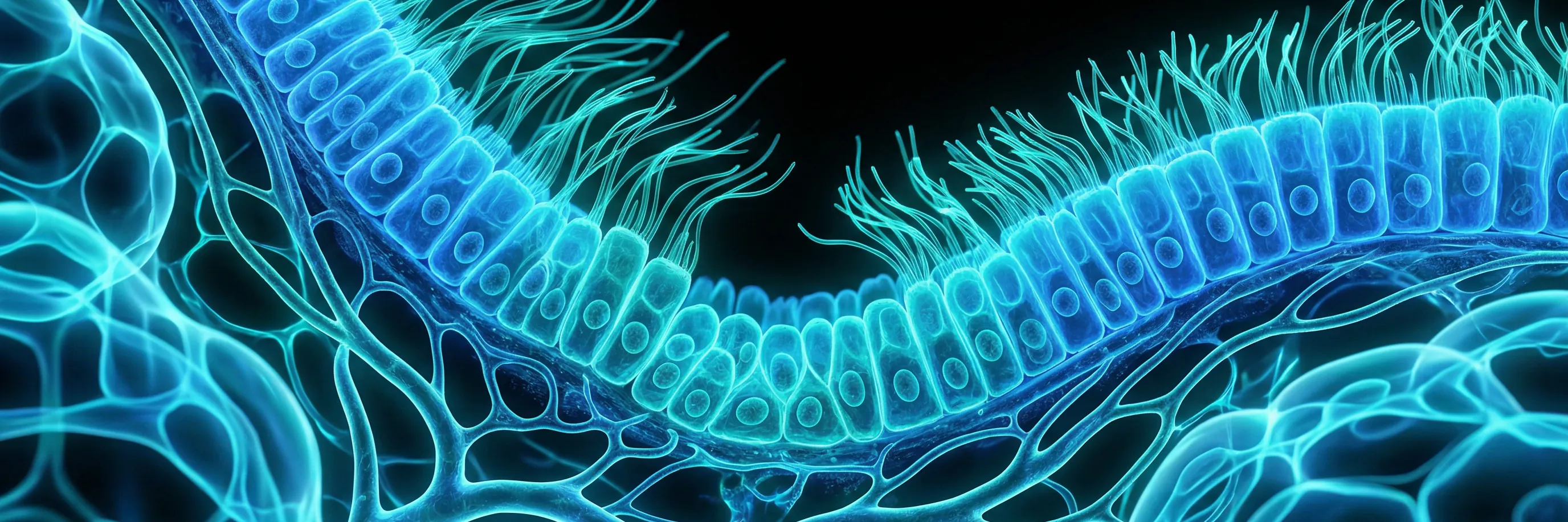
Vid timme 171 efter att du slutat röka (dag 8) har nikotinet rensat sig helt från din kropp. Neutrofilfunktionen normaliseras: Neutrofilernas kemotaxis och fagocytiska kapacitet, tidigare undertryckta av kronisk nikotinexponering, återgår till normala funktionsnivåer. Emotionsregleringen stabiliseras när prefrontala cortex återhämtar sig från nikotinreceptorstörning. Detta är ett normalt och dokumenterat stadium av rökstopp.
VAD SOM HÄNDER I DIN KROPP
Neutrofilernas kemotaxis och fagocytiska kapacitet, tidigare undertryckta av kronisk nikotinexponering, återgår till normala funktionsnivåer. Detta förbättrar förstlinjeimmunskyddet mot bakteriella patogener. Cigarettrök innehåller över 7 000 kemikalier — nikotinet är det som gör dig beroende, men förbränningsämnena (tjära, kolmonoxid, formaldehyd, bensen) är det som orsakar mest fysisk skada. När nikotinet försvinner, så gör även den konstanta exponeringen för dessa toxiner.
I detta ögonblick — "Neutrofilfunktionen normaliseras" — är din kropp helt nikotinfri och fokuserad på neurologisk och vävnadsåterhämtning.
Dag 8: vävnadsreparationen accelererar i flera organsystem. Dina lungor är de mest dramatiska: bronkrören har slappnat av, cilierna sopar aktivt tjäravlagringar från luftvägarna, och nya alveolärceller ersätter skadade. FEV1 visar mätbar förbättring. Din kardiovaskulära risk har minskat — artärstelhet minskar, trombocyternas klebrighet normaliseras. Din tandköttsvävnad får bättre blodflöde, och missfärgningen på dina tänder har slutat fortskrida.
HUR DU MÅR
Emotionsregleringen stabiliseras när prefrontala cortex återhämtar sig från nikotinreceptorstörning.
Tidig morgon är ett högriskfönster för före detta rökare. "Första cigaretten på dagen" var ofta den mest psykologiskt förstärkta av alla dagliga cigaretter — kopplad till uppvaknande, kaffe och övergången från sömn till vakenhet. Din hjärna letar efter den signalen just nu. Ersätt den med något fysiskt: sträck dig, stänk kallt vatten i ansiktet, gå ut för frisk luft.
För långtidsrökare kan identitetsskiftet kännas djupgående. "Jag är rökare" kan ha varit del av din självbild i årtionden — en social identitet, en stresshanteringsstrategi, ett sätt att ta pauser, en samtalsöppnare. Att släppa den identiteten betyder inte att sudda ut din historia. Det betyder att inse att personen du är nu har växt förbi vanan. Du ger inte upp något. Du lägger ner något som inte längre tjänar dig. Språket spelar roll: "Jag röker inte" är fundamentalt annorlunda än "Jag försöker sluta." Det ena är ett identitetsuttalande. Det andra är en kampskildringshistoria.
VAD DU SKA GÖRA JUST NU
Träna 4-7-8 andningstekniken under alla sugepisoder för att aktivera parasympatisk lugning.
Taktiskt fokus skiftar från krishantering till identitetsbyggande. Börja märka förbättringarna: din luktsinne är skarpare, mat smakar bättre, du ursäktar dig inte från samtal för att gå ut, dina kläder luktar inte rök, din bil luktar rent.
Ekonomisk medvetenhet hjälper: beräkna vad du sparat den senaste veckan. Om du rökte ett paket om dagen för 80-140 kronor per paket, har du sparat 560-980 kronor bara denna vecka. Omdirigera pengarna till något synligt — en burk, ett konto, ett köp du skjutit upp. Gör fördelen påtaglig.
VAD DU KAN FÖRVÄNTA DIG DENNA TIMME
Under dessa tidiga morgontimmar på dag 8 efter rökstoppet är abstinenssymptomen måttliga — märkbara men hanterbara. Din kropp är helt fri från nikotin — alla kvarvarande symptom är neurologisk anpassning, inte kemisk abstinens. Vändpunktsfasen (dag 8-10) är när många före detta rökare märker skiftet från lidande till återhämtning. Fysiska symptom avtar, och kroppens reparationsmekanismer är i full gång.
KROPPSFÖRÄNDRINGAR
Nikotinnivå: 0% — helt utrensad från blodomloppet. Din kropp uppnådde fullständig nikotinrening vid timme 72.
Nikotinacetylkolinreceptorernas nedreglering sker aktivt i din hjärna. Överskottet av receptorer som byggts upp under år av rökning beskärs tillbaka mot grundnivån hos icke-rökare.
Dina lungcilier — de små hårliknande strukturerna som förlamades av cigarettrök — regenereras och börjar sopa ut ackumulerad tjära och skräp från dina luftvägar. Det är därför du kanske hostar mer: det är ett tecken på läkning, inte skada.
VANLIGA SYMTOM IDAG
VANLIGA FRÅGOR
Är det normalt att känna sig så här 171 timmar efter att ha slutat röka?
Ja. Vid timme 171 (dag 8) är din kropp helt fri från nikotin och genomgår neurologisk anpassning. Symtomen du upplever — som är måttliga i detta skede — är en dokumenterad del av nikotinabstinens och de kommer att försvinna.
När börjar man känna sig bättre efter att ha slutat röka?
De flesta som slutar röka kallkalkon rapporterar en märkbar vändning mellan dag 8-10. Du är på dag 8 — mitt i det fönstret. Det värsta är bakom dig. Sug blir mindre frekventa (vanligtvis 1-2 per dag istället för dussintals), sömnen förbättras, och många rapporterar sin första dag av att känna sig genuint bra. Tidslinjen varierar mellan individer, men trenden är omiskännlig vid det här laget.
Få timme-för-timme-vägledning, push-notisbriefingar och ljudcoachning levererat till din telefon.